Nine first-marathon mistakes coaches see every single year, from training and nutrition to race-day pacing. Learn each one before your start line.
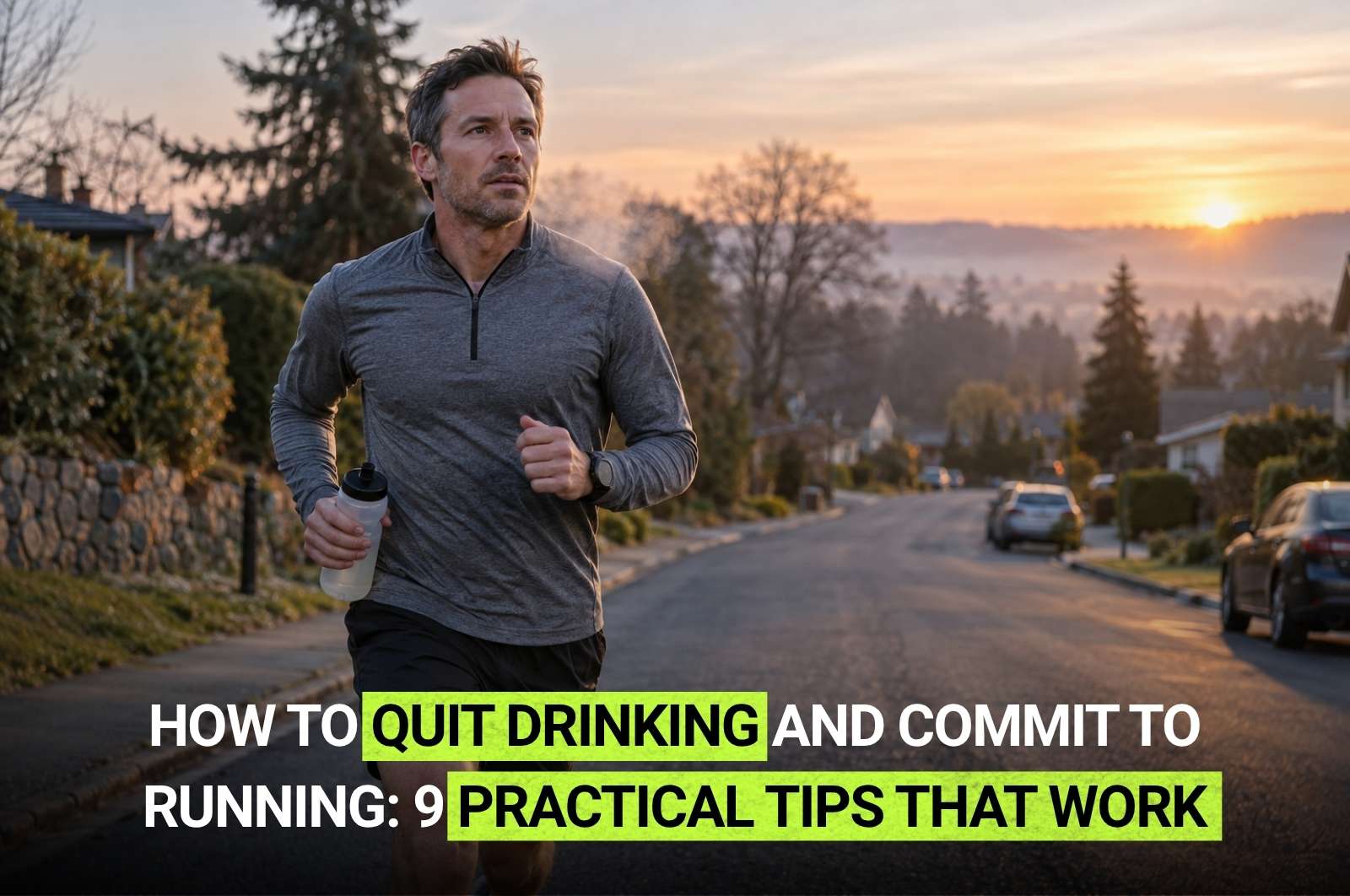
Alcohol cuts muscle protein synthesis by up to 37% and destroys recovery sleep. Here are nine practical tips for quitting or cutting back on drinking and building a running habit at the same time.
Long slow runs quietly wreck your form. Here is the cadence rule and the four other cues that keep your stride together and cut your injury risk.
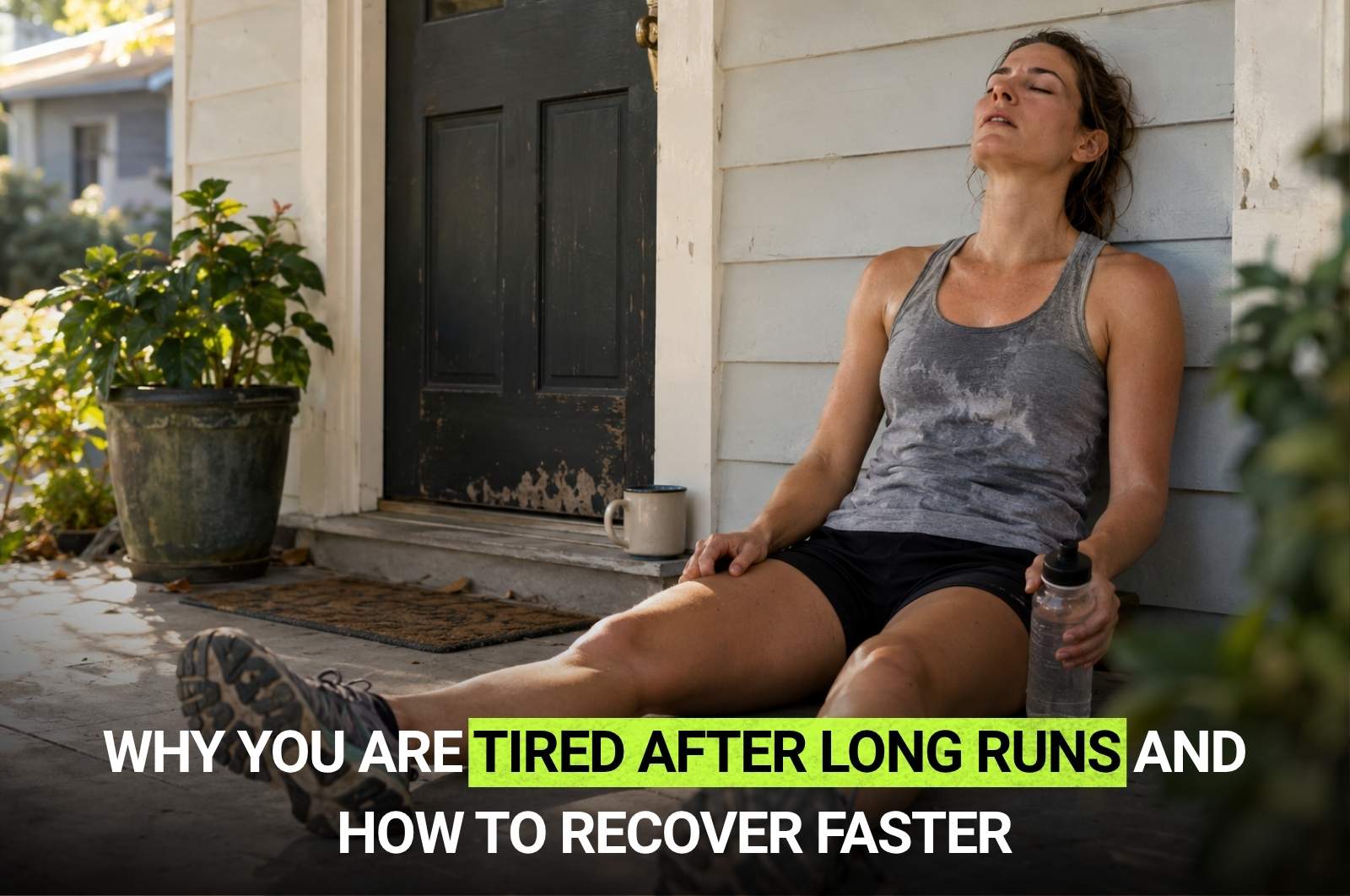
Long runs cause three specific kinds of damage that take days to repair. Here is what the science says about faster recovery for runners.
A 15-year study of 55,137 adults found that 10 minutes of easy running a day cut death risk by 30 percent. Here is why hard workouts are not the answer.
The right strength work makes you a faster, more durable runner. The wrong lifts eat into recovery without giving anything back.
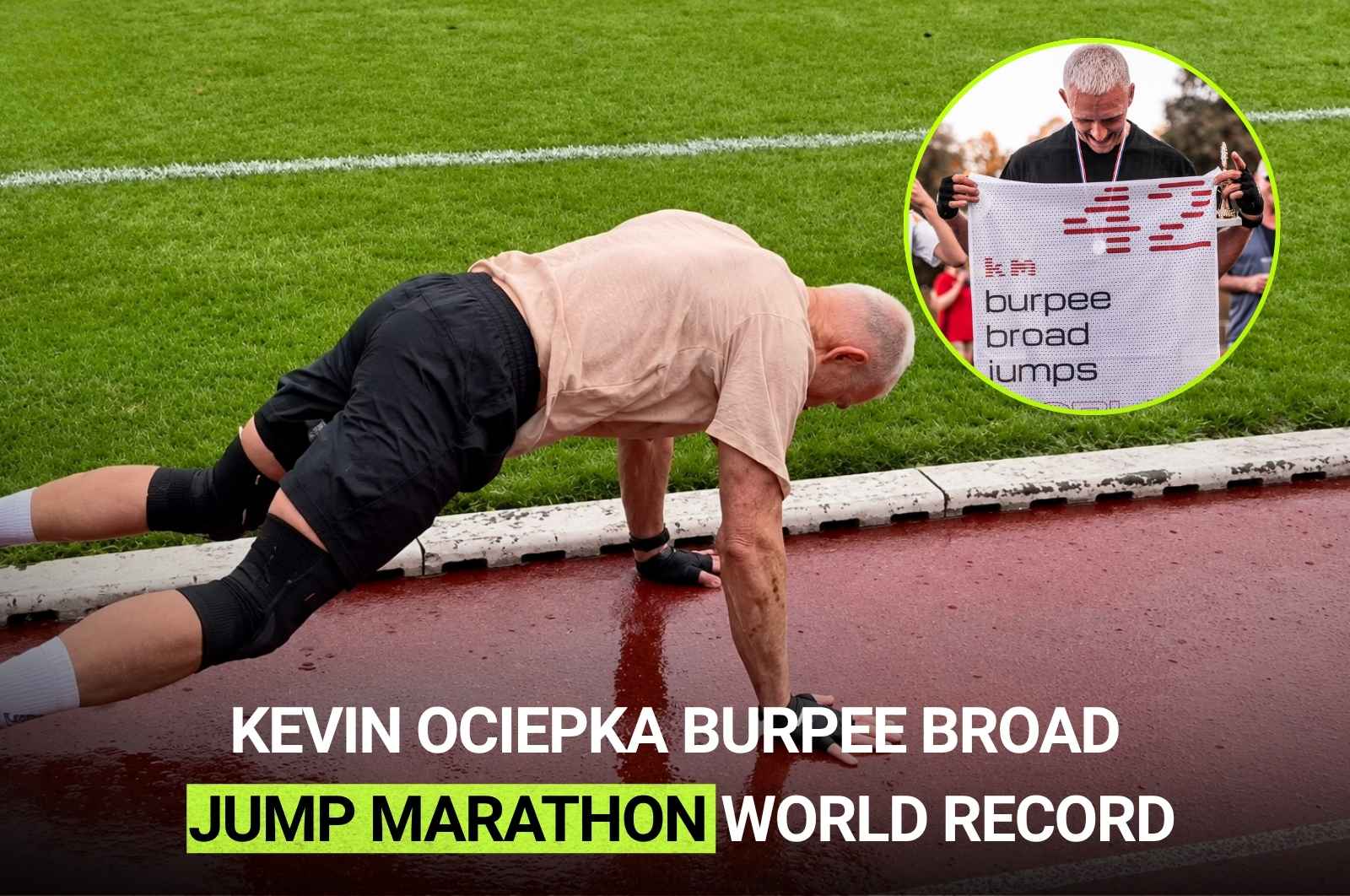
German HYROX athlete Kevin Ociepka covered a full marathon in burpee broad jumps in 155:44:51, cutting nearly a day off the previous mark. Here is what he actually did.
Here is what each zone actually trains, how to find yours without a lab test, and how much time to spend in each.
The calf strain that ends a runner’s season starts as a small grab. Here are the real causes, the treatment sequence that works, and what actually prevents a repeat.
Red Bull sent ultrarunner Tom Evans and double Olympic MTB champion Tom Pidcock up 7km of Yr Wyddfa. Once the trail turned steep, only one of them could stay on his feet.