The 10 Strength Exercises Top Coaches Want Every Runner Doing (And 3 They Should Skip)
The right strength work makes you a faster, more durable runner. The wrong lifts eat into recovery without giving anything back.

I dive deep into the training secrets of champions like Kilian Jornet, the Ingebrigtsen brothers, Courtney Dauwalter, Dean Karnazes, Des Linden, and Shalane Flanagan.

From smart periodization and strength training to mastering intensity control and learning to listen to your body, there's so much we can learn from these legends.
Kilian Jornet, one of the greatest trail runners ever, focuses heavily on periodizing his training.
Even when gearing up for peak season, 77% of his runs are still aerobic.
This shows that even during intense race preparation, building and maintaining an aerobic base is key.
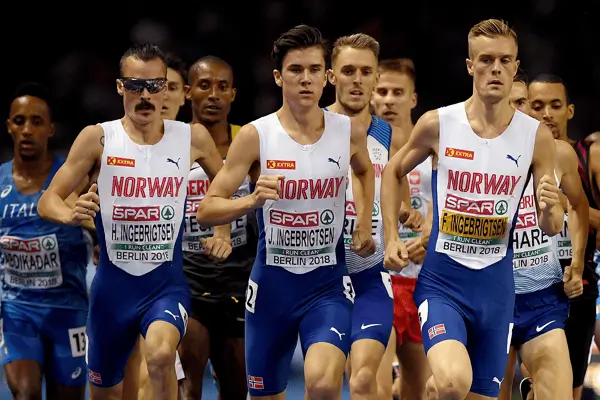
The Norwegian method has taken the running world by storm, thanks to the Ingebrigtsen brothers.
Their success lies not just in double lactate threshold sessions, but in controlling their training intensity with laser-like precision.
The takeaway? Train with purpose.
Whether you’re using heart rate, RPE, or power, stick to the plan and avoid pushing harder than needed.
Dean Karnazes has pushed the limits of human endurance, but even he learned the hard way about the importance of recovery.
His ability to keep going isn’t just due to his freakish physiology but smart recovery and overall strength.
He emphasizes how critical it is to let your muscles, tendons, and ligaments recover, allowing you to train harder and longer in the future.
Related: How To Recover Like A Pro Runner (You Can Too)
Des Linden’s gritty victory at the 2018 Boston Marathon wasn’t just about talent—it was her love for the daily grind.
She focuses not on the result but on winning each day, which ultimately built her unstoppable mental strength.
Her advice? Keep showing up, even on the tough days.
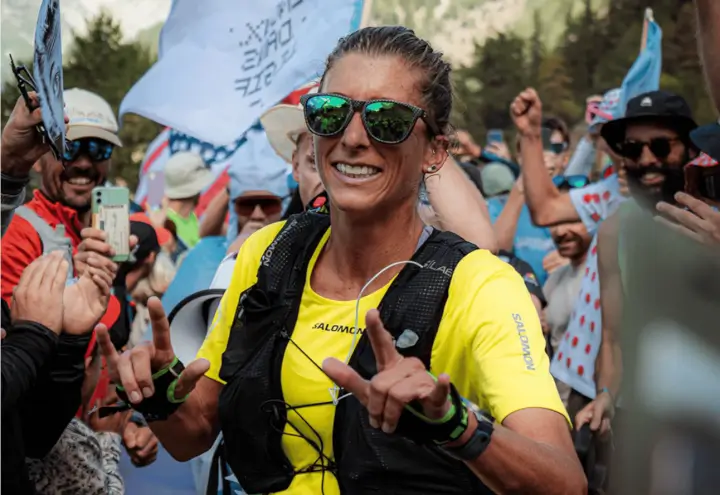
Courtney Dauwalter, an ultra-endurance legend, excels because of her adaptability.
While it’s tempting to stick rigidly to your training plan, Courtney believes in being flexible.
She adjusts her sessions based on how she feels each day, ensuring she’s always in tune with her body’s needs.
Shalane Flanagan’s win at the 2017 New York City Marathon was the result of not just physical preparation but a complete overhaul of her nutrition.
Early in her career, she struggled with stress fractures due to poor fueling.
Once she dialed in her nutrition, she finally reached her potential, showing the power of proper energy availability.
Related: Are You Eating Enough To Run Properly?
These top runners prove that success isn’t just about talent—it’s about smart training, listening to your body, and staying consistent.
That's it for today’s insights. Did you find this article helpful? Share the love and forward it along to your running friends!
Stay strong and keep pushing!
Start your running journey today!
No spam. Cancel anytime.