The Sudden Grab in Your Calf Mid-Run Is a Warning. Ignoring It Costs You Weeks.
The calf strain that ends a runner’s season starts as a small grab. Here are the real causes, the treatment sequence that works, and what actually prevents a repeat.

Taking a break from running is something we all face at one point or another. The real challenge? Getting back into the groove safely and effectively.

Taking a break from running is something we all face at one point or another.
Whether it was a pandemic, an injury, or just the need for a breather after a big race, life sometimes pulls us off the track.
The real challenge? Getting back into the groove safely and effectively.
Here’s how you can do it:
An "extended break" is different for everyone.
For seasoned runners, it might take months to notice a fitness drop. But for those newer to the sport, just a few weeks off can set you back significantly.
It’s not just about the time off, but how much fitness you've lost during that period.
Typically, after 7-14 days of inactivity, you’ll start to notice a decline in your aerobic fitness. The longer the break, the more fitness you lose—especially if you’re new to running.
But don’t worry, fitness loss is gradual, and you can regain it with the right approach.
Before diving back in, gauge your current fitness level. If you were following a training plan, adjust your mileage based on how long you've been off:
Step 2: Set a New Goal
What do you want to achieve?
Whether it's a short-term goal or something more ambitious, set your sights on what motivates you.
Write it down, and let’s get started.
It's crucial to manage your expectations. After a break, you won’t be as fast or as strong as before.
That’s okay! Be patient with yourself and understand that rebuilding takes time.
Embrace the process, and don’t rush it.
Big goals can be overwhelming. Break them down into smaller, manageable milestones.
Not only will this keep you motivated, but it also provides plenty of opportunities for rewarding yourself along the way.
Now that you have your goal and milestones, it’s time to create a plan. If you’re unsure how to do this, consider working with a running coach.
They can help you develop a customized plan that fits your needs and abilities.
If you’re interested in personalized coaching, check out this page for more details. I’m here to help you reach your goals, whether it’s your first 5K or your next marathon.
Now, it’s time to lace up and start running! Stick to your plan, but remember, consistency is key.
If you miss a run, don’t stress—just get back on track the next day.
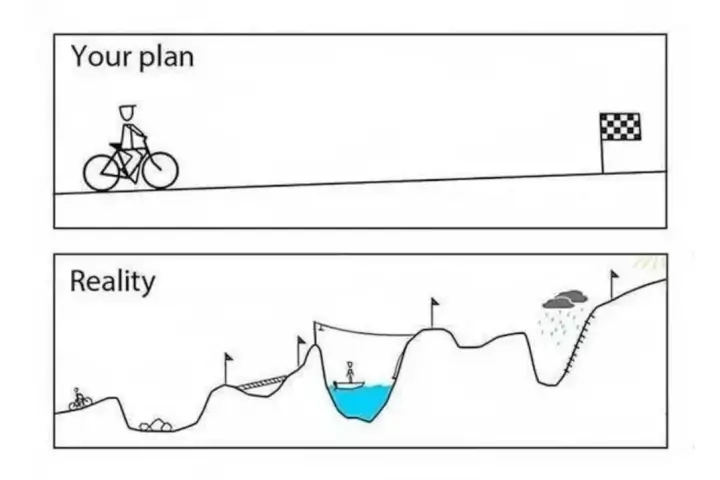
Don’t forget to celebrate your achievements, big or small.
Getting back to running after a break is no small feat, so reward yourself and recognize your progress.
That’s it! Thanks for being part of The Running Week community! Your support keeps this newsletter going.
If you found this issue helpful, please share it with a fellow runner who might need a little motivation.
Start your running journey today!
No spam. Cancel anytime.