Download our Free 8-Week Plan here →

Running with Your Dog: 8 Tips for an Enjoyable Experience

December 13, 2024
By

Today, I’m going beyond just human running buddies, let’s talk about running with your dog!

Today, I’m going beyond just human running buddies, let’s talk about running with your dog! Not only is it a great way to keep both you and your pup fit, but it’s also an amazing bonding experience.

However, before you hit the pavement or trails together, there are some things you need to know to keep the experience safe, fun, and enjoyable for you both.

8 Best Tips for Running with Your Dog

1. Pick the Right Pup for the Job

Not all dogs are natural runners. Breeds like Border Collies, Australian Shepherds, or Labs typically excel, thanks to their energy and endurance.

But every dog is different, consider your pup’s breed, age, and fitness level. Puppies and senior dogs often need gentler exercise routines.

2. Check in With the Vet

Before starting any running routine, schedule a vet check-up.

Your vet will make sure your dog is in tip-top shape for running and can advise on safe distances and speeds tailored to your furry friend's health and condition.

3. Gear Up for Comfort

Invest in a quality harness designed for running. Unlike collars, a harness reduces strain on your dog’s neck and promotes better mobility.

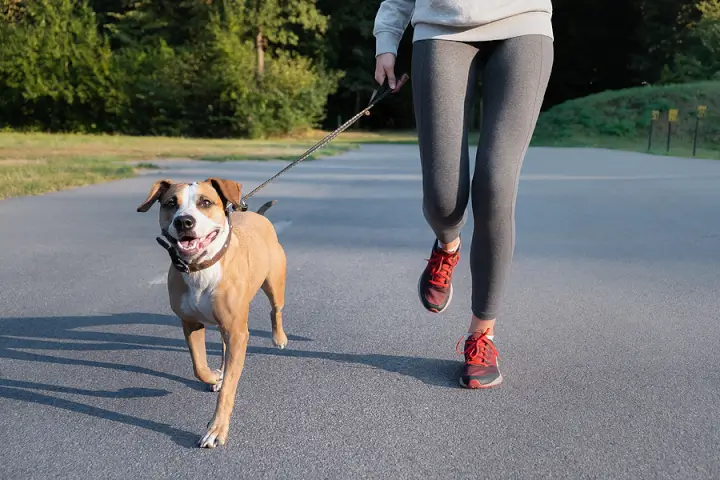
Additionally, consider a hands-free leash designed for running, providing both you and your dog with a comfortable experience.

4. Ease Into It

Your dog isn’t ready to sprint a 5K right out of the gate. Start with short, slow runs and build up endurance over time!

Pay attention to their energy and adjust as needed, if your dog looks tired, take a break.

5. Be Weather-Wise

Extreme weather can be tough on your pup. Hot asphalt can burn their paws, while icy conditions might chill them too much.

Opt for cooler parts of the day, run on grass or trails, and always bring water for you both.

6. Leash Up and Stay Polite

Image via unknown

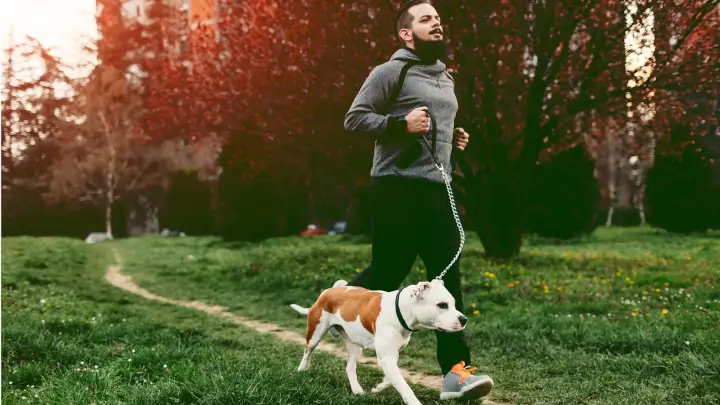
Stick to trails or paths where dogs are welcome and keep your dog leashed to respect other runners and walkers.

Basic commands like “stay” are essential for a safe and stress-free run.

7. Watch for Warning Signs

Keep an eye out for fatigue, limping, or excessive panting during your run.

Afterward, check their paws for any cuts and give their coat a quick inspection for ticks, especially after trail runs.

8. Make Running Fun!

Running with your dog should feel like an adventure! Let them sniff around during breaks, or bring a favorite toy to play with afterward.

Mixing fun into your routine helps reinforce positive associations with running.

Conclusion

Running with your dog isn’t just a workout, it’s a shared experience that strengthens your bond while keeping you both fit!

By keeping your pup’s safety and well-being front and center, every run can be a new adventure.

So grab that leash, lace up your shoes, and hit the trails together.

Happy running!

You Might Also Like

How to Make a Running Comeback After Taking Time Off

Ease back into running after a break with a simple 4-week reset: cut volume by 50%, start with 2 short runs weekly, ignore pace, use run-walk, add light strength, and build consistency before distance.

How to Run Without Getting Tired: 11 Practical Tips

Build endurance the smart way with 11 practical strategies: slow your pace, follow a plan, fuel and hydrate well, add cross-training and strength work, refine form, use warm-ups and intervals, and train your mind so longer runs feel easier and fatigue stays manageable.

Why Am I Struggling With Running?

Feeling bad at running is usually not about talent. It’s about fixable habits like skipping warm-ups, starting too fast, running too редко, avoiding hard sessions, neglecting strength and recovery, and judging yourself too harshly.

How to Lower Your Running Heart Rate: 5 Practical Tips for Beginners

This guide explains how slowing down, using run-walk intervals, building an aerobic base, improving recovery, and boosting efficiency can lower effort over time.

How to Build a Running Habit That Fits a Busy Schedule

Build a running habit that survives real life: small, repeatable runs (even 10 minutes) beat motivation every time.

Coaches Say Runners Need 4 Different Types of Long Runs for Better Training

Stop repeating the same long run every week. Coaches recommend rotating four long-run styles distance-focused, pace-based, social, and journey runs to build endurance, mimic race demands, and reduce burnout risk.