9 Rookie Mistakes That Ruin First Marathons (And How to Avoid Them)
Nine first-marathon mistakes coaches see every single year, from training and nutrition to race-day pacing. Learn each one before your start line.

If you're here, most likely you're looking to improve your 5K time. And who wouldn't? Today, I want to share with you some valuable tips that can help you shave off a couple of minutes from your 5K PB.

In your preparation for your peak 5K race, it's beneficial to include races that are shorter and longer than the 5K distance. Racing shorter distances, such as a 3K or even organizing a time trial, can help improve your speed, here you can find a free 6-weeks training plan to improve your mile time.
Additionally, participating in road races like a 10K or 10-mile event enhances your endurance. By training for both shorter and longer distances, the 5K will feel more manageable, allowing you to give it that extra burst of energy needed to crush your personal best.
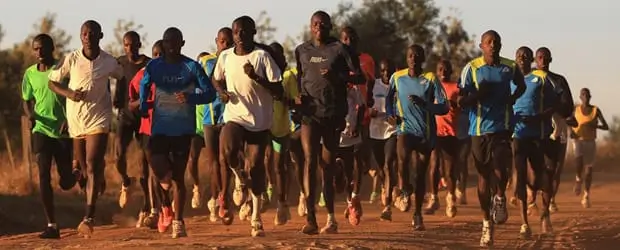
While it may be convenient to run alone, training with faster runners can have a significant impact on your progress.
Surrounding yourself with quicker runners allows you to adapt to their pace and learn from their techniques. However, remember to strike a balance and don't overexert yourself.
Mix your runs, including sessions with faster runners and others at your own pace. By immersing yourself in a faster running environment, you'll naturally be inclined to push yourself and become faster as a result.
Changing the terrain on which you train can have a profound impact on your 5K performance. While road running is essential, incorporating softer surfaces like grass, trails, or tracks can benefit your overall running mechanics and reduce the risk of injury.
Running on grass, for example, engages smaller muscles in your legs that are typically underutilized on harder surfaces.
By alternating between different terrains, you'll strengthen various muscle groups, allowing you to run faster and with reduced impact.
Recovery is just as important as the running itself.
Embrace a comprehensive recovery approach that extends beyond a few minutes of using a massage gun. Aim for quality sleep of 8 to 10 hours each night and make every second of your day count.
Utilize recovery tools like foam roller and seeking professional help when needed. Focus on proper nutrition, ensuring you consume enough protein, carbs, and essential nutrients.
You can buy a foam roller on Amazon for just 20$.
Don't forget to rest and elevate your legs whenever possible. By giving recovery the attention it deserves, you'll maximize the benefits of your hard training sessions.
By racing shorter and longer distances, training with faster runners, varying your terrain, and prioritizing recovery, you'll enhance your 5K performance and be ready to achieve a new personal best. Implement these tips into your routine, and best of luck with your upcoming 5K! Share your progress and experiences with us — let's support each other on this journey to faster times!
Start your running journey today!
No spam. Cancel anytime.