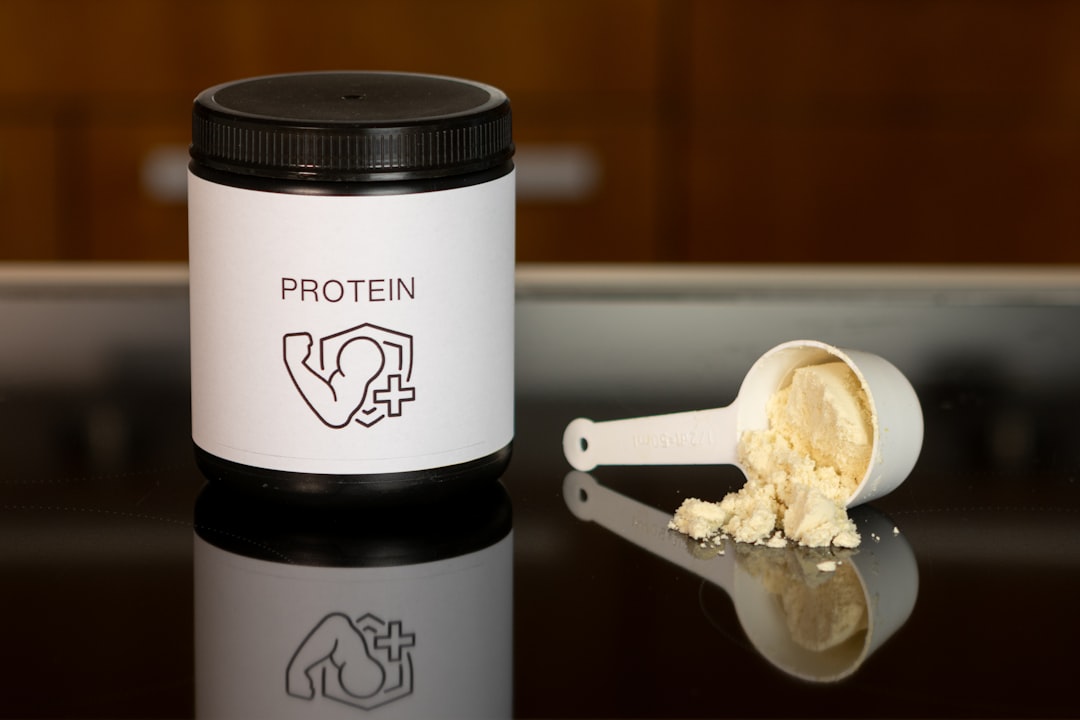
Are Protein Supplements Really Necessary for Distance Runners?
Protein is important for distance runners, but protein supplements are not a must-have.

From "healthy" high-fiber snacks to the hidden dangers in your favorite energy bar, the wrong food can turn an easy jog into a digestive nightmare.

Every runner knows the feeling.
You are a mile or two into your workout, finding your rhythm, when suddenly your stomach sends a distress signal.
It starts as a quiet gurgle and quickly escalates into cramping, nausea, or an urgent need to find a restroom
It is the runner's worst nightmare, and more often than not, it is entirely preventable.
We spend a lot of time talking about carb-loading, hydration strategies, and the perfect post-run protein shake.
However, we often neglect the equally important topic of what not to eat. Your digestive system works differently when you are running compared to when you are resting.
Blood flow is diverted away from your stomach to fuel your working muscles, which means digestion slows down significantly. If you have the wrong food sitting in your gut, it is going to cause problems.
To keep your training on track and your stomach happy, you need to be strategic about what you avoid.
Here is a comprehensive look at the foods that have no place in your pre-run routine.
Fiber is undeniably good for you. It regulates blood sugar, lowers cholesterol, and keeps your digestive system healthy.
But in the hour or two before a run, fiber is arguably your biggest enemy.
Fiber is difficult for the body to break down.
Because it sits in the stomach longer than simple carbohydrates, it can lead to significant bloating and gas once you start bouncing up and down on the pavement.
Whole grains, while generally healthy, can feel like a brick in your stomach during a run.
You should specifically avoid heavy servings of oatmeal (unless you have plenty of time to digest), high-fiber cereals, and whole-wheat bread immediately before heading out.
Vegetables are also major culprits.
While a salad is a great lunch option, eating a bowl of leafy greens or raw vegetables right before a workout is asking for trouble.
The roughage requires active digestion, which your body cannot support efficiently while you are running.
Save the fiber for your post-run recovery meal when your body can handle it properly.
Building on the fiber issue, there is a specific category of vegetables that deserves its own warning label: cruciferous vegetables.
This family includes broccoli, cauliflower, Brussels sprouts, and cabbage.
These foods contain a complex sugar called raffinose. Humans lack the enzyme to break down raffinose in the small intestine, so it passes into the large intestine where bacteria ferment it.
This process produces gas. When you combine gas production with the jostling motion of running, you get severe bloating and painful cramping.
Even if you have an "iron stomach," the unique chemical composition of these vegetables makes them highly risky pre-run fuel.
If you are planning an evening run, make sure your lunch didn't consist of a massive kale salad or roasted Brussels sprouts.
Give your body at least four to five hours to process these foods before you try to hit your pace.

Fat is a crucial fuel source for long-distance runners, but it is a terrible choice for immediate pre-run energy.
Fat delays gastric emptying. This means that it keeps food in your stomach for a much longer period than carbohydrates or protein.
If you eat a meal high in saturated or unhealthy fats like a burger, bacon, or greasy pizza that food will likely still be sitting in your stomach when you start running. This creates a heavy, sluggish feeling that makes running feel harder than it actually is.
It can also lead to severe heartburn and reflux as the stomach acid churns with the undigested food.
Even "healthy fats" should be consumed with caution. Avocado toast or a handful of nuts might seem like a smart, clean snack, but if eaten too close to your run, they can cause the same heavy sensation.
Stick to low-fat options within the two-hour window before your workout to ensure your stomach is relatively empty and ready to work.
This might seem obvious to some, but it bears repeating: spicy food is a gamble you usually lose.
Capsaicin, the compound that gives chili peppers their heat, can irritate the lining of the stomach and intestines.
Running speeds up GI transit time on its own.
When you add an irritant like spicy food to the mix, you are accelerating that process even further.
This is a primary cause of the "runner's trots." The irritation can lead to loose stools and an urgent need to defecate mid-run.
Furthermore, spicy foods are a leading cause of heartburn.
As you run, the sphincter between the esophagus and the stomach relaxes slightly, and the bouncing motion allows acid to escape upward. If your stomach is already irritated by spicy food, that acid reflux will be much more painful.
If you love spicy curry or hot salsa, enjoy it on a rest day or well after your run is finished.
Many runners rely on sugar for quick energy, and rightly so. Simple carbs are the body's preferred fuel source during intense exercise. However, the type and timing of sugar matter immensely.
Consuming foods or drinks with very high refined sugar content like candy bars, soda, or even some fruit juices can lead to a spike in blood sugar followed by a rapid crash. This is known as reactive hypoglycemia.
You might feel a burst of energy for fifteen minutes, but suddenly you will feel weak, dizzy, and lethargic.
Beware of "healthy" fruit smoothies.
While fruit is natural, a smoothie often concentrates the sugar of five or six pieces of fruit into one drink without the fiber to slow absorption (if the fiber has been pulverized or removed).
This can cause a massive insulin spike.
Instead of candy or sugary drinks, opt for complex carbs like a banana or a piece of toast, which provide a more steady release of energy without the dramatic crash.
Dairy is a tricky category because it affects everyone differently.
However, a large percentage of the population has some degree of difficulty digesting lactose, the sugar found in milk
Even if you are not fully lactose intolerant, running can induce symptoms that you might not experience at rest.
The stress on the digestive system can make mild sensitivities severe. Milk, cheese, and heavy cream can curdle in the stomach and cause nausea, cramping, and bloating.
Yogurt is often touted as a good pre-run snack, and for some, it is. But for others, it is a disaster waiting to happen.
If you are unsure how dairy affects you, it is best to avoid it completely before a run.
Hard cheeses are generally lower in lactose, but they are also high in fat, making them a poor choice for the reasons mentioned earlier.
If you need a liquid base for a pre-run shake, consider almond milk, oat milk, or water to play it safe.

Hydration is key, but carbonated beverages should be strictly off-limits before you run. This includes soda, sparkling water, and beer.
The carbonation in these drinks is literally gas.
When you drink them, you are swallowing air bubbles that get trapped in your digestive tract. This leads to an uncomfortable sensation of fullness and bloating.
As you run, that gas expands and moves around, causing sharp pains in your side, often referred to as stitches.
Stick to plain water or flat electrolyte drinks. If you are addicted to sparkling water, ensure you stop drinking it at least an hour before you head out to give the gas time to dissipate.
There is nothing worse than cutting a run short because you feel like an inflated balloon.
In an effort to cut calories, many runners turn to "diet" or "sugar-free" foods.
These products often contain sugar alcohols like sorbitol, mannitol, and xylitol. You will find these in sugar-free gum, diet sodas, and surprisingly, in many "low-carb" protein bars.
Your body cannot fully absorb sugar alcohols.
They pass through the small intestine largely intact and attract water into the gut. Once they reach the large intestine, bacteria ferment them, producing gas and causing bloating.
The drawing of water into the intestine can also lead to diarrhea.
Check the labels on your protein bars and sports nutrition products carefully.
If you see ingredients ending in "-ol," it is a sugar alcohol. While they might save you a few calories, the digestive distress they cause during a run is simply not worth it.
Stick to real sugar or natural sweeteners like honey or maple syrup for your pre-run fuel.
Protein is essential for muscle repair, but it is not a primary fuel source for running.
Your body wants carbohydrates for energy. Eating a high-protein bar or shake right before a run puts a heavy load on your stomach.
Protein is difficult to digest. Like fat and fiber, it slows down gastric emptying.
A stomach full of protein requires a lot of energy to break down energy that should be going to your legs. This can leave you feeling sluggish and heavy.
Furthermore, many protein bars are highly processed.
They are often packed with the sugar alcohols mentioned above, as well as inulin (chicory root fiber), which is notorious for causing gas. Save the high-protein intake for the 30-minute window after your run.
This is when your muscles are screaming for amino acids to begin the repair process. Before the run, keep protein intake moderate to low.
Knowing what to avoid is only half the battle; knowing when to stop eating is the other half. Even the "perfect" pre-run meal can cause issues if you eat it five minutes before sprinting.
The Golden Rule is the 2-hour window.
For a full meal, you generally want to finish eating three to four hours before a hard run. for a smaller snack, one to two hours is usually sufficient.
If you must eat closer to your run for example, if you run first thing in the morning you need to choose foods that digest very rapidly.
A small banana or a slice of white toast is usually safe 30 minutes before. But absolutely avoid the foods listed in this article during that sensitive window.
Finally, it is important to remember that every runner is unique. You might have a friend who can eat a pepperoni pizza and run a marathon, while you get cramps from a single apple.
Experimentation is key during training.
Never try a new food on race day. Use your training runs to test what works and what doesn't. Keep a food log.
If you have a bad run where you felt sluggish or had GI issues, look back at what you ate in the 12 hours prior. You will likely find one of the culprits listed above.
Your nutrition strategy should be as disciplined as your running schedule. By eliminating these high-risk foods from your pre-run routine, you remove the variables that cause discomfort.
This allows you to focus entirely on your form, your breathing, and the joy of the run itself. Fuel smart, run hard, and trust your gut literally.
Start your running journey today!
No spam. Cancel anytime.