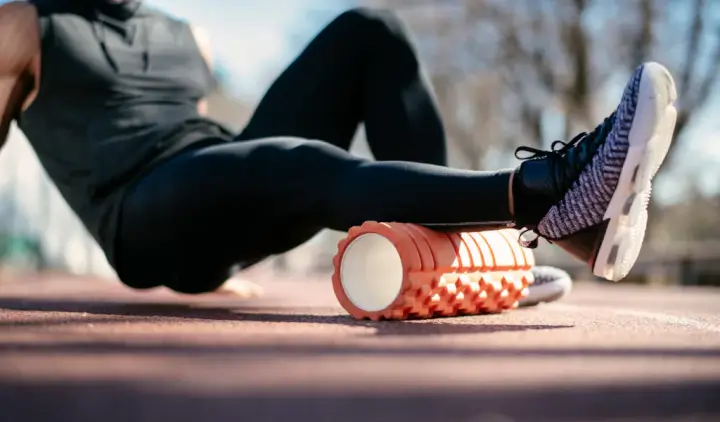
Foam rolling, also known as self-myofascial release, targets the muscle fascia (the connective tissue surrounding muscles) to relieve tension and enhance recovery. Research highlights several benefits of foam rolling for runners:
Reduces Muscle Soreness: Foam rolling decreases post-exercise muscle soreness by reducing neural excitability and alleviating stiffness.
Improves Range of Motion: Rolling can enhance mobility both immediately and over the long term.
Enhances Recovery: By reducing neural inhibition caused by muscle damage, foam rolling promotes quicker recovery after hard runs or workouts.
Boosts Circulation: Regular foam rolling may improve blood flow and even lower blood pressure.
Increases Elastic Energy Storage: Less stiff muscles can store and release energy more efficiently, potentially improving running performance.
Which Muscles Should Runners Foam Roll?
Runners should focus on major muscle groups used during running, avoiding sensitive areas like the abdomen and cervical spine. Key areas to target include:
Quadriceps
Hamstrings
Calves
Glutes
Hip stabilizers (e.g., tensor fascia latae, psoas)
Upper back and thorax (rhomboids, lats)
Bottoms of the feet (plantar fascia)
Recommended Tools:
Large Foam Roller: Ideal for quads, hamstrings, and calves.
Lacrosse Ball or Small Massage Ball: Perfect for smaller areas like the gluteus medius, iliopsoas, and plantar fascia.
How to Foam Roll Effectively
Start Gently Begin with light pressure and slow passes. Gradually increase pressure if it feels comfortable.
Roll with Muscle Fiber Direction Move in the same direction as the muscle fibers (e.g., up and down for quads).
Target Tight Spots If you find a tight or tender spot, spend 10-20 seconds rolling gently over that area.
Time It Right Roll each muscle group for 30-60 seconds, but no more than 2 minutes per area.
Avoid Direct Pressure on Bones or Joints Do not roll directly over bones, joints, or your spine unless instructed by a professional.
Mistakes to Avoid
Foam Rolling Too Aggressively Foam rolling should not cause pain or bruising. Excessive pressure can worsen soreness or lead to tissue damage.
Neglecting a Pre-Run Roll Foam rolling isn’t just for recovery—it’s also a great warm-up tool. Light rolling can reduce stiffness, enhance mobility, and lower the risk of muscle strains during exercise.
Rolling an Active Injury Never foam roll a fresh injury, especially within the first 72 hours. Rolling can exacerbate inflammation or damage.
Rolling the IT Band The IT band is connective tissue, not muscle. Instead, focus on surrounding muscles like the tensor fascia latae and quads.
When Not to Foam Roll
Avoid foam rolling if you:
Are on blood thinners or have a blood disorder.
Have peripheral neuropathy or other nerve damage.
Have osteoporosis.
Are recovering from a suspected stress fracture or acute injury.
If in doubt, consult with a medical professional or physical therapist before foam rolling.
Foam Rolling Before and After Runs
Pre-Run Foam Rolling
Foam rolling can be an effective addition to your warm-up routine. Use gentle pressure and shorter durations (20-30 seconds per muscle group). Focus on areas prone to tightness, like calves and quads.
Post-Run Foam Rolling
After a run, foam rolling aids recovery by alleviating soreness and improving circulation. Spend 30-60 seconds on each major muscle group, focusing on any areas that feel tight or tender.
Foam Rolling Routine for Runners
Here’s a simple 10-minute foam rolling routine you can incorporate into your training:
Quads: Roll from the top of the thigh to just above the knee.
Hamstrings: Roll from the bottom of the glutes to the back of the knee.
Calves: Roll from the ankle to just below the knee.
Glutes: Sit on the roller and focus on each glute, using a ball for deeper pressure if needed.
Hip Stabilizers: Roll the sides of your hips, focusing on the tensor fascia latae.
Upper Back: Roll the area between your shoulder blades, avoiding the spine.
Feet: Use a small ball to roll under each foot, targeting the arches.
Final Thoughts
Foam rolling is a simple, cost-effective tool that complements your running routine. By dedicating just ten minutes a day, you can reduce muscle soreness, improve mobility, and enhance recovery.
Remember, foam rolling is not a replacement for proper nutrition, hydration, and rest, but it can make a noticeable difference in how your body feels and performs.
Keep it gentle, consistent, and targeted, and enjoy the benefits it brings to your running.