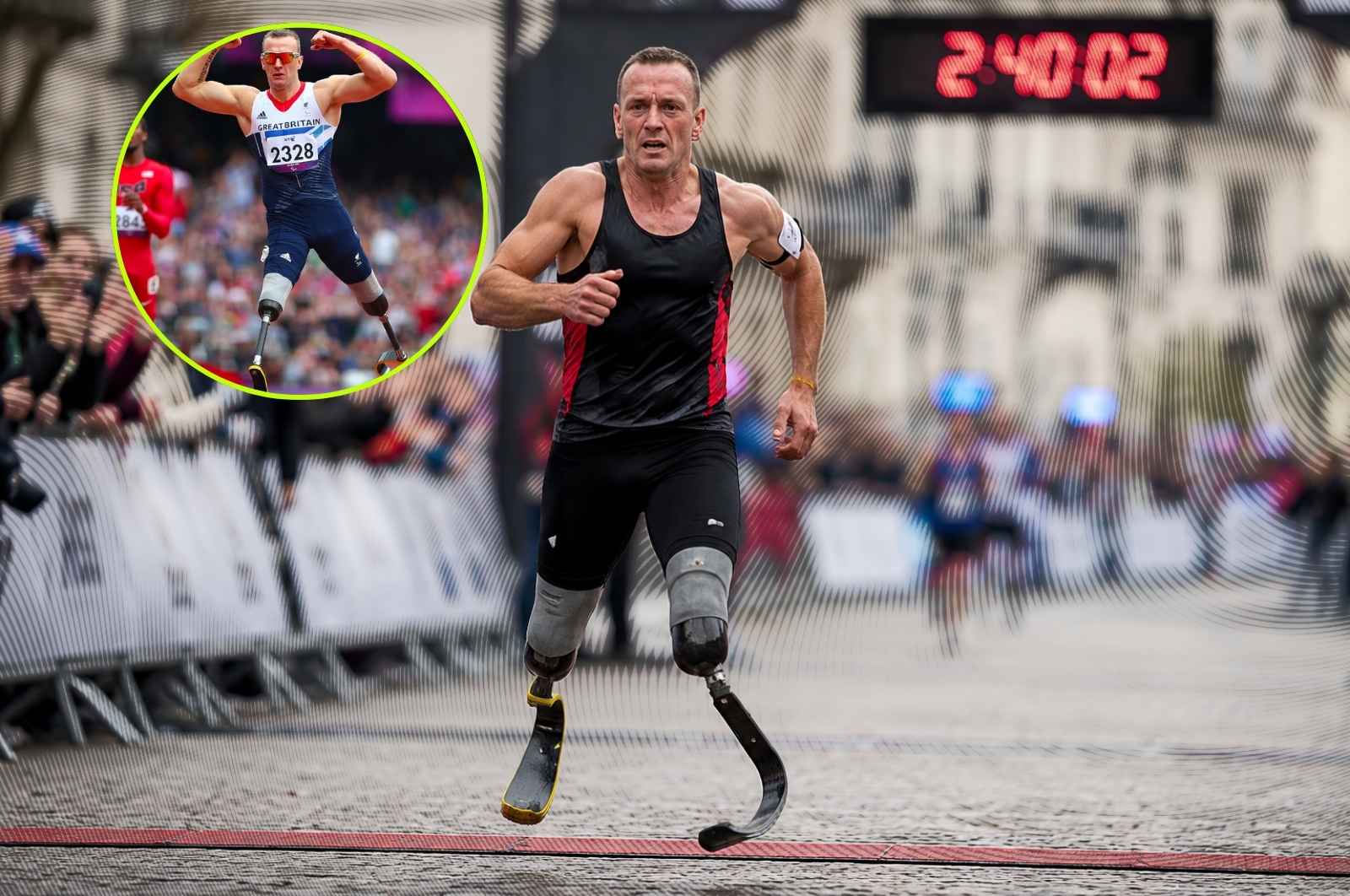
Ready to move from 13.1 to 26.2? This guide shows how to train smarter for a marathon with the right pacing, fueling, long runs, and mindset.
Paavo Nurmi’s simple walk-and-sprint routine blends low-impact endurance with short, controlled speed bursts. Learn how this early form of polarized training can help you run a faster 10K, recover better, and reduce injury risk.
Learn how to spot (and fix) the most common running form mistakes head position and arm swing to overstriding and heavy foot strikes so you waste less energy, run smoother, and lower your injury risk.
Fatigue doesn’t just hit your legs it often starts in your torso. Learn how a tiring run changes pelvic and upper-body control, why it ruins efficiency and breathing, and the simple strength drills that help you hold pace longer.
Manuela Vilaseca’s 200-mile wins prove ultra success isn’t only about massive weekly mileage. With a deep aerobic base, smart cross-training, training by time, and moderated long runs, you can build durable endurance without constant mileage spikes.
Avoid the biggest beginner running mistakes—like progressing too fast, skipping warmups, neglecting recovery, and training without a plan. Learn simple, sustainable fixes that make running feel easier, safer, and far more consistent.
Long runs should leave you tired, not wrecked. Learn the difference between productive fatigue and overreaching, and fix the biggest culprits fast pace, rapid mileage jumps, missed rest, poor fueling, and heat.
Build a running habit that survives low-motivation days: define a personal why, use simple mental cues, reduce friction with routines, add enjoyment and small rewards, and accept motivation will naturally rise and fall.
Spring makes 42.2 kilometers feel tempting, but your body tells a deeper story. From cardiac drift and muscle micro-tears to overheating, fuel shifts, and the dreaded wall, this is what a marathon really does to you.
Improve your running form without copying anyone: use the simple STAR cues (shoulders, tall posture, arms, relax) to run smoother, waste less energy, and cut injury risk.