Why Weak Glutes Can Put Extra Pressure on Your Lower Back During Workouts
Strong glutes are important for preventing lower back pain during workouts, but they require targeted activation to wake up.

A strong core is one of the most overlooked tools in running performance. Discover why simple, equipment free core exercises can improve stability, efficiency, and injury resistance on any terrain.

Most runners already know they should be doing strength work… yet many avoid it.
In the running community, I often compare core training to flossing: everyone understands its value, but many skip it until something goes wrong.
You keep telling yourself that running alone is enough, and then much like sitting in the dentist’s chair reality catches up.
This time, swap dental hygiene with core strength.
Sound familiar?
When it comes to running, a strong core is one of the most underrated performance boosters.
Your core includes more than just abs it also covers your hips, glutes, obliques, and lower back. Improving this entire area can help prevent injuries, enhance running efficiency, support better posture, delay fatigue, and improve balance and stability on uneven terrain.
The best part? You do not need equipment or a gym.
These simple bodyweight exercises can be done anywhere and benefit runners of every level.
Below are 5 essential core exercises that every runner should include in their routine.
(Reminder: Consult a medical professional before starting any new exercise program. Perform these movements at your own risk.)
This is one of the best exercises for teaching proper core engagement.
Crunches and long planks mean little if you aren’t stabilizing your trunk correctly. The dead bug targets the deep abdominal layer, improves motor control, challenges the hip flexors, and even recruits the diaphragm and pelvic floor.
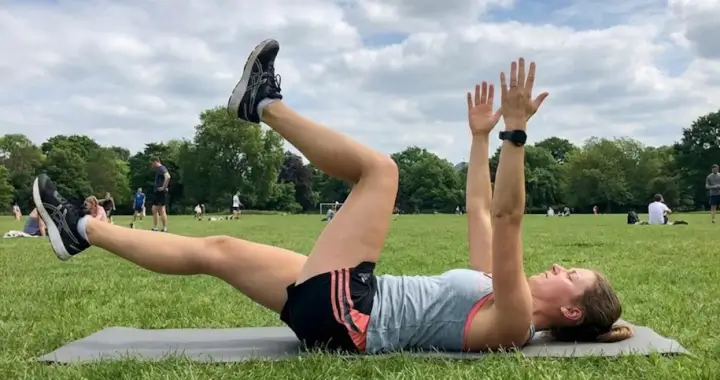
How to do it:
Bird dogs strengthen the abs, glutes, and spinal stabilizers while improving balance exactly what runners need on technical terrain.

How to do it:
Strong glutes are essential for powering uphill climbs and protecting your lower back. The glute bridge activates the posterior chain while reinforcing hip stability.

How to do it:
This dynamic exercise strengthens the core while elevating the heart rate, making it useful for runners who want both conditioning and stability work.

How to do it:
A strong lower back is crucial for maintaining upright running posture, especially late in long efforts. The superman hold targets the posterior chain.
How to do it:
Discover the authentic training methods of Kenyan runners and start improving your running faster than you ever thought possible.
Learn More About The Method →Limited-time reader discount available
Core strength is one of the simplest yet most impactful ways to elevate your running performance.
It supports better posture, enhances efficiency, reduces injury risk, and gives you the stability needed to stay upright on unpredictable terrain.
Short sessions just a few times per week can make a noticeable difference.
Start your running journey today!
No spam. Cancel anytime.