
The Post-Marathon Crash Nobody Warns You About
You cross the line. You get the medal. You eat something greasy. You sleep for ten hours. And by Wednesday, you feel like the floor dropped out.
Meet the 99-year-old woman quietly rewriting what aging “should” look like by sticking to simple strength training, daily walking, and mobility work that keeps her strong, steady, and fiercely independent.

When people talk about aging and fitness, the conversation often carries a quiet assumption that physical activity naturally fades with time.
Many expect that workouts become lighter, slower, or disappear entirely as the decades pass.
Yet every once in a while, a story appears that challenges this belief completely.
One such example is a 99 year old woman whose regular fitness routine has attracted attention for a simple reason. She is still exercising consistently and living an active life.
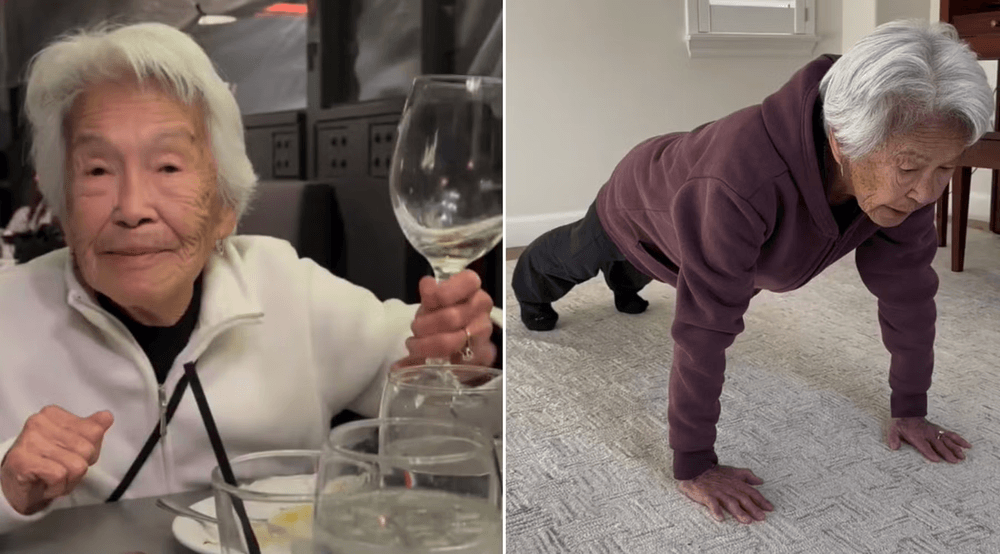
Her story is not about extreme athletic achievements or dramatic training programs. Instead, it highlights something far more powerful.
It shows what happens when movement becomes a lifelong habit rather than a temporary goal.
Her routine is built around basic exercises that support strength, balance, and mobility. These elements form the foundation of physical independence, especially later in life.
At first glance, the routine itself may seem surprisingly ordinary. There are no complicated machines or high intensity challenges.
But that simplicity is exactly what makes it sustainable. The exercises focus on keeping the body strong and functional rather than pushing it to extremes.
One of the most important elements of her routine is strength training. Even at 99 years old, she still performs exercises designed to maintain muscle strength.
These include movements such as squats, leg exercises, planking, and light resistance work.
For many people, strength training is often associated with younger athletes or gym culture. But research increasingly shows that resistance exercises are beneficial at every age.
They support joint stability, improve bone density, and help maintain healthy metabolism.
In older adults, strength training can also improve posture and balance, which significantly reduces the likelihood of injuries.
Another core part of her routine is walking. While strength training provides muscle support, walking helps maintain cardiovascular health and endurance.
It also keeps joints mobile and encourages regular movement throughout the day.
Walking is one of the most accessible forms of exercise. It requires no special equipment and can be easily integrated into everyday life. For older adults, walking provides a gentle but effective way to maintain circulation and support heart health.
Rather than relying solely on scheduled workouts, she stays active during daily routines.
This type of activity is often referred to as everyday movement or non exercise physical activity.
It includes simple actions such as walking to nearby places, climbing stairs, or staying mobile throughout the day.
Studies suggest that these everyday movements contribute significantly to overall health.
They help regulate blood sugar levels, support cardiovascular function, and prevent the long periods of inactivity that can negatively affect the body.
Mobility work is another important part of her routine. Stretching and gentle flexibility exercises help maintain a full range of motion in the joints.
This allows the body to move comfortably and reduces stiffness that can develop with age.
Flexibility training also supports posture and coordination. As people grow older, maintaining balance becomes increasingly important. Exercises that improve flexibility can reduce the risk of falls by allowing joints to move more freely and muscles to respond more quickly.
Mobility routines often involve simple stretching movements, controlled joint rotations, or light balance exercises.
These activities may appear small compared to more intense workouts, but they play a crucial role in long term physical health.
Perhaps the most remarkable aspect of her fitness routine is not the exercises themselves but the consistency behind them. She has treated movement as a normal part of daily life for decades.
This long term consistency allows the body to adapt gradually.
Muscles remain active, bones stay stronger, and the cardiovascular system continues to function efficiently.
Over time, these small daily habits accumulate into significant health benefits.
Many people approach fitness with short term goals. They might exercise intensely for a few weeks or months before losing motivation. In contrast, a routine that focuses on sustainable habits can continue for years.
Her example demonstrates that maintaining a simple routine over a long period of time may be more effective than pursuing complicated programs that are difficult to sustain.
Another interesting aspect of her story is the mindset behind her routine. Exercise is not treated as a punishment or obligation. Instead, it appears to be part of her normal lifestyle.
This perspective can make a major difference in long term motivation.
When physical activity is seen as something positive rather than something required, it becomes easier to maintain.
Regular exercise is also strongly connected to mental well being.
Movement stimulates the release of endorphins, improves sleep quality, and reduces stress. For older adults, these benefits can help maintain cognitive health and emotional balance.
Staying physically active can also strengthen a sense of independence and confidence. Being able to move freely and take care of daily tasks contributes significantly to quality of life.
Stories like this often inspire younger people because they challenge assumptions about aging.
Many individuals begin to reduce physical activity long before their bodies truly require it.
The example of a 99 year old maintaining a regular workout routine highlights the importance of starting early and staying consistent. Habits built in middle age can shape physical health decades later.
Strength training, walking, and mobility work are not just activities for athletes. They are fundamental practices that support the body throughout life.
Incorporating these elements into daily routines can help prevent many common health issues associated with aging.
Even small steps can make a difference.
Short walks, light resistance exercises, and regular stretching can gradually improve physical resilience.
Start your running journey today!
No spam. Cancel anytime.


