Belly fat can be stubborn and, in some cases, harmful. Visceral fat, the type that surrounds your internal organs, increases the risk of type 2 diabetes, heart disease, and other health conditions.
If you’re looking to trim your waistline and achieve more defined abs, running can be one of the most effective ways to burn belly fat but distance running alone won’t get you there.
The key is incorporating the right dietary and lifestyle changes.
Does Running Burn Belly Fat?
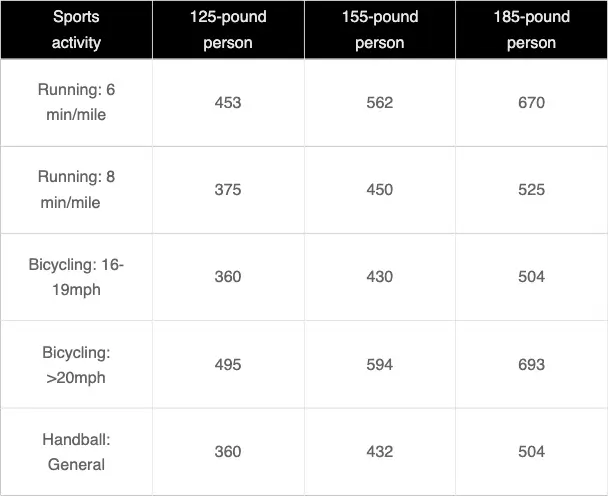
Yes! Running is one of the best calorie-burning exercises available. According to Harvard Medical School, a 155-pound person running at 8 minutes per mile burns about 450 calories in 30 minutes. Increase that pace to 6 minutes per mile, and the calorie burn jumps to 562 calories.
To effectively lose belly fat, aim for 4 to 5 runs per week, each lasting 30 to 60 minutes at a moderate to high intensity.
If this schedule feels overwhelming, consider mixing in cross-training activities like swimming, cycling, or yoga to stay active while reducing the risk of overuse injuries.
However, remember that running alone isn’t enough, adjusting your diet is crucial for visible results.
Here are the top 5 30 minute sports activities by calories burned taken from Harvard Medical School’s research:
Top 5 30-mins sports activities by calories burned
How to Lose Belly Fat While Running
Many runners assume that long-distance running is the best way to lose belly fat, but high-intensity efforts and proper nutrition are far more effective.
Why?
High-intensity exercise activates your muscles more effectively, burning more calories in a shorter time.
Post-exercise calorie burn (afterburn effect) keeps your metabolism high even after your workout.
10 Effective Tips to Lose Belly Fat
image via unknown
1. Avoid Trans Fats
Trans fats are found in processed foods, margarine, and some fried items. These unhealthy fats contribute to inflammation and abdominal obesity by disrupting normal metabolism.
Always check labels for partially hydrogenated oils and opt for natural sources of fat like avocados, nuts, and olive oil.
2. Limit Alcohol Intake
Excessive alcohol consumption leads to an increase in visceral fat, the most dangerous type of belly fat. Alcohol is high in empty calories and can disrupt hormone levels that regulate metabolism.
If you drink, stick to moderation and opt for lower-calorie options like dry wine or clear spirits mixed with soda water.
3. Eat More Protein
Protein plays a vital role in fat loss by increasing satiety, preserving lean muscle mass, and boosting metabolism. Studies show that higher protein intake reduces abdominal fat accumulation.
Aim for lean protein sources like chicken, turkey, fish, eggs, tofu, and beans, and spread your protein intake evenly throughout the day.
4. Manage Stress Levels
Chronic stress triggers an overproduction of cortisol, a hormone linked to increased belly fat storage.
Combat stress by engaging in relaxation activities like meditation, yoga, deep breathing exercises, or simply spending time outdoors. Regular exercise, including running, is also an excellent stress reliever.
5. Cut Back on Sugar
Excess sugar intake leads to insulin resistance, a condition that encourages fat storage, particularly around the belly. Reduce sugary foods, sodas, and sweets, and replace them with natural sweeteners like honey or fresh fruit to curb cravings.
6. Reduce Refined Carbs
Refined carbs such as white bread, pasta, and pastries cause spikes in blood sugar levels, leading to increased fat storage.
Replace these with whole grains like quinoa, brown rice, and oats, which provide fiber and steady energy release, helping you feel full longer.
7. Incorporate Strength Training
Building muscle through resistance training increases resting metabolic rate, meaning you burn more calories even at rest.
Add bodyweight exercises like squats, lunges, and push-ups or use weights 2-3 times per week for optimal fat loss.
8. Avoid Sugary Drinks
Beverages like soda, fruit juice, and energy drinks contain high amounts of liquid sugar, which the body absorbs quickly, leading to fat accumulation.
Replace them with water, herbal teas, or black coffee to stay hydrated without unnecessary calories.
9. Get Enough Sleep
Lack of sleep leads to increased levels of ghrelin (the hunger hormone) and reduced leptin (the satiety hormone), making you crave unhealthy foods.
Aim for 7-9 hours of quality sleep per night, and establish a consistent sleep schedule to regulate metabolism and hormone balance.
If you've been struggling to shed those last few pounds and feel like you've tried everything, it's time to give Mitolyn a shot. This viral metabolism-boosting supplement has taken the U.S. by storm, with thousands of people experiencing faster fat loss, increased energy, and better endurance.
Designed to supercharge your mitochondria, Mitolyn helps your body burn stubborn fat more efficiently by ramping up cellular energy production.
If you're feeling stuck and frustrated with slow results, this is could be the game-changer you've been waiting for. You can get more info about Mitolyn in this page.
Final Thoughts
Yes, running burns belly fat, but the best results come from a combination of running, strength training, dietary changes, and metabolic support.
By incorporating these strategies and using Mitolyn, you’ll accelerate fat loss and see faster progress.