Elite athletes just won new rules against camera angles that sexualize women in sport. For the millions of women who run watched every day, the fight is the same.
Ask almost any woman who runs, and she can describe the feeling exactly.
The prickle on the back of the neck, or the car that slows for no reason.
It is the reason a set of keys ends up threaded between the fingers.
The reason one particular corner gets cut from the usual loop, without anyone ever quite deciding to cut it.
That low, constant awareness of being looked at is not paranoia.
It is a tax that women pay to do the same simple thing men do without a second thought: go outside and move.
This week, that tax got named at the very top of the sport. And the people who named it were not campaigners or academics.
They were Olympians.
The Same Feeling, Broadcast to Millions
For years, elite women in athletics have been describing a stadium-sized version of that street-corner feeling. The lingering close-up, the camera set low.
Then the slow-motion replay that shows a body instead of a skill.
The problem is not shyness. It is that the lens keeps deciding a woman's shape is more interesting than her sport.
British pole vaulter Holly Bradshaw has been unusually direct about where that leads.
She has said she personally received abuse and saw inappropriate clips of herself and other athletes online after slow-motion competition footage was captured.
She also described something quietly devastating.
Athletes turning up to the biggest meets of their lives more focused on the cameras than on the performance they trained years for.
Why It Follows Women Home
The stadium and the street are the same story at different volumes.
A recreational runner deals with a passing stranger, while an Olympian deals with a freeze-frame seen by millions and saved forever.
Serbian long jumper Ivana Spanovic framed it as a health issue, not just an etiquette one.
She warned that certain camera angles, paired with old gender stereotypes, cause real distraction in competition and can do lasting damage to athletes' mental health.
That link is not soft or speculative.
The World Health Organization treats mental health as a core component of health itself, and chronic stress from feeling exposed sits squarely inside that.
What the Athletes Actually Won
Naming a problem is one thing, but this week the sport went further and wrote down the fix.
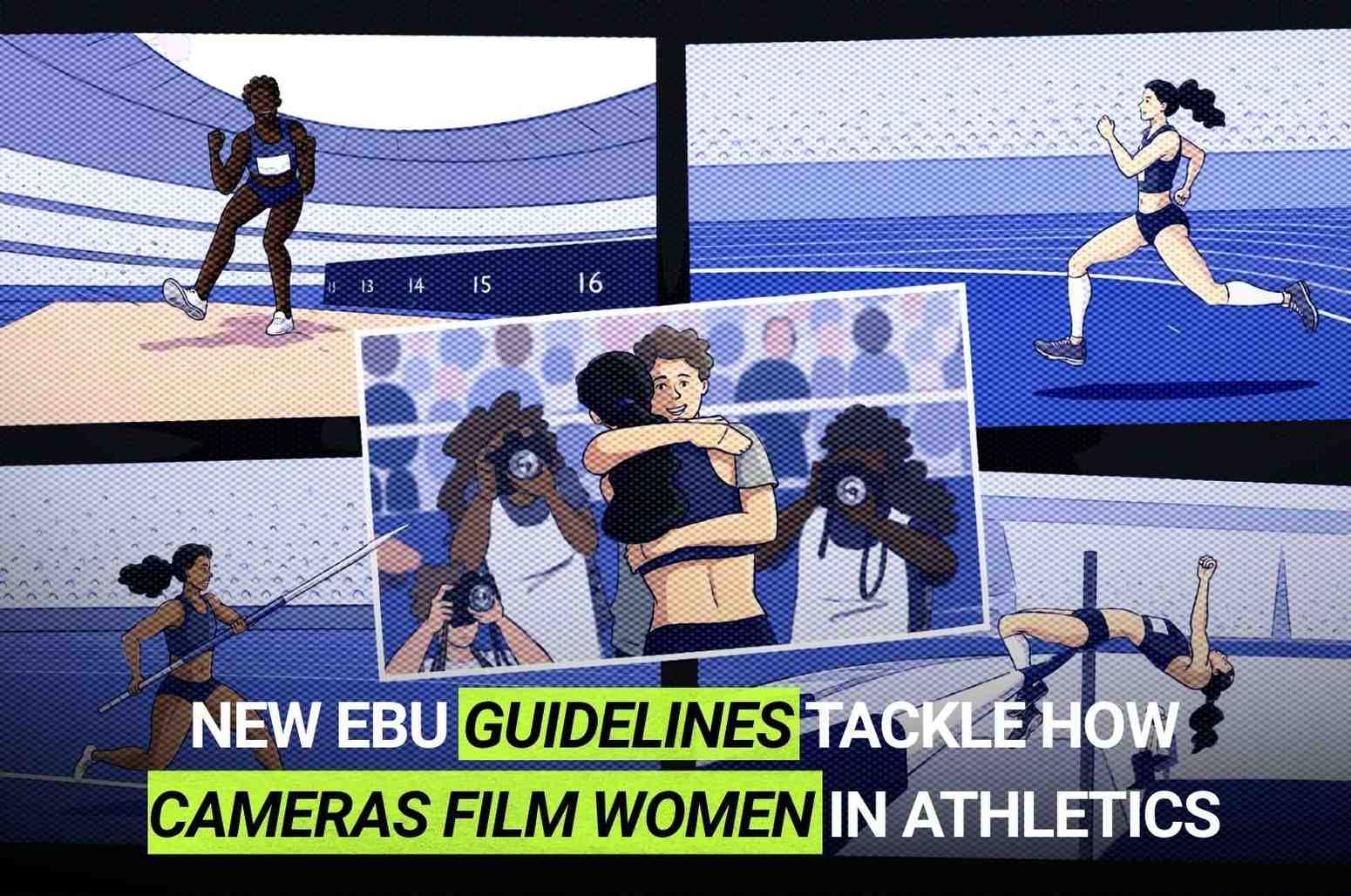
The European Broadcasting Union, with European Athletics, published a set of coverage guidelines called Raising the Bar.
It is backed by Bradshaw, Spanovic and Croatian high jumper Blanka Vlasic.
Three women who lived the problem, attaching their names to the solution.
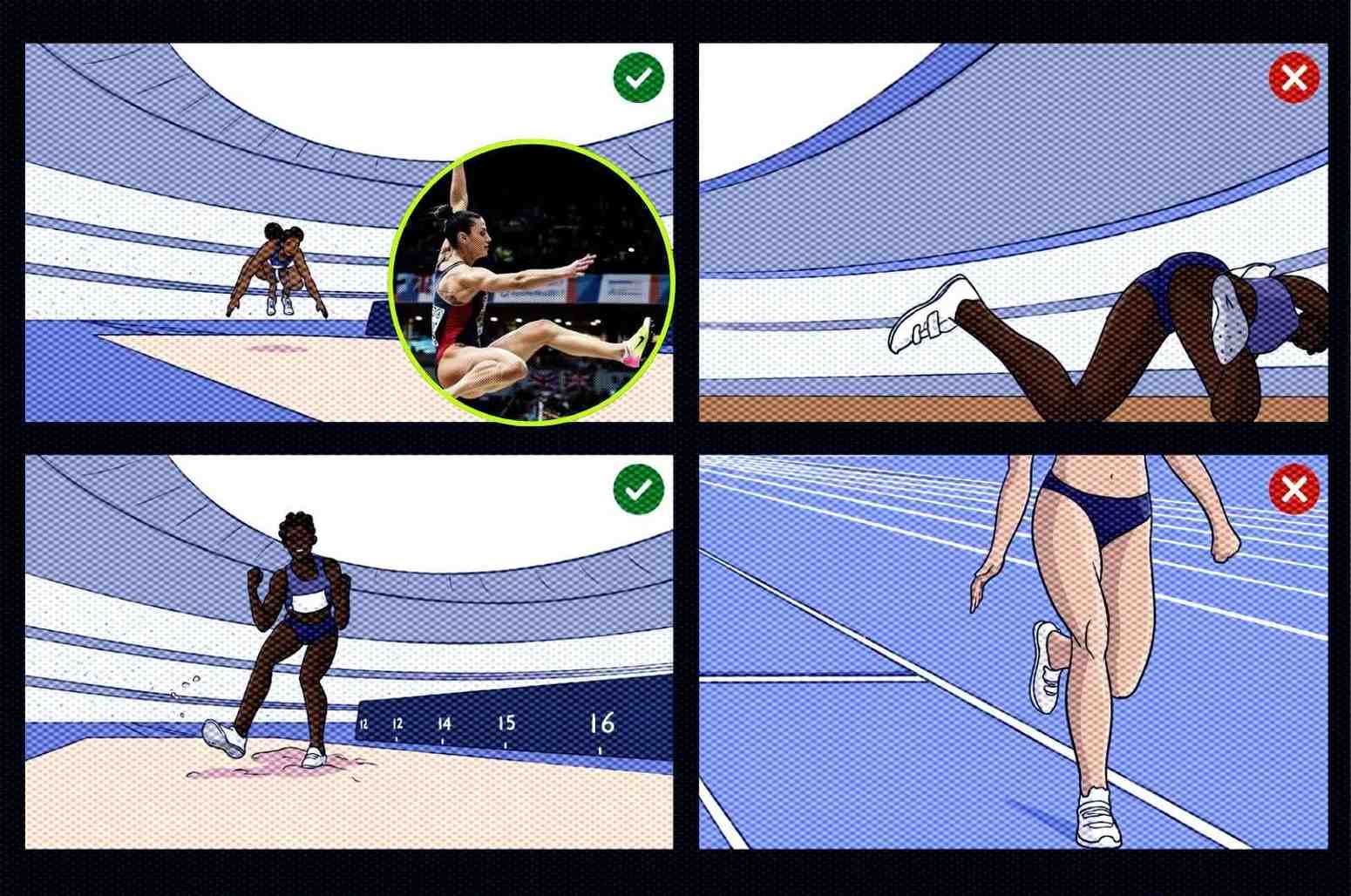
What makes the document unusual is how specific it is. It does not wave at good intentions, it points at exact shots and says: not that one.
Low cameras placed beneath athletes.
Tight framing that lingers on the body rather than the technique.
Slow-motion replays with no storytelling or technical purpose, especially around moments like a jumper landing or a vaulter bending to lift the pole.
It even hands directors small, unglamorous fixes. End a replay a beat earlier, or move the camera to the side.
Point it at the effort, not the aftermath.
The Argument That Disarms the Eye-Rollers
The cleverest move in the whole document is that it refuses to be a lecture about manners. It argues that the respectful shot is usually the better shot.
Bradshaw makes the case from inside her own event.
The real drama of a pole vault, she notes, lives in the last six strides, the run-up speed and the position at take-off, not in the clearance and landing where the compromising frames tend to happen.
Aim the camera at the part that is actually hard, in other words, and the leering shot has nowhere to live.
The ethics and the craft turn out to be the same instruction.
Why This Is a Running Story, Not Just a Track Story
It would be easy to file this under elite field events and move on.
That would miss the point entirely.
The whole history of women's running is a history of being told to be something other than an athlete.
Too fragile for the distance, too emotional for the pressure, too distracting to be filmed plainly.
Kathrine Switzer was physically grabbed at Boston in 1967 because a woman running was treated as a spectacle. The claim that women could not handle the miles has since been thoroughly dismantled.
The camera fight is that same argument wearing modern clothes.
Judge her by what her body does, not by how it looks doing it.
What Changes on Your Morning Loop
No broadcast guideline is going to walk your evening route with you.
But standards at the top have a way of trickling down into what feels normal everywhere else.
When the elite tier declares that women are athletes first and scenery never, that message reaches clubs, local races and social feeds.