Why Weak Glutes Can Put Extra Pressure on Your Lower Back During Workouts
Strong glutes are important for preventing lower back pain during workouts, but they require targeted activation to wake up.

Unlock your potential with these self-coaching tips for runners of all levels.

Running is a beautifully simple sport. All you need is a pair of shoes and the open road or trail. While having a coach can help, it’s entirely possible to achieve running success on your own.
Here are six practical tips to guide you on your journey to becoming your own running coach.
Great coaches are always learning, and you can apply the same principle to your self-coaching journey.
Dive into books, articles, podcasts, and conversations with fellow runners to expand your knowledge. Experiment with training principles and techniques that resonate with you to find what works best for your unique needs.
It’s tempting to push through every run with sheer willpower, but self-coaching requires making thoughtful decisions.
If you’re dealing with illness or a potential injury, ask yourself: “What advice would I give to another runner?” Use this perspective to make balanced choices that prioritize your long-term health and performance.
Your body is constantly sending signals about how it’s coping with training.
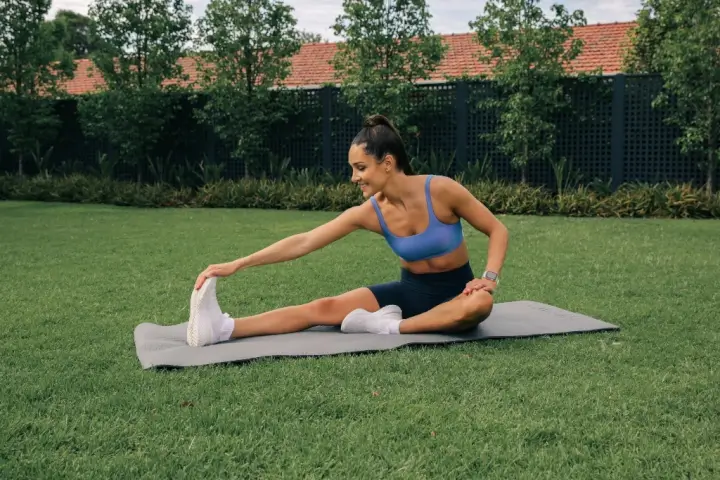
Aches, fatigue, or unusual discomfort may indicate the need to ease up.
Keeping a training journal with a “traffic light” system can help you monitor your progress: “Green” for great days, “Orange” for okay days, and “Red” for tough days. If you see multiple red days in a row, it’s time to rest and reassess.
A good training plan is a guideline, not a rigid rule.
Adjust your schedule based on your energy levels, work commitments, or unexpected life events.
For instance, if you’re feeling drained, swap a hard workout for an easy session or take an extra rest day. Adaptability keeps your training sustainable and effective.
Consistency trumps intensity. While big workouts may sound impressive, the real magic lies in steady, uninterrupted training over time. Avoid burnout and injuries by pacing yourself, incorporating rest days, and resisting the urge to overtrain.
A few months of consistent, moderate effort can yield far better results than sporadic bursts of extreme training.
Elite runners don’t aim to peak year-round, and neither should you. Periodization involves dividing your training into focused blocks that align with your goals.
For example, after completing a spring race, you might schedule a recovery phase, then shift to speed-focused training for summer, followed by preparation for an autumn event.
This method keeps your training fresh, balanced, and purpose-driven.
Self-coaching in running is about combining discipline, curiosity, and adaptability.
By becoming a student of the sport, listening to your body, and structuring your training with care, you can achieve your running goals and enjoy the journey along the way.
Remember, consistency and a flexible mindset are your greatest tools for success.
Take charge of your training and see how far you can go—literally and figuratively!
Start your running journey today!
No spam. Cancel anytime.