9 Rookie Mistakes That Ruin First Marathons (And How to Avoid Them)
Nine first-marathon mistakes coaches see every single year, from training and nutrition to race-day pacing. Learn each one before your start line.

I'm excited to share some valuable insights on how to kickstart your training journey, especially if you're carrying a few extra pounds.

Whether you're getting back into the groove after a hiatus or stepping into the world of fitness for the first time, I've got you covered with some healthy tips and strategies to make your training regimen not just effective but also enjoyable and sustainable.
Before diving into the nitty-gritty of training plans, let's address why getting started can feel like such a monumental task.
I often see people falling into two main categories: those who've burned out from previous intense efforts and those who feel they need to shed weight before even considering a training program.
For a training program to truly work, it needs to find that sweet spot — effective enough to yield results yet manageable enough to maintain without sacrificing other aspects of your life.
Whether you've had setbacks in the past or you're worried about your current fitness level, rest assured that there's a way forward, even if you're starting from a place of being overweight.
Let's keep things simple and focus on what truly matters during your workouts.
Here's a quick checklist to ensure you're maximizing your training sessions:
Now, let's outline a basic weekly training plan that strikes a balance between cardiovascular exercise, strength training, and mobility work:
If you find it challenging to create your plan, I can design a custom plan tailored specifically to your needs and goals, ensuring the quickest possible results.
Visit this page to get a personalized plan with no regrets and achieve your goals sooner!
For cardio sessions, try alternating between walking and jogging intervals or incorporate hill repeats for added intensity.
When it comes to strength training, focus on compound movements that engage multiple muscle groups.
Here's a simple routine to get you started:
Complete several rounds with rest intervals in between to customize the intensity to your fitness level.
Accountability is key to sticking to your training plan.
Consider keeping a workout journal, marking off completed sessions, or joining online communities for support and motivation.
Enlisting a workout buddy can also make the journey more enjoyable and rewarding.
Tips: you can use a running journal to staying accountable easily!
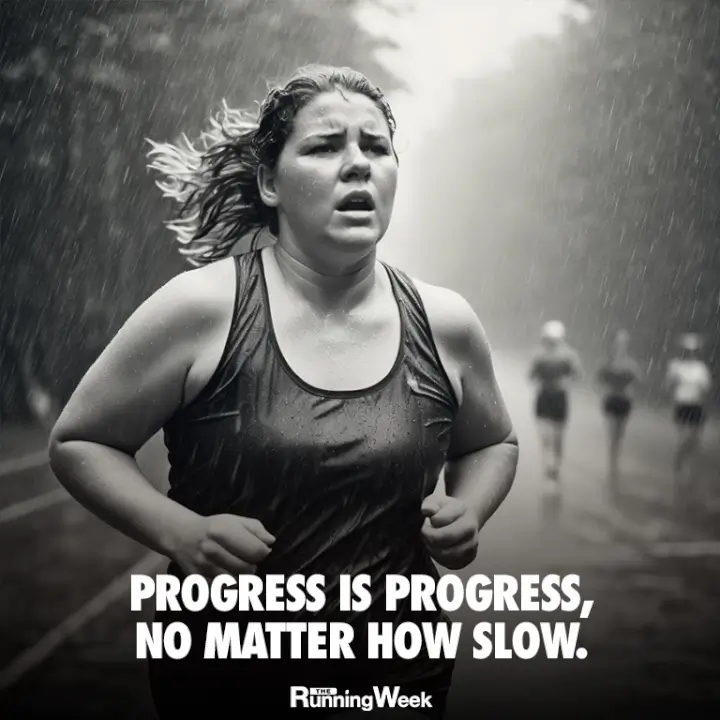
Remember, every step forward – no matter how small – is PROGRESS.
Celebrate your achievements, no matter how modest they may seem. Consistency and perseverance will ultimately lead to success.
I hope these tips have provided you with the guidance and motivation you need to embark on your training journey.
Remember that I can help you by designing a custom plan tailored to your goals. Plus, enjoy a $50 discount as an extra incentive. You can visit this page to get your personalized plan with confidence.
Thanks for tuning in, and remember, you've got this!
Start your running journey today!
No spam. Cancel anytime.