Why Weak Glutes Can Put Extra Pressure on Your Lower Back During Workouts
Strong glutes are important for preventing lower back pain during workouts, but they require targeted activation to wake up.

I want to pass along my top 9 tips so you can keep your evening and early-morning runs safe and stress-free!
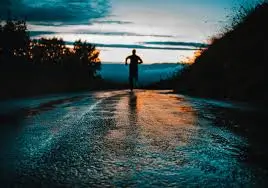
Winter is coming, and we’re in the perfect season to talk about running in the dark.
I’ll be real with you: when I started following a serious training plan, I got thrown into winter running…and winter was DARK when I lived in North-Italy!
After some close calls, I learned how to run safely in the dark.
Now I want to pass along my top 9 tips so you can keep your evening and early-morning runs safe and stress-free.
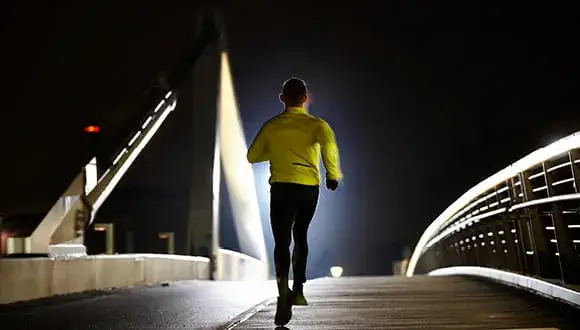
If you’re hitting the roads after dark, bright colors are essential.
Think neon and white for tops and jackets—anything that makes you easy to spot by drivers and cyclists alike.
Leave black and grey gear at home for these runs.
If your jacket’s on the darker side, layer up with reflective gear! A high-visibility vest or bands on your arms and legs can make all the difference.
And if you run in very dim areas, consider a light-up vest for consistent visibility.
Music is great, but when it’s dark out, stay alert to your surroundings by running without headphones.
This way, you can hear oncoming traffic, animals, or anything else around you that might be missed in the daylight. Or, if you want listen the music ad all costs use a pair of headphone bone conduction like this one.
Whether it’s a small ID card, a RoadID bracelet*, or your phone with emergency contacts, having ID on you is a good habit, just in case.
It’s also wise to keep your phone handy to call for help if you ever need it.
To carry ID, you can use a Flipbelt and stash your license and cell phone in it.
*A RoadID is an ingenious ID bracelet with your name and emergency info, in case anything ever happens to you while out on a run in the dark. It’s available on Amazon here.
In daylight, spontaneous routes are fun, but in the dark, plan ahead.
Map out routes you know well and avoid unfamiliar neighborhoods, dark alleys, and isolated trails.
Choose busy, well-lit streets and paths whenever possible. Seeing other people around keeps you safer, and it’s helpful to have others nearby if you need assistance.
We all love to zone out and let the miles melt away, but dark runs require focus. I learned this lesson the hard way after a nasty stumble.
So keep your eyes on the path and surroundings, it’s worth it!
Always run against traffic, so you can see cars coming toward you and react if needed.
Trust me, it’s much safer when you’re both aware of each other.
Give a friend, roommate, or partner a heads-up when you go for a dark run.
Just a quick “be back in 30” can help someone know if they should check in on you if you’re late.
A running buddy adds an extra layer of safety.
You’ll both feel better running together, and it can even help you get out the door if you’re not feeling motivated on those dark mornings.
Not every run needs to be outside. If the weather’s rough or you’re unsure about a new area, the treadmill is always a solid, safe option.
Remember, staying safe is always priority number one.
Running in the dark can be an amazing experience, but a few simple steps will keep it both safe and enjoyable.
Embrace these tips, and you’ll be ready to tackle those night and early-morning miles with confidence.
Happy running, and here’s to many safe, thrilling miles, no matter the hour!
Start your running journey today!
No spam. Cancel anytime.