Loose shoelaces can ruin a great run. Learn how the runner’s knot provides a secure, snug fit that helps you stay focused and comfortable mile after mile. A must-know technique for beginners and seasoned runners alike.
Shoelaces coming undone mid-run is more than just an annoyance it can break your flow and even cause injury if you’re not careful.
If you’ve ever found yourself stopping to retie your shoes multiple times, it might be time to try the runner’s knot.
This easy technique helps create a more secure fit and gives you peace of mind while you focus on your run.
What Is the Runner’s Knot?
The runner’s knot is a lacing technique designed to keep your shoes firmly secured, especially during intense or long-distance runs. By creating a more locked-in fit, this knot reduces the chances of laces loosening over time.
Benefits of Using the Runner’s Knot:
- Stronger Hold: Keeps your laces tight and in place even with repeated impact.
- Fewer Distractions: Eliminates the need to stop and re-tie shoes during a run.
- Better Fit: Creates a snug fit around the ankle and heel, offering improved stability and comfort.
How to Tie the Runner’s Knot
Learning the runner’s knot is simple and can be done in just a few steps:
- Prepare Your Laces: Start by lacing your shoes as usual until you reach the top eyelets.
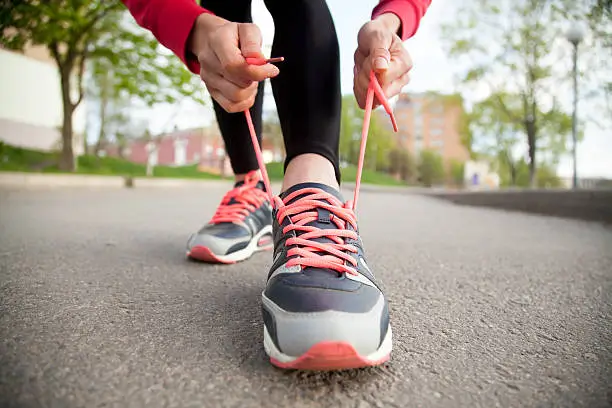
- Form Loops: Take each lace end and thread it into the final eyelet on the same side to create two small loops (also known as “bunny ears”).
- Cross and Thread: Cross the laces over the top of the shoe and pull each end through the opposite loop.
- Tighten and Tie: Pull the laces to your desired tension. Then tie your shoes as you normally would with a standard bow or double knot.
This method keeps your laces locked in place and helps prevent slippage.
What About the Runner’s Loop?
Some runners go a step further by using what’s often called the “runner’s loop.”
It’s essentially the same as the runner’s knot but can provide even more ankle support by creating extra tension around the top of the shoe.
This is especially helpful for runners who deal with heel slippage or looser-fitting shoes.
Conclusion
Small tweaks can make a big difference in your running experience, and how you tie your shoes is one of them.
The runner’s knot is a simple, effective way to avoid mid-run frustrations and ensure a secure, comfortable fit.
Whether you’re training for a race or heading out for a casual jog, learning this technique can help you stay focused and confident every step of the way.