Download our Free 8-Week Plan here →

Ethan Shuley Runs 2:07 in Osaka, Becomes Sixth-Fastest American Marathoner Ever

February 24, 2026
By
Anna F.

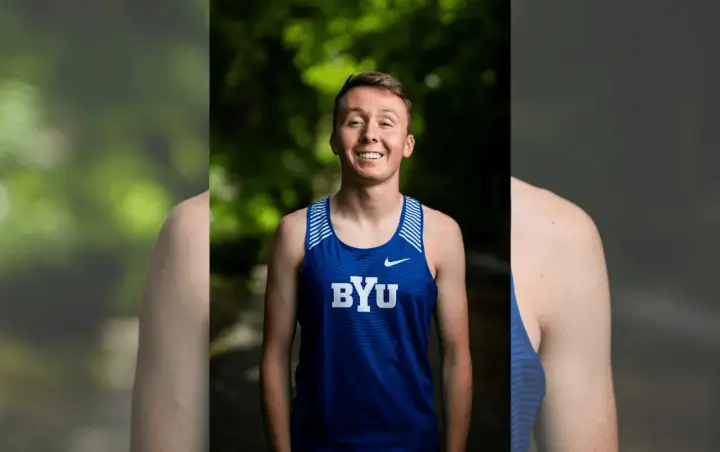
Unknown a week ago, Ethan Shuley just ran 2:07:14 at the Osaka Marathon on February 22, finishing 14th and becoming the sixth-fastest U.S. marathoner ever on a record-eligible course despite having no sponsor, no agent, and an unconventional path back to elite running.

​Ethan Shuley did not start the weekend as a known name in American distance running. By Sunday afternoon in Osaka, he had run himself into the history books.

​The 27-year-old American clocked 2:07:14 at the Osaka Marathon on February 22, finishing 14th in a deep international field. The time makes him the sixth-fastest US marathoner ever on a record-eligible course.

​Ahead of him on the all-time list are Conner Mantz, Khalid Khannouchi, Galen Rupp, Ryan Hall, and Abbabiya Simbassa.

Until this race, Shuley had no sponsor and no agent.

​His path to this result has been unconventional. A strong high school runner in Kentucky, Shuley won two state cross country titles before serving a Mormon mission in eastern Ukraine.

@tempo_japan 2:07:14 for Ethan Shuley, #7 ♬ BORN FOR THIS - Foxxi

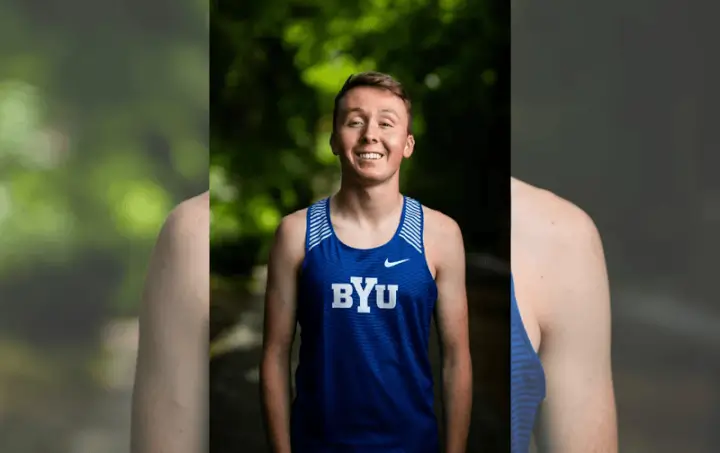
​At BYU, injuries limited him to one race. After the pandemic, he stepped away from competitive running.

​He moved to Tokyo in 2023 for work and film studies.

​At first, he trained casually and even attempted a 100-mile trail race, dropping out at mile 60. Gradually, he increased his mileage and added structured workouts.

​His marathon debut in late 2024 was 2:20. In less than 18 months, he improved to 2:18, then 2:11, and now 2:07.

​He currently trains under coach Isaac Wood, averaging about 115 miles per week


       if(window.strchfSettings === undefined) window.strchfSettings = {};
   window.strchfSettings.stats = {url: "https://therunningweek.storychief.io/ethan-shuley-runs-207-in-osaka-becomes-sixth-fastest-american-marathoner-ever?id=890225961&type=26",title: "Ethan Shuley Runs 2:07 in Osaka, Becomes Sixth-Fastest American Marathoner Ever",siteId: "23843",id: ""};
           (function(d, s, id) {
     var js, sjs = d.getElementsByTagName(s)[0];
     if (d.getElementById(id)) {window.strchf.update(); return;}
     js = d.createElement(s); js.id = id;
     js.src = "https://d37oebn0w9ir6a.cloudfront.net/scripts/v0/strchf.js";
     js.async = true;
     sjs.parentNode.insertBefore(js, sjs);
   }(document, 'script', 'storychief-jssdk'))


You Might Also Like

12 Things No One Tells You About Running

New to running (or returning) and surprised it feels awful at first? These 12 rarely mentioned lessons cover the real stuff gear costs, hunger, bad runs, weather, feet issues, and why you might still end up hooked.

Harry Styles Breaks Three Hours at Berlin Marathon, Finishes Among Top 5% of 48,000 Runners

Harry Styles stunned marathon fans in Berlin 2025, running 2:59:13 under an alias and finishing 2,245th out of 48,000+

Kenya’s Kennedy Kimutai Wins 2026 Paris Half Marathon as 50,000 Runners Fill the Streets

Paris welcomed 50,000 runners for the 2026 Paris Half Marathon, with Kennedy Kimutai and Ftaw Zeray taking the wins as crowds cheered along the Seine and through the Bois de Vincennes.

LA Marathon Allows Runners to Finish at 18 Miles Due to Heat Forecast

Los Angeles Marathon organizers are adding a heat-safety option: if race-day temperatures climb too high, runners may stop just after mile 18 and still receive a finisher medal. With forecasts rising from 12–13°C at the 7 a.m. start to 25–27°C by midday, the McCourt Foundation says the goal is preventing dangerous heat illness.

Jacob Kiplimo Sets New Half Marathon World Record with 57:20 in Lisbon

Jacob Kiplimo just rewrote the half-marathon record books in Lisbon, storming to a 57:20 victory without pacemakers, outkicking Nicholas Kipkorir late as Tsigie Gebreselama defended her women’s title in dominant fashion.

Study Finds Vitamin D Helps Maintain Immune Health, but Does Not Improve Running Performance

Vitamin D can help runners hold onto healthy levels through the dark winter months, and may support immune markers, but this new study found it doesn’t translate into better performance like VO₂max, power, or strength.