Cody Taylor set the unsupported out-and-back FKT on Vermont's Long Trail: 550 miles, 17 days, no resupplies, no outside help. Here is what really happened out there.
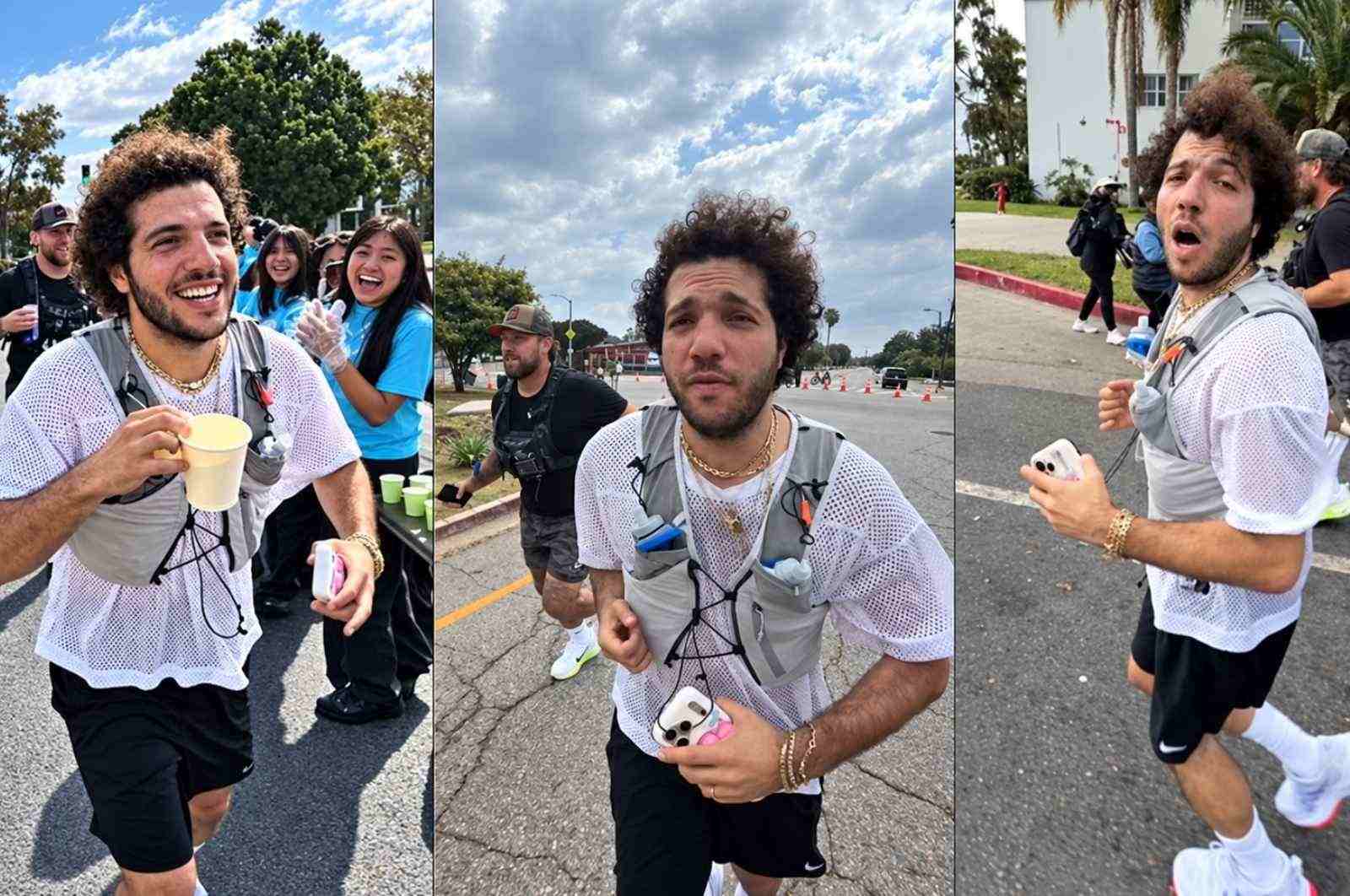
On August 4, 2026, ultra-endurance runner Cody Taylor stepped onto the northern terminus of Vermont's Long Trail carrying a 51-pound expedition pack and no plan to touch civilization again until the job was done.
Seventeen days, eight hours, and forty-two minutes later, he stumbled off the trail with the unsupported out-and-back FKT for the entire route.
The distance came in at roughly 550 miles with around 135,000 feet of climbing, and he finished about 20 pounds lighter than when he started.
What "Unsupported" Really Means Out There
In FKT rules, unsupported is the strictest category there is.
No resupplies. No caches.
No handoffs from friends, no pacers, no outside help of any kind. Water filtered from the trail is the entire allowance.
Cody carried every calorie for 16 days of movement on his back from the start, along with his tent, sleep system, and safety gear.
He was also told by the FKT team that he could not sleep in the trail's lean-tos, because those count as shelter and would break the unsupported style.
So the tent went up every night. Even the nights when everything he owned was already soaked.
The 51-Pound Pack and the Math of Survival
The Long Trail runs 272 miles along the spine of the Green Mountains, from the Massachusetts border up to Canada. It is the oldest long-distance hiking trail in the United States, and thru-hikers routinely describe it as the Appalachian Trail with all the easy bits removed.
An out-and-back means running it end to end, then turning around and running the whole thing back.
Double the distance. Double the climb.
Rationing on the Move
Cody's pack was designed to lose 1.9 pounds of food per day as he ate through it.
That is a beautifully simple bit of math when things go to plan. Things did not go to plan.
For the first eight days he was too worked to eat everything he had packed.
That accidental underconsumption is what saved the entire effort. He had food for 16 days, and the record took him into day 18.
Without the buffer he built in that first week, he would have run out of calories with a full day still to go.
The Days That Nearly Ended Everything
Ask any endurance athlete who has attempted a multi-week unsupported project and they will tell you the same thing. The first four days are the hardest.
The pack is heaviest. The body has not adapted to constant movement.
Home feels impossibly far away.
"Day 1 to 4 was the hardest. It always will be for big unsupported projects like this," Cody wrote in his FKT report.
"If you can survive those days, you're typically in the clear unless you injure yourself."
Near-Hypothermia in Soaked Gear
Vermont in August is not a gentle place when the weather turns.
Cody described rain that arrived hard and often, wet rocks that made every downhill technical, and one night where he nearly dropped into hypothermia trying to set up camp with soaked gear after a long day.
His hips throbbed for over a week, a direct consequence of carrying that much weight down that much descent.
He had cut his sleeping pad in half to save on grams. In hindsight, he wishes he had brought the inflatable one.
A Shin Splint That Vanished on Its Own
A shin splint flared up for five days straight in the middle of the effort. Under normal circumstances that is a stop-training injury. Cody kept moving.
On day six, it was gone. The tissue had adapted to the load rather than failed under it.
There was also chafing across his back, blisters, cuts, and dozens of falls on wet rock that he described in the record as basically routine.
The Mantra That Kept Him Moving
When things fell apart out there, Cody kept returning to a single line: "Your body will adjust. We're meant to move."
It is a mantra he credits to years of unsupported projects.
This was his third straight year attempting month-scale efforts, including a stint running with his coach Ray in the Atacama Desert in Chile in 2023 that he says changed his life.
The Long Trail idea itself came from fellow FKT athlete Jamieson Hatt, who had run a project alongside Cody the year before.
Hatt saw him moving in the mountains, called the shot, and Cody agreed on the spot.
On the trail, he wore a single pair of Norda 002s the entire distance.
What Runners Can Actually Take From This
Most runners reading this will never attempt a 550-mile unsupported project. That is not the point.
The point is what these efforts reveal about the ordinary body under extraordinary conditions.
Three things stand out from Cody's account, and they matter for everyone who runs distance.
The body adapts faster than you think.
A shin splint disappearing under continued load runs against every conservative rehab protocol out there.
It also lines up with what elite ultra athletes keep reporting from the field: symptoms that would sideline a fresh runner often resolve as the body absorbs the work.
Under-fueling early buys you a margin later.
Not by design, but the fact that Cody arrived at his final days with food he did not expect to have is the operational lesson of the whole effort.
The mental piece is not optional.
Cody called his wife every single day from the trail. He also credits his coach and his mentor by name in the FKT report.
Nobody does 17 days in the mountains alone without a support system on the other end of the phone.
At a certain distance, the sport becomes less about pace and more about the willingness to keep moving.
Cody is already planning his 2027 project with the same coach. He has said only that it will be close to a month long.
If the Long Trail was any indication, the next one will be worth watching too.