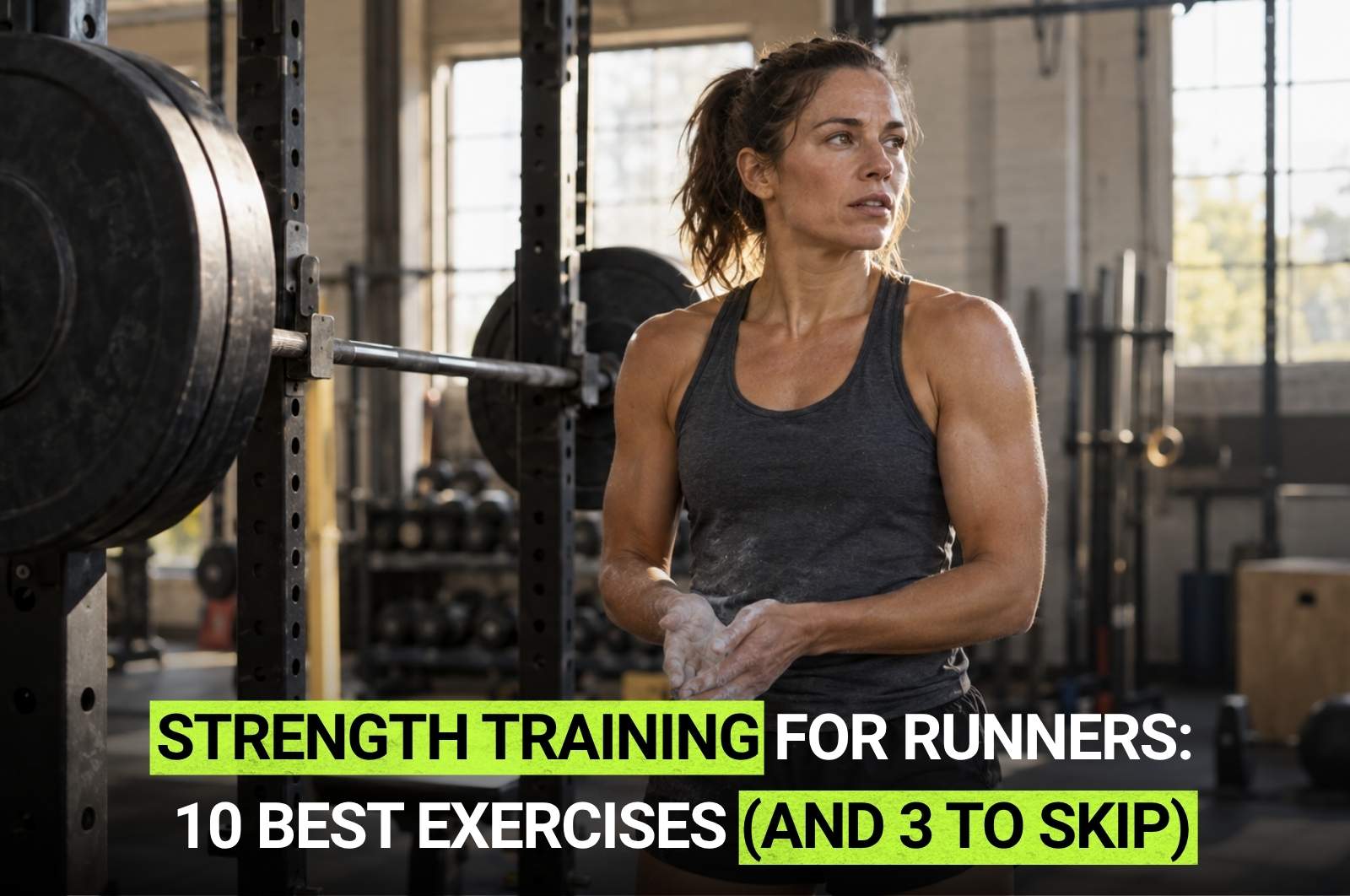
The 10 Strength Exercises Top Coaches Want Every Runner Doing (And 3 They Should Skip)
The right strength work makes you a faster, more durable runner. The wrong lifts eat into recovery without giving anything back.

Running teaches you the hard-earned truths most beginners miss: strength and rest matter as much as miles, fuel and easy runs unlock progress, and mindset, safety, and community keep you consistent for the long haul.

Running has a way of teaching you things slowly, sometimes gently, sometimes through frustration, and occasionally through pain.
When you first start, it feels simple.
But over time, you realize there’s a whole world behind those miles: technique, recovery, mindset, and small habits that make a big difference.
Looking back, I can clearly see how much I didn’t know in the beginning.
Some lessons only reveal themselves after years of trial and error, but many of them could have saved me time, injuries, and unnecessary setbacks if I had understood them earlier.
These are the lessons that changed how I train, how I think, and how I enjoy the process.
For a long time, I believed running alone was enough to become a better runner. It took years, and several injuries to realize that wasn’t true.
Strength training plays a crucial role in building a resilient body. It supports your joints, improves stability, and helps maintain proper form, especially when fatigue sets in.
You don’t need complicated routines or hours in the gym.
Even two short sessions per week focused on core, glutes, and legs can significantly improve your running performance and reduce injury risk.
In the beginning, I thought consistency meant running every single day. Skipping a workout felt like failure.
Over time, I learned that rest is not the absence of progress, it’s where progress actually happens.
When you rest, your muscles repair and adapt to the stress you’ve placed on them. Without that recovery, you’re simply accumulating fatigue.
One full rest day per week, or at least a very easy day, can help you come back stronger and more energized.
At one point, I convinced myself that I needed highly supportive shoes, orthotics, and all kinds of adjustments just to run safely.
While some runners do require specific support, many don’t.
Before investing in complex solutions, it’s worth focusing on the basics: strengthening your body and improving your running form.
Often, those two things solve more problems than expensive gear ever could.
I still remember running my first half marathon without taking any fuel. Not because I wanted to challenge myself, I simply didn’t know I was supposed to.
Nutrition during long runs and races is essential. Your body needs energy to perform and recover.
Learning how and when to fuel can transform your experience, helping you avoid that sudden energy crash and maintain a steady pace.
For years, I labeled myself as a “slow runner.” I believed my pace was fixed, something that couldn’t really change.
That belief quietly shaped my training and limited my progress.
Once I started challenging that idea, everything shifted. With structured training and a more open mindset, improvement became possible.
Often, the biggest barrier isn’t physical. It’s the story we tell ourselves about what we can or can’t do.
There was a time when anything less than ideal weather meant switching to the treadmill or skipping the run entirely.
If it was too cold, too windy, or too dark, I stayed inside.
Eventually, I discovered that running in different conditions adds variety and builds mental toughness. Rain, wind, or cold can actually make runs more memorable. You just need to show up.
Your relationship with running will change over time.
There will be periods when it’s your top priority, and others when life takes over and running moves to the background.
Instead of resisting these changes, it’s better to accept them.
Progress isn’t always linear, and that’s okay. The key is consistency over the long term, not perfection in the short term.
Chafing, blisters, and minor discomforts might seem insignificant at first, but they can quickly turn into major issues.
Learning how to prevent these problems early makes a huge difference.
Simple solutions (like using anti-chafing products, wearing the right gear, or adjusting your routine) can save you from unnecessary pain and keep your runs enjoyable.
In the early days, I didn’t think much about running clothes.
Cotton t-shirts and random gear seemed fine until I experienced proper running apparel.
Technical fabrics help regulate temperature, reduce friction, and keep you comfortable.
You don’t need an expensive wardrobe, but having a few reliable pieces can make every run feel better.
For a long time, I ran most of my runs at the same moderate pace.
It wasn’t hard, but it wasn’t easy either. It felt productive, but it wasn’t optimal.
Now I understand the importance of truly easy runs. They help build endurance, improve recovery, and allow you to handle harder workouts more effectively.
Slowing down can actually help you get faster.
Trying to learn everything by yourself can take years.
A coach or experienced runner can help you avoid common mistakes and provide structure to your training.
Even experienced runners benefit from guidance. Having someone who can adjust your plan, give feedback, and keep you accountable can accelerate your progress significantly.
When I first started running outdoors, I didn’t pay much attention to safety.
No reflective gear, no clear plan, sometimes not even a phone.
Now I see how important it is to be visible and prepared.
Running in safe areas, letting someone know your route, and using basic safety gear are simple habits that can make a big difference.
The more I learned about running, the better my training became.
Reading books, following reliable sources, and understanding the principles behind training helped me make smarter decisions.
Running isn’t just physical, it’s also about understanding how your body works and how to support it.
Even if you prefer running alone, being part of a running community can be incredibly motivating. Sharing experiences, challenges, and progress with others creates a sense of connection.
Whether it’s local groups or online communities, having people who understand your journey can make it more enjoyable.
It’s easy to focus on the next race, the next goal, or the next milestone.
But running is bigger than any single event.
Over time, it becomes a part of your life, something that evolves with you.
The real value isn’t just in achieving goals, but in the consistency, growth, and experience along the way.
if(window.strchfSettings === undefined) window.strchfSettings = {};
window.strchfSettings.stats = {url: "https://therunningweek.storychief.io/15-running-lessons-i-wish-i-had-learned-earlier?id=1790729338&type=26",title: "15 Running Lessons I Wish I Had Learned Earlier",siteId: "23843",id: ""};
(function(d, s, id) {
var js, sjs = d.getElementsByTagName(s)[0];
if (d.getElementById(id)) {window.strchf.update(); return;}
js = d.createElement(s); js.id = id;
js.src = "https://d37oebn0w9ir6a.cloudfront.net/scripts/v0/strchf.js";
js.async = true;
sjs.parentNode.insertBefore(js, sjs);
}(document, 'script', 'storychief-jssdk'))
Start your running journey today!
No spam. Cancel anytime.