
The Post-Marathon Crash Nobody Warns You About
You cross the line. You get the medal. You eat something greasy. You sleep for ten hours. And by Wednesday, you feel like the floor dropped out.

Regular running after 40 can help you stay strong and sharp by supporting heart health, slowing bone and muscle loss, improving digestion, protecting cognitive function, managing weight, and boosting confidence as your body changes with age.

When you are in your twenties and thirties, time rarely feels like a limitation. Your body is strong, recovery is fast, and it often seems like you can push through almost anything. Aging feels distant and abstract.

After forty, that perception begins to shift. Many people start noticing small changes. Recovery takes longer. Energy levels fluctuate more.
The body no longer responds exactly the same way it did before.
The good news is that lifestyle choices can influence how quickly these changes happen. Physical activity plays a major role in maintaining health over time, and running is one of the most effective and accessible forms of exercise.
Below are several age related changes that regular running can help counteract.

One of the systems most affected by aging is the cardiovascular system.
Over time, blood vessels and arteries tend to become less flexible.
This means the heart has to work harder to pump blood throughout the body. As a result, the risk of high blood pressure and other cardiovascular conditions increases with age.
Regular aerobic exercise helps maintain the elasticity of blood vessels and improves circulation. Running strengthens the heart muscle and allows it to pump blood more efficiently. It also helps regulate body weight, which is an important factor in preventing heart disease.
Another important benefit of running is stress reduction.
Chronic stress can negatively affect the cardiovascular system and increase blood pressure.
Research from Brigham Young University has shown that exercise can reduce the negative effects of long term stress on memory and overall brain function. Managing stress through regular physical activity indirectly supports heart health as well.
Combined with a balanced diet that includes lean proteins, vegetables, fruits, and whole grains, running can significantly improve long term cardiovascular wellbeing.
Aging affects both bone density and muscle mass.
After the age of forty, bones gradually become less dense and muscles tend to lose strength and flexibility. This process, known as sarcopenia, is a natural part of aging but can be slowed through physical activity.
Running places controlled stress on bones and muscles, which stimulates the body to maintain bone density and muscle strength.
Research from the University of Missouri suggests that high impact endurance activities like running can have a positive effect on bone mineral density.
However, running alone is not enough.
Strength training is an important complement because it builds muscle mass and improves the body's ability to absorb impact. Strong muscles also support joints and reduce the risk of injury.
Nutrition also plays a key role. Adequate calcium intake is important for bone health, and foods such as leafy greens, tofu, salmon, and broccoli can help support healthy bone structure.
Stretching and mobility exercises should also be included before and after workouts to maintain flexibility and improve range of motion.
Digestive issues become more common with age. Structural changes in the digestive tract can lead to slower intestinal movement and increased constipation.
Regular physical activity helps stimulate the digestive system. Cardiovascular exercise such as running increases blood flow and activates abdominal muscles, which helps move digestive waste through the intestines more efficiently.
Exercise also helps regulate hormones that influence digestion and appetite.
To support digestive health, running should be combined with a diet rich in fiber. Fruits, vegetables, whole grains, and adequate hydration help maintain regular digestive function.
Without sufficient fiber and water intake, even active individuals may experience digestive discomfort.
Aging also affects the brain.
Many people begin noticing subtle changes such as difficulty remembering names, slower recall of words, or reduced ability to process complex information quickly. These changes are common and part of normal cognitive aging.
Physical activity has a strong positive impact on brain health.

Running increases blood flow to the brain, which improves oxygen delivery and supports neural function. Research shows that exercise can stimulate neurogenesis, the process through which new brain cells are formed.
Regular activity has also been associated with improved creativity, mental energy, and problem solving abilities.
Another factor is sleep. Running and other forms of exercise can improve sleep quality. Better sleep supports memory consolidation and cognitive performance the following day.
Social interaction connected with running communities can also help reduce depression and stress, which are known contributors to cognitive decline.
As people age, metabolism gradually slows down. This means the body burns fewer calories at rest.
If eating habits remain the same while physical activity decreases, weight gain becomes more likely. Excess weight increases the risk of conditions such as diabetes, cardiovascular disease, and joint problems.
Running is one of the most effective ways to maintain a healthy weight. It burns calories, increases metabolic efficiency, and improves insulin sensitivity.
Even moderate running or jogging routines can significantly help balance calorie intake and energy expenditure.
For people who are not ready to run long distances, regular walking can also provide meaningful benefits.
Sexual health is another area influenced by aging.
Hormonal changes can affect libido, physical comfort, and sexual performance. For women, vaginal dryness may become more common. For men, erectile difficulties may develop with age.
Exercise helps regulate hormonal balance and improves circulation throughout the body. Improved blood flow plays an important role in sexual function for both men and women.
Running also supports overall confidence and body image. When people feel physically strong and healthy, it often translates into greater comfort with their bodies and stronger sexual wellbeing.
However, balance is important. Excessive training without adequate recovery can create physical stress that negatively affects hormonal balance. Listening to the body's signals and allowing time for recovery is essential.
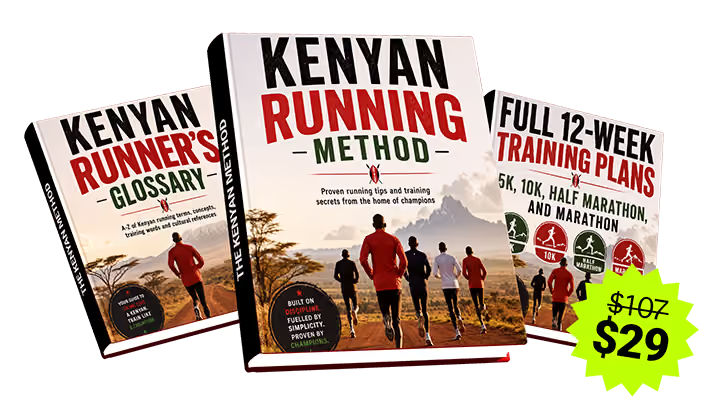
Discover the authentic training methods of Kenyan runners and start improving your running faster than you ever thought possible.
Learn More About The Method →*Limited-time reader offer available
Aging is unavoidable. Every body changes over time.
What we can influence is how those changes affect our quality of life.
Regular movement, balanced nutrition, adequate recovery, and healthy habits can significantly slow many of the physical and mental effects associated with aging.
Running is not a magic solution, but it is one of the simplest and most effective tools available.
Maintaining an active lifestyle is less about stopping time and more about staying capable, independent, and healthy for as long as possible.
Start your running journey today!
No spam. Cancel anytime.


