
Do You Need Sunscreen for Running Outside? A Runner’s Guide
Runners get higher cumulative UV exposure than the general population. Here is when sunscreen matters, what SPF actually works when you sweat, and what to do about it.

Supplements can help runners chase small gains, but most don’t need many. This guide cuts through the hype with evidence-backed picks for pre-run energy, long-run fueling, and faster recovery without replacing the fundamentals.

Runners are natural optimizers.
Give us a pair of shoes and a stopwatch, and we’ll start looking for ways to go a little faster, last a little longer, and recover a little better.
Somewhere along that path, supplements enter the conversation like shiny tools promising marginal gains.
Some of those tools work. Some are overhyped. And some are simply expensive distractions from the fundamentals.
Before diving into the list, let’s anchor one important truth: most runners don’t need supplements.
If your diet is balanced, varied, and sufficient in calories, you can cover nearly all your nutritional needs through food alone. Whole foods bring not just vitamins and minerals, but also fiber, antioxidants, and a complexity that pills rarely replicate.
But real life isn’t a controlled lab. You’re training around work, stress, travel, and inconsistent eating patterns.
That’s where supplements can become useful, not as magic fixes, but as quiet support systems.
Let’s break down what actually helps runners, across performance, endurance, and recovery.
The honest answer is: sometimes.
If you’re eating well, sleeping enough, and recovering properly, supplements are optional.
But if you’re training frequently, increasing mileage, or struggling with fatigue, recurring illness, or slow recovery, there may be gaps worth addressing.
Runners place repeated stress on the body. Over time, this can lead to deficiencies, especially in iron, vitamin D, and certain minerals. Ignoring those gaps can affect performance, mood, and long-term health.
The key is not to blindly follow trends. Instead, think of supplements as targeted support, ideally based on your needs, not marketing claims.
Before you even step out the door, a few key nutrients can influence how your run feels.
This is the most proven performance enhancer available to runners.
Caffeine improves alertness, reduces perceived effort, and can enhance endurance performance. Even a small dose before a run can make it feel smoother and more controlled.
That said, more isn’t better. Too much caffeine can lead to jitters, pacing mistakes, or stomach issues. Start small and test your tolerance during training, not race day.

Nutricost Caffeine Pills 100mg Per Serving
✓primeNutricost Caffeine Capsules deliver a boost of energy to help you stay focused and alert throughout the day.
$11.95 from AmazonAs an Amazon Associate, we earn from qualifying purchases.

CAFFYNE Energy Pouches by Long Run
✓primeCaffyne Energy Pouches deliver noticeable energy you can feel in five minutes or less.
$9.99 from AmazonAs an Amazon Associate, we earn from qualifying purchases.

The Genius Brand Genius Caffeine
✓primeClean daily energy supplement for focus, endurance & productivity
$16.99 from AmazonAs an Amazon Associate, we earn from qualifying purchases.
Nitrates, commonly found in beetroot, improve how efficiently your body uses oxygen. This can translate into better endurance and slightly improved performance, especially in longer efforts.
You don’t need a supplement if you regularly eat leafy greens and beets, but concentrated forms can be useful before races or key workouts.

BEET IT Natural Beetroot Running Gels
✓primeWhether running, cycling, or training, this concentrated beetroot formula helps optimize oxygen use for peak performance.
$49.99 from AmazonAs an Amazon Associate, we earn from qualifying purchases.

Beet Root Powder Circulation Supplement
✓primeEnjoy your daily boost of super reds effortlessly. Just scoop and stir with water, juice or your favorite smoothie.
$25.95 from AmazonAs an Amazon Associate, we earn from qualifying purchases.
Running increases oxidative stress in the body. Antioxidants like vitamins C and E help neutralize that stress and support recovery.
The best source remains whole foods, especially berries, fruits, and vegetables. Supplements can help if your diet lacks variety, but they shouldn’t replace it.

Nature Made Vitamin C 500 mg Tablets
✓primeContains a 100 day supply of nature made vitamin c 500 mg caplets, 100 caplets per bottle
$7.49 from AmazonAs an Amazon Associate, we earn from qualifying purchases.
Iron is critical for oxygen transport in the blood. Low iron levels can lead to fatigue, poor performance, and reduced endurance.
Women runners and those on plant-based diets are especially at risk. If you suspect low iron, testing is essential before supplementing, as excess iron can also be harmful.
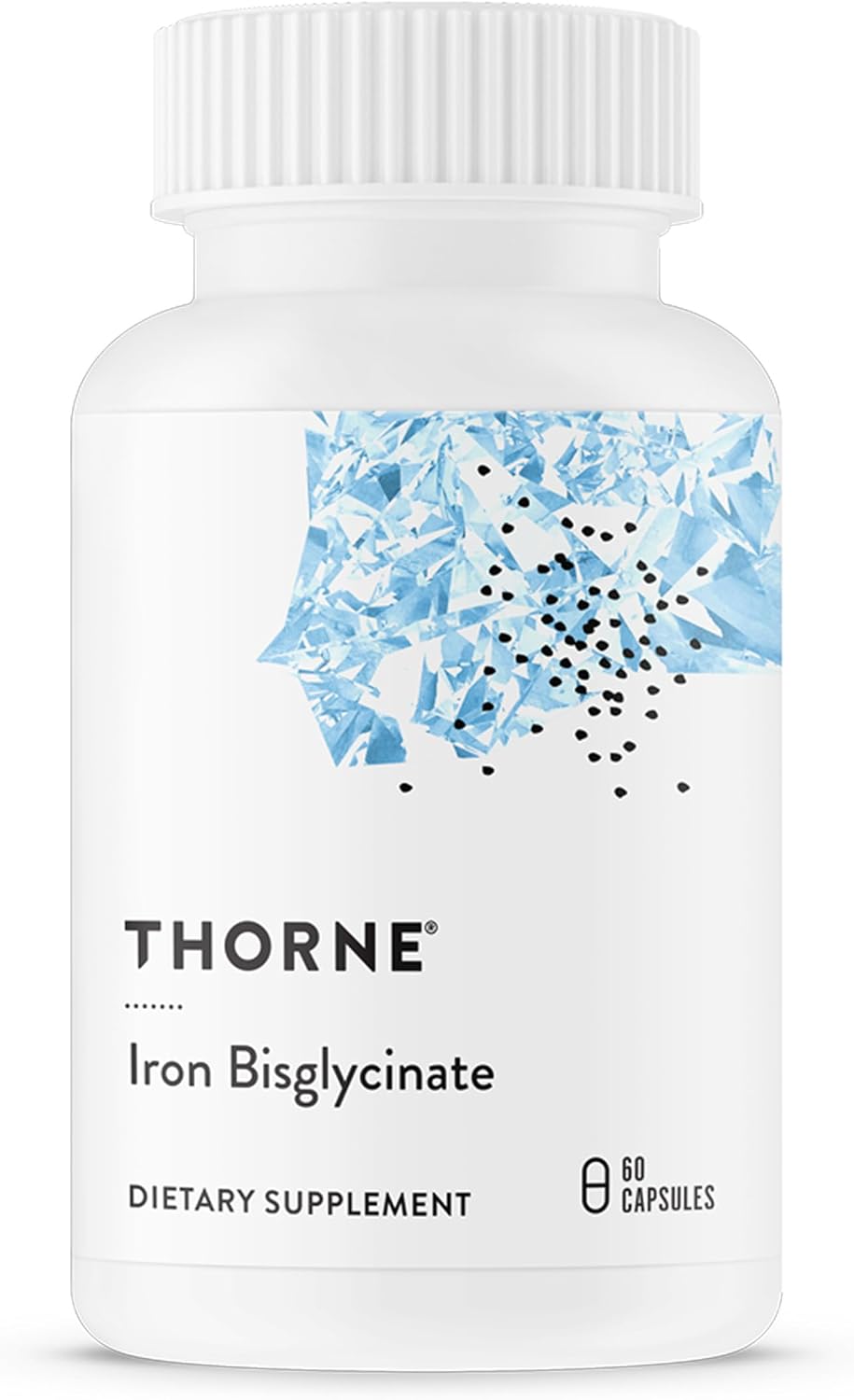
Iron Bisglycinate - 25 mg Iron Supplement
✓primeWell-Absorbed Iron: Provides 25 mg of elemental iron per capsule in a non-constipating, well-absorbed form as iron bisglycinate
$16 from AmazonAs an Amazon Associate, we earn from qualifying purchases.
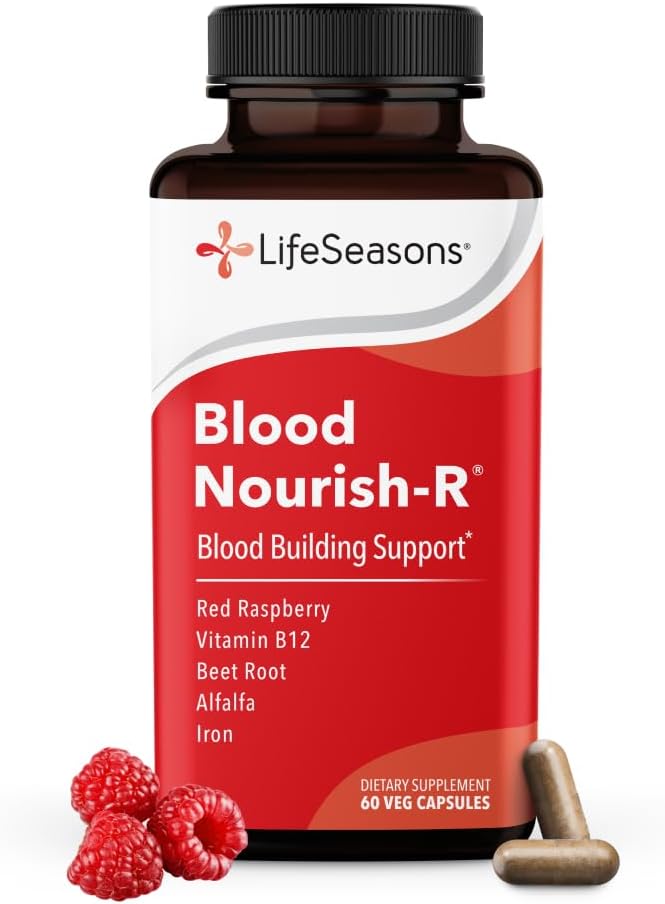
LifeSeasons Blood Nourish-R
✓primeTake this tired blood supplement to help nourish blood building and support your overall health.
$27.99 from AmazonAs an Amazon Associate, we earn from qualifying purchases.
Think of a multivitamin as a safety net, not a solution. It can help fill minor nutritional gaps, especially during periods of intense training or inconsistent eating.
However, it won’t compensate for a poor diet. Food still comes first.

Runner Multivitamin | Engineered Multi-Vitamin
✓primeThe Vitamin B-Complex supports the body’s natural energy production and endurance metabolism.
$34.99 from AmazonAs an Amazon Associate, we earn from qualifying purchases.

The Runner's Multivitamin-Organic High Performance
✓primeThis supplement is made from organic real food not synthetically made like most other competitors.
$39.95 from AmazonAs an Amazon Associate, we earn from qualifying purchases.
These minerals support muscle function, energy production, and immune health. Magnesium, in particular, can help reduce muscle cramps and improve sleep quality, both valuable for runners.

Zinc and Magnesium Aspartate
✓primeOne 180 tablet container (60 day supply) of Optimum Nutrition Zinc Magnesium Aspartate Supplement
$39.99 from AmazonAs an Amazon Associate, we earn from qualifying purchases.

Magnesium Zinc & Vitamin D3 Supplement
✓primeSupport for your bones, brain, muscles, nerves, vitality, digestion, gut and immune system.
$16.99 from AmazonAs an Amazon Associate, we earn from qualifying purchases.
Once your run extends beyond 60 to 90 minutes, fueling becomes essential.
Carbs are your primary energy source during running. As glycogen stores deplete, fatigue sets in. Replenishing carbohydrates during long runs helps maintain pace and delay exhaustion.
This can come from gels, drinks, or even simple foods. The exact form matters less than consistency and tolerance.

Precision Fuel Carb Drink Mix Powder
✓primeThis drink mix delivers a potent 60g of carbohydrates and 1000mg of sodium per litre.
$31.99 from AmazonAs an Amazon Associate, we earn from qualifying purchases.

Flow Carbohydrate & Electrolyte Sports Fuel
✓primeMaximize your power output with the research-optimal 0.8:1 Glucose-to-Fructose ratio.
$27.99 from AmazonAs an Amazon Associate, we earn from qualifying purchases.

Tailwind Nutrition High Carb Fuel
✓primeHigh Carb Fuel delivers 90g of carbohydrates per serving in an optimized 2:1 glucose-to-fructose ratio
$25.50 from AmazonAs an Amazon Associate, we earn from qualifying purchases.
Sweat isn’t just water, it contains sodium and other electrolytes essential for muscle function. Losing too much without replacement can lead to cramps, dizziness, and fatigue.

Keppi Electrolytes Powder – Blueberry Pomegranate Flavor
✓primeEnjoy a light fresh flavor that’s smooth and easy to drink, with no sugar, artificial dyes, or a salty aftertaste.
$23.90 from AmazonAs an Amazon Associate, we earn from qualifying purchases.

Sports Electrolytes for Runners, Cyclists
✓primeA vibrant, refreshing electrolytes powder made for athletes, busy professionals, and anyone who needs reliable hydration.
$25.90 from AmazonAs an Amazon Associate, we earn from qualifying purchases.

Zero Calorie Electrolytes Powder
✓primeOur Mango electrolytes powder brings a tropical twist that’s juicy, vibrant, and oh-so-refreshing.
$24.99 from AmazonAs an Amazon Associate, we earn from qualifying purchases.
Hydration is foundational. Even mild dehydration can affect performance and perception of effort.
Rather than overcomplicating it, drink consistently and adjust based on temperature, duration, and personal sweat rate.
Training breaks the body down. Recovery builds it back stronger.
Protein supports muscle repair and adaptation. While most runners get enough through diet, higher training volumes can increase your needs.
Protein powders can be a convenient option, especially when appetite is low after long runs.
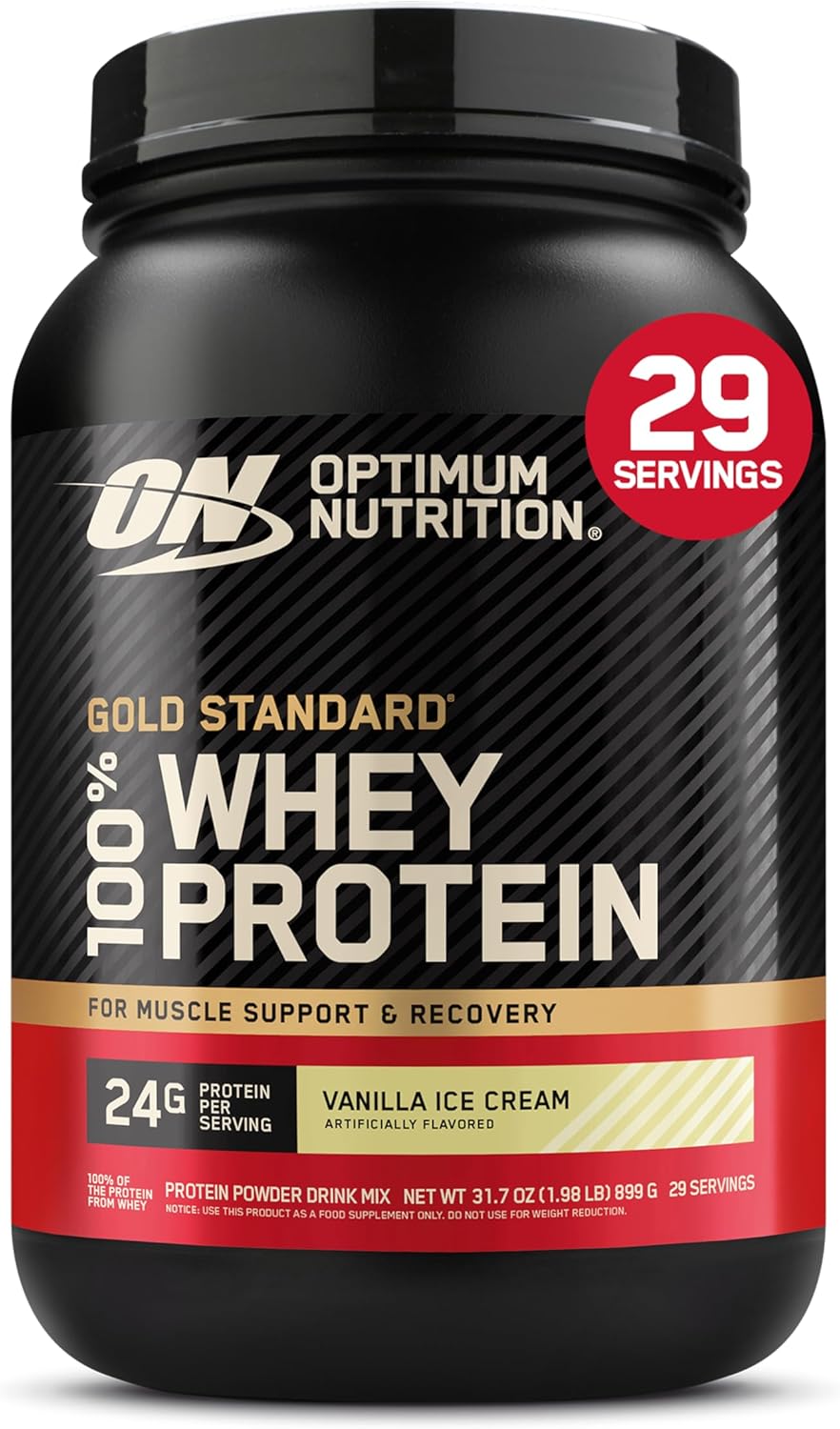
Gold Standard 100% Whey Protein Powder
✓prime100% of the protein from whey for a fast-absorbing, complete protein source that supports muscle maintenance and growth.
$45.79 from AmazonAs an Amazon Associate, we earn from qualifying purchases.
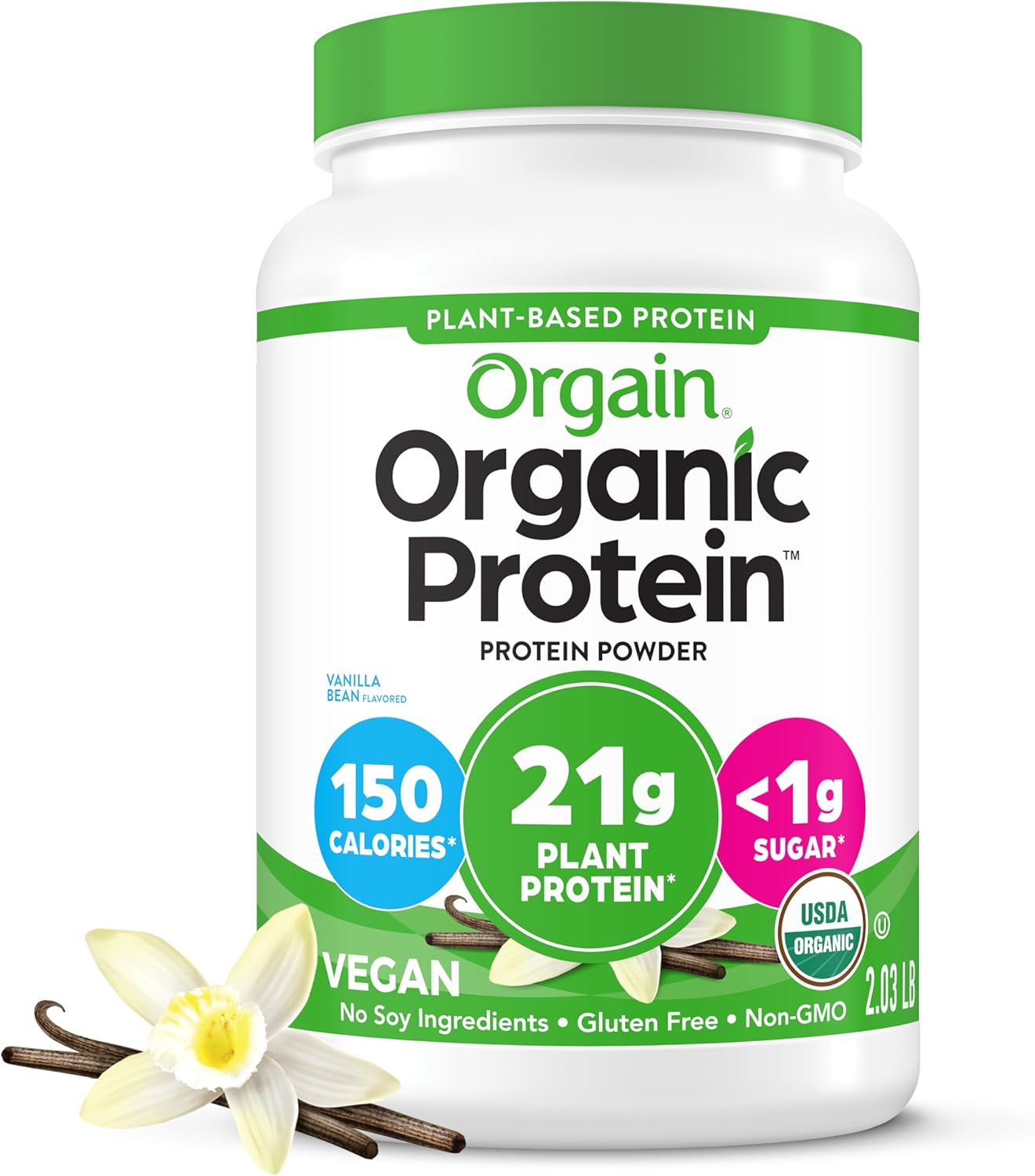
Orgain Organic Vegan 21g Protein Powder
✓primeOur protein blend contains Organic peas, brown rice & chia seeds with all 9 essential amino acids
$45.79 from AmazonAs an Amazon Associate, we earn from qualifying purchases.
Omega-3s help reduce inflammation and support joint health. This can be particularly beneficial for runners dealing with repetitive impact.
Sources include fatty fish, flax seeds, chia seeds, or supplements if needed.

Ultimate Omega, Lemon Flavor, 1280 mg Omega-3
✓primeThis formula meets the daily recommended dose suggested by the American Heart Association to support heart function
$33.75 from AmazonAs an Amazon Associate, we earn from qualifying purchases.
Curcumin, the active compound in turmeric, has anti-inflammatory properties. It can support recovery and help manage post-run soreness.
Adding turmeric to meals is often enough, but supplements are available for higher doses.
Strong bones are non-negotiable for runners. Calcium supports bone density and muscle function, reducing the risk of stress fractures.
Dairy products, fortified plant milks, and leafy greens are excellent sources, with supplements as a backup if intake is low.
Collagen supports connective tissues like tendons and ligaments. For runners dealing with joint stiffness or higher training loads, it may help maintain structural resilience.
Its benefits are still being researched, but it’s increasingly popular among endurance athletes.
Vitamin D plays a role in bone health, immune function, and muscle performance. Many runners, especially in less sunny climates, are deficient without realizing it.
Supplementation is often recommended, particularly during winter months.
You’ll likely encounter supplements like BCAAs, beta-alanine, or CoQ10. While some have specific use cases, their benefits for most runners are limited or inconsistent.
For example, beta-alanine may help with short, high-intensity efforts but offers little advantage for typical running distances. Similarly, BCAAs are often unnecessary if your protein intake is adequate.
In most cases, these fall into the “nice to have, but not essential” category.
It’s tempting to look for performance in a capsule. But the real foundation of running performance remains simple:
Supplements can support these pillars, but they cannot replace them.
A bowl of oatmeal with fruit, a well-balanced meal after a run, or a simple snack at the right time will do more for your running than most powders on the market.
Start your running journey today!
No spam. Cancel anytime.