Prime Minister Andy Burnham finished the 2026 Great North Run in 1:57:34, becoming the first sitting PM to race it. Here is his time, his charity, and what it took.
On Sunday morning in Newcastle, a sitting British Prime Minister pinned a race number on a pink charity vest and toed the line of a half marathon.
He did not fire the starting gun. He did not wave off the elites and slip back into a car. He ran the whole thing.
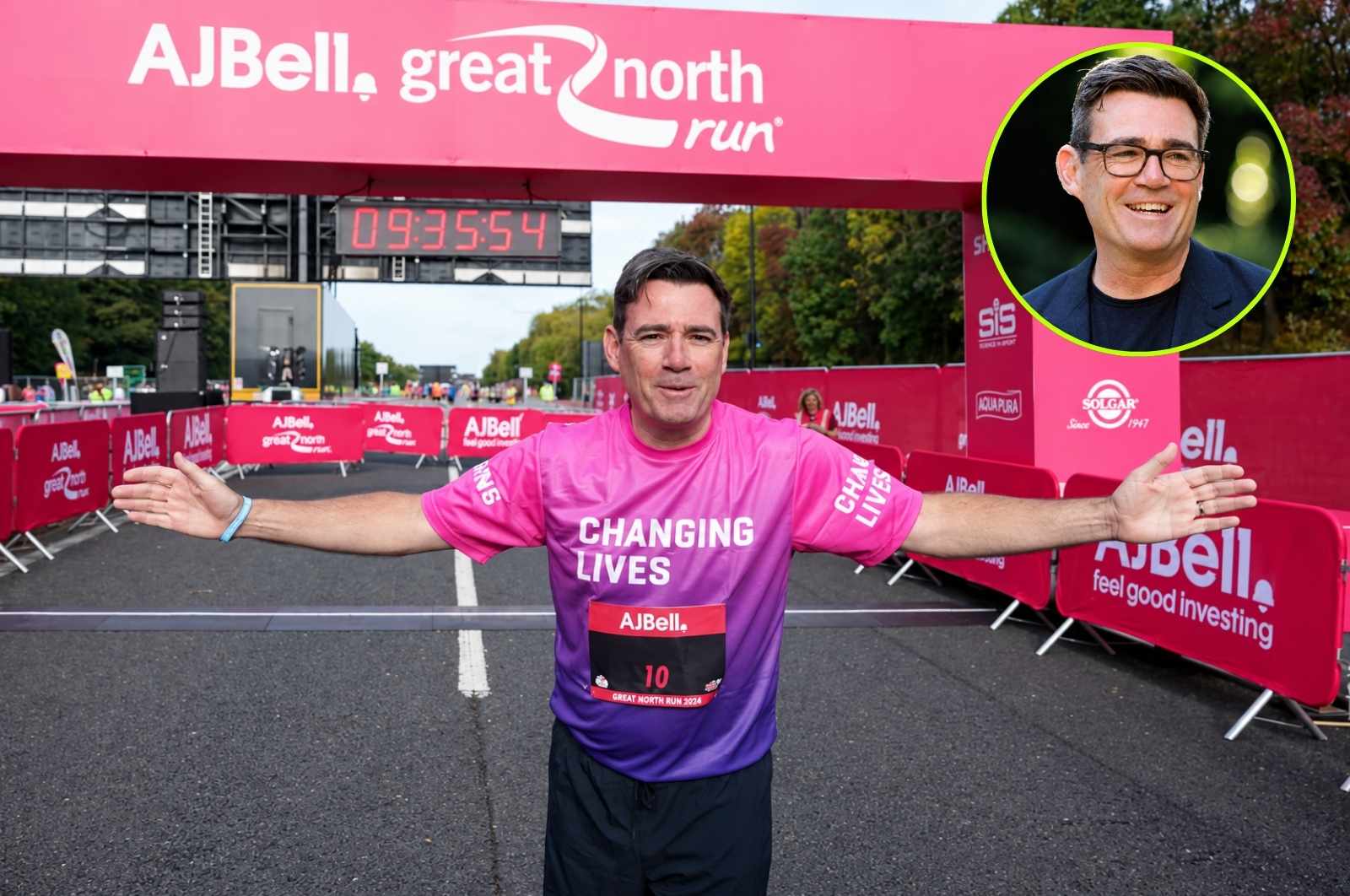
Andy Burnham finished the 2026 Great North Run in 1 hour, 57 minutes, and 34 seconds, becoming the first serving Prime Minister to complete the race in its 45 editions. He crossed the line in South Shields wearing a bright pink Changing Lives shirt with the number 10 pinned to the front. The number was a nod to Downing Street, and the vest was for a homelessness charity that started on Tyneside.
A Sub-Two Half Marathon While Running the Country
For most weekend runners, going under two hours for 13.1 miles is a landmark. It sits just north of a nine-minute-mile pace across the full course.
Getting there requires months of consistent training, a taper, a plan for pacing, and a race day where nothing goes badly wrong.
Burnham hit it while holding the top job in British politics.
His time of 1:57:34 was only a few minutes off his personal best on the same course. He put his previous best at 1 hour 53 minutes in the same race.
He described this year as the best Great North Run he has done, in an interview at the finish.
The Context: PMs Show Up. They Do Not Race.
Prime Ministers have shown up at the Great North Run before. They have never raced it.
Tony Blair started the 2008 edition after he had already left office. This year the gun was fired by Newcastle United captain Dan Burn.
Burnham was somewhere in the pack behind him, in a corral with everyday runners.
He is not a stranger to the start line, either. He ran the Boston Marathon in April 2019, in memory of the victims of the 2017 Manchester Arena bombing.
He put that first marathon at 4 hours 28 minutes. He told the Greater Manchester Combined Authority beforehand that it would be his last marathon.
Sunday was a half. And by the way he was talking at the finish, it will not be his last one of those.
Why He Ran, and Where the Money Went
This was not a photo opportunity for its own sake. He was raising money for Changing Lives, a homelessness charity founded on Tyneside as the Cyrenians and rebranded to its current name in 2013.
The charity now operates across the North East, Yorkshire, Merseyside, and the Midlands. It runs supported housing, women’s services, and outreach for people sleeping rough.
Burnham had visited one of its Newcastle projects, Alex’s Place, three weeks earlier, alongside housing secretary Angela Rayner.
He has also been giving the charity a share of his Prime Minister’s salary since taking office, starting with fifteen percent of his first month’s pay.
The Personal Angle Behind the Vest
In a statement before the race, he called tackling homelessness a moral mission. He tied it back to a promise he made on his first day in office: to end rough sleeping.
Running for a cause is what half marathon fields look like now. The Great North Run raises somewhere near forty million pounds for charity most years.
What made this one different was that the person out front, physically, was the one signing the government’s cheques.
The Biggest Great North Run in History
The record-breaking field around him was the other story.
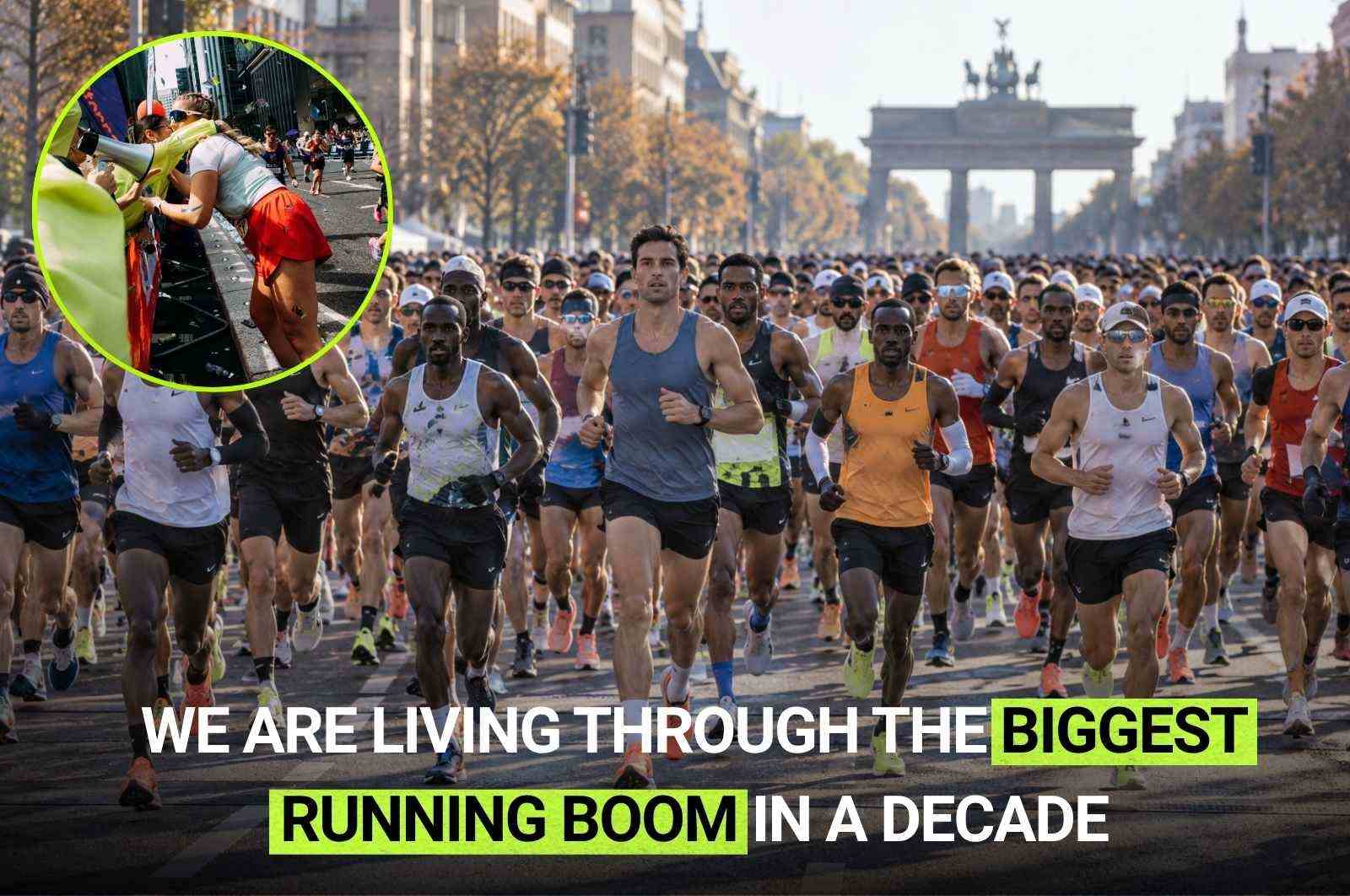
63,000 people entered the 2026 Great North Run. That is the biggest field the race has ever taken, in a race that already regularly claims the title of the world’s largest half marathon.
For context, the first edition in 1981 drew 12,264 runners. The event has more than quintupled since then.
The Elite Story You Might Have Missed
The elite races finished long before Burnham did.
Zouhair Talbi took the men’s title in 59:47, which is the kind of pace that reduces the average recreational finisher to open-mouthed maths. Brigid Kosgei won the women’s race in 1:06:15, with Eilish McColgan withdrawing injured before the start.
Both wins slot into a familiar pattern in East African distance running. Neither will draw a national newspaper front page.
That real estate went to the man in the pink vest.
What a Sub-Two Actually Takes
If you are reading this and thinking the same finish might be within reach, the honest answer is: probably, with a plan.
Going under two hours for a half marathon means holding somewhere around 9:00 to 9:10 per mile for 13.1 miles.
That is a brisk running pace, not a sprint, but you cannot do it on will alone. You get there by mixing steady mileage with tempo work and a long run that reaches the middle-teens.
For a step-by-step build, this 12-week sub-two-hour plan lays out the sessions and the progression that gets most runners there. The Charity Angle Is Not a Gimmick
One more thing that gets lost in the Prime Minister headline.
A very large share of that 63,000-strong field ran for a cause. Half marathons remain one of the most effective fundraising formats in the world, precisely because the distance is hard enough to earn a donation and reachable enough to attract non-runners.
That is the flywheel Burnham stepped into on Sunday. He borrowed the attention that comes with the job, put it on a Tyneside homelessness charity for the length of a race broadcast, and ran the 13.1 miles that come with the deal.
The Line He Had Already Said Out Loud
A detail worth remembering from before he took office: he had told his own combined authority that his 2019 Boston Marathon would be his last marathon.
On Sunday he told reporters at the South Shields finish that he would keep coming back to the Great North Run as long as they will have him. Whether he keeps the marathon promise is a separate question.
On the half, at 55, in front of a home crowd and a live BBC audience, he has just built a bar it will be hard for the next serving Prime Minister to clear.