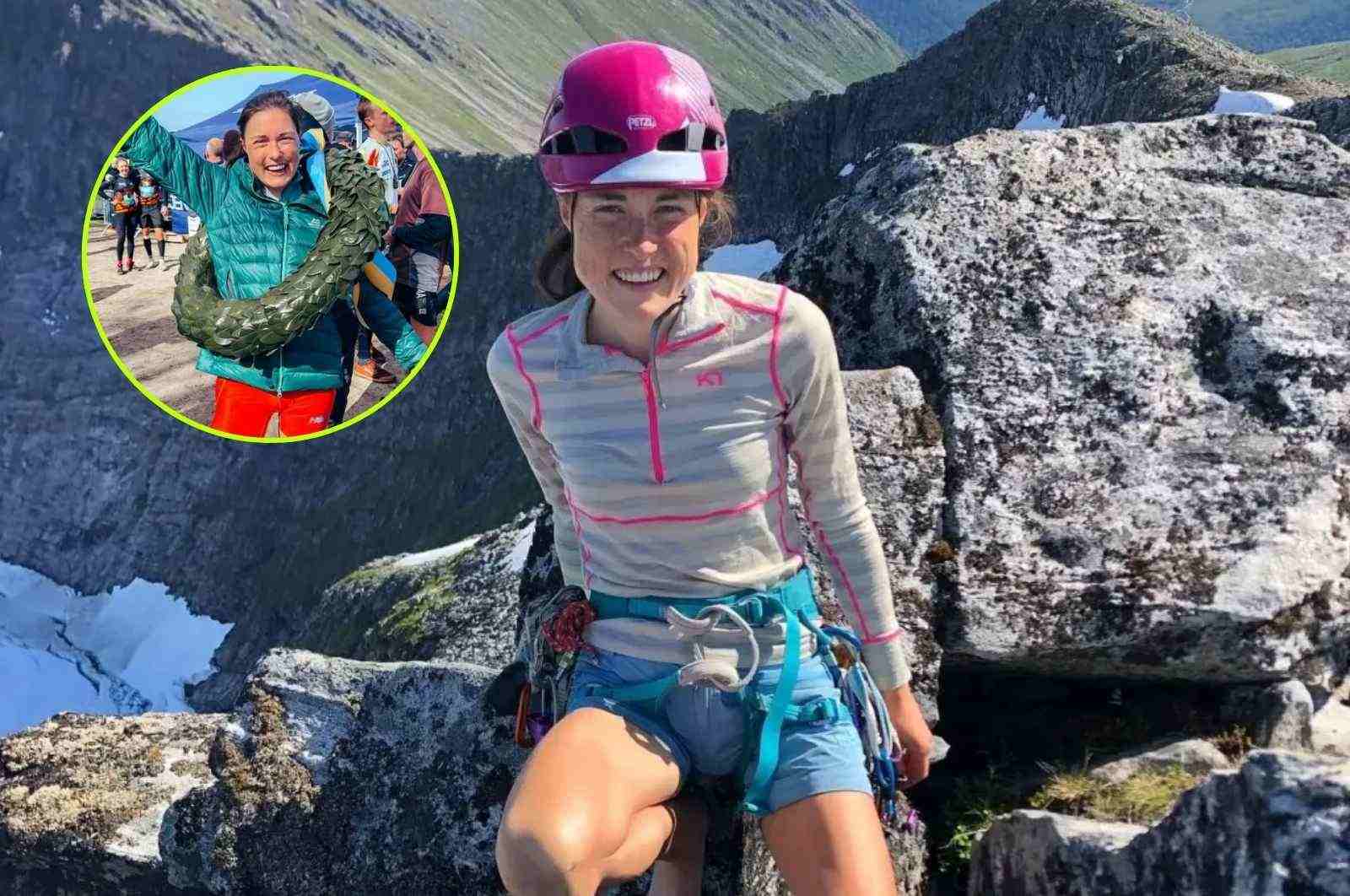
Norwegian Trail Star Ida Amelie Robsahm Dies at 30 in Fall on Romsdalseggen Ridge
Norwegian trail runner Ida Amelie Robsahm, fifth at the OCC just weeks earlier, died after a fall on the Romsdalseggen ridge in western Norway. She was 30.

Benny Blanco ran a half marathon on a few hours of sleep and zero training. Here is what actually happens to a body that runs 13.1 miles cold.
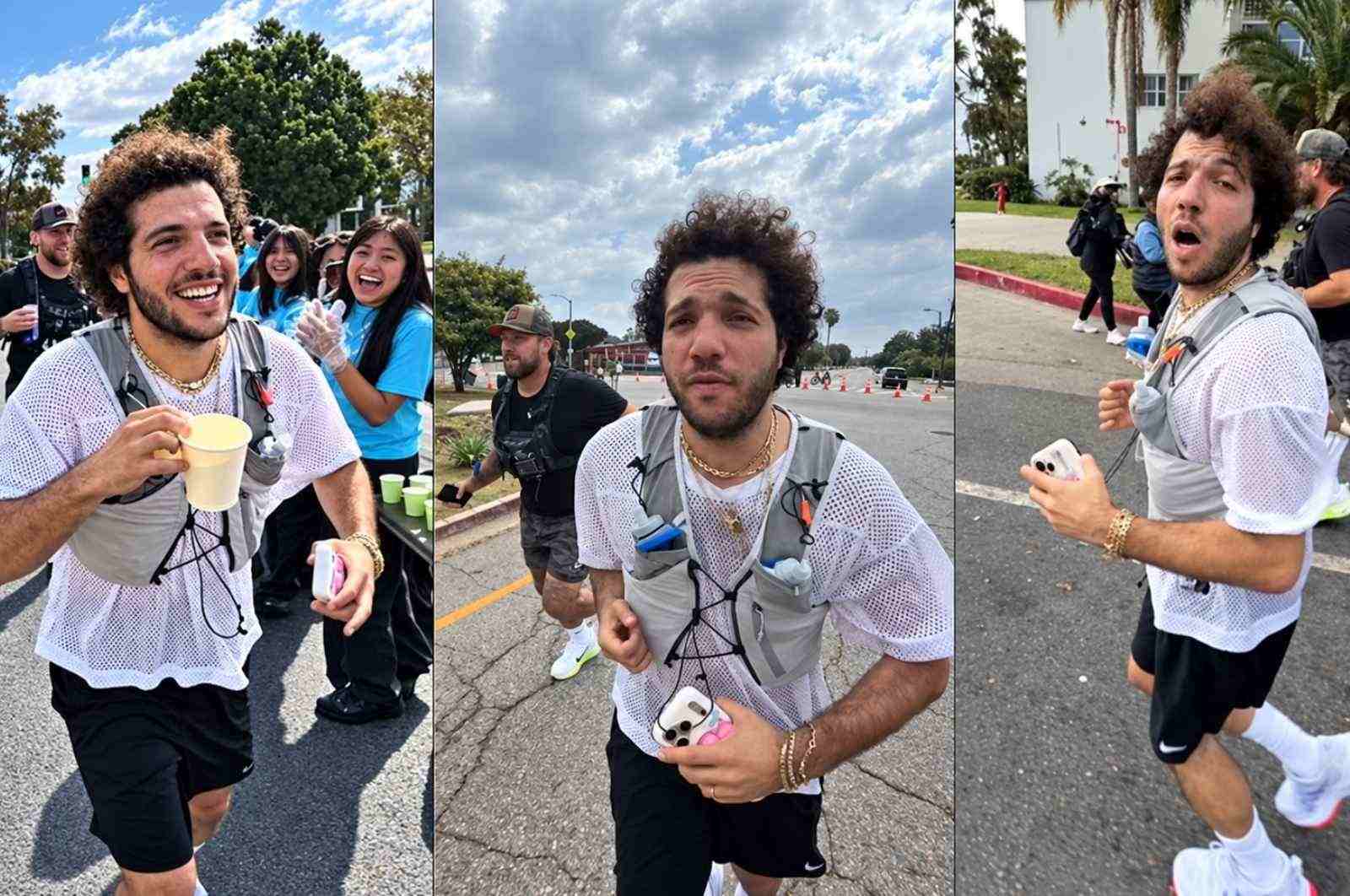
Benny Blanco, the Grammy-nominated producer married to Selena Gomez, showed up to a half marathon on a few hours of sleep and zero training, and crossed the finish line with a medal around his neck.
He posted the moment to his Instagram, complete with the sort of vocabulary you would expect from a man discovering mile 11 in real time.
The news is small, the story underneath it is not.
This is the same Benny Blanco whose second book, F*CK FAILURE, hits shelves in September 2026.
The half marathon looks a lot like a chapter he decided to test in public before the book even landed.
Two things can be true at once.
The first is that running a half marathon on no training and no sleep is a bad idea for almost everyone. The second is that Blanco pulled it off, and there is a physiology story worth pulling apart.
The reporting confirms the outline. Blanco signed up with only a few hours of sleep and no training, in his own words on the platform where the moment was posted.
His friends did not think he would finish. He finished anyway.
For anyone now wondering whether to try the same thing, the answer sits in what actually happens to an untrained body over 13.1 miles.
Almost anyone with basic cardiovascular health can jog three miles, especially with adrenaline and a race crowd carrying them along. The heart rate elevates, breathing steadies, and legs feel light.
This is not a sign of fitness. It is a sign that your body has glycogen available and the effort is still aerobic.
The trap is that first-timers read this feeling as proof they are ready for more.
They are not. They are riding a fuel tank that has a hard bottom.
A trained runner has taught the body to spare glycogen and burn a mix of fat and carbohydrate. An untrained runner burns through glycogen fast, particularly at anything above a shuffle.
When those stores drop, pace collapses.
A peer-reviewed review in the National Library of Medicine explains that muscle glycogen depletion is the main driver of endurance fatigue, and that recovery from that depletion depends heavily on carbohydrate intake in the hours after.
That is why the wall exists.
By mile 10 in an untrained body, the legs are protesting, the stomach is unpredictable, and the brain is running the negotiation. This is where the finish gets decided.
For a producer whose whole career is built on holding out for a hook when everyone else has quit the session at 2 in the morning, this is familiar terrain.
The mental muscle is transferable. The physical one is not.

Picture from David Fisher / Shutterstock
The public loves an untrained finish because it looks like permission.
If a music producer with no running background can do it, so can you. That is the story people want to hear.
The subtext of F*CK FAILURE is that failure is the compound interest of success.
Signing up for a half marathon with no training is a controlled way to court failure and publish the result either way. Blanco won this one, but he might not have.
This kind of impulsive, late-night decision to race a distance is not new.
The community around the sport has always had space for the unprepared underdog who somehow gets it done.
The sport rewards showing up.
The safer version of Blanco's stunt is to give the distance the respect it deserves.
Most first-timers who follow a proper half marathon training plan finish faster, feel better, and recover in days rather than weeks.
Eight weeks is the shortest realistic window from couch to a completed half marathon, and only if you can already run three to five miles comfortably.
From true zero, twelve to sixteen weeks is closer to honest.
Discover the authentic training methods of Kenyan runners and start improving your running faster than you ever thought possible.
Learn More About The Method →Limited-time reader discount available
The long run is where the body learns to burn fat and spare glycogen. Skip it and you will meet the wall exactly where Blanco probably met his.
If you are already training, the mistakes to avoid on long runs are worth committing to memory before the peak weeks.
The little-known secret about race-eve sleep is that most runners sleep badly the night before, and it barely affects them.
The sleep that matters is the two weeks before that. Blanco caught the front edge of that principle by accident, so do not test it on purpose.
Benny Blanco crossing that finish line is a small miracle of adrenaline, ego, and a healthy heart. It is not a training plan.
If the story pushes you to sign up for a race, sign up for one.
Then treat the distance seriously enough that your finish photo shows a smile instead of the specific facial expression of a man who just found out what mile 11 is.
The rest of what to know before your first big race should be the second article you read this week.
Blanco got the finish. Give yourself the training.
Both make for good stories, but only one of them lets you race again a month later.
Start your running journey today!
No spam. Cancel anytime.