Download our Free 8-Week Plan here →

Ultrarunner Pablo Espinosa Was Sent Home to Die. He Chose Clinical Trials, and He Is Still Lacing Up

July 23, 2026

Ultrarunner Pablo Espinosa was placed in palliative care after a stage-four cancer diagnosis. He is now in an experimental trial, and his message is one line: one step at a time.

Pablo Espinosa turned 46 on the sixth of January. Nothing about that birthday felt routine.

By the end of the week, he was hospitalised. Within days, he had a diagnosis of colon cancer.

Further tests brought worse news: advanced cancer had also been found in his stomach, kidneys and abdomen.

The Runner You May Not Have Heard Of

Espinosa is not a household name in North American running.

Inside the small, obsessive world of unsupported multi-day ultras, he is.

Originally from Argentina and now based in St. Polycarpe, Quebec, he has built his reputation on going long without crew, without official support, and without much fuss.

A resume built one lap at a time

Espinosa ran his first marathon at Montreal in 2008. From there he moved deeper into ultra territory.

In 2025 he finished tenth overall at the Jackpot 48-hour ultra in Henderson, Nevada. In 2024 he was fourteenth at Across the Years, a six-day race in Arizona.

He won the Hainesport Endurance 48-hour race outright. Road, track, treadmill, he has raced on all of them.

What Happened Next Was Not Meant to Be a Comeback Story

The oncology board that saw his imaging in January made a first-pass judgement.

The disease had already progressed to a stage where standard treatment was not indicated. He was placed under palliative care only.

That is a clinical way of saying: we are managing symptoms, not fighting the disease.

For an ultrarunner whose entire career had been about outlasting the reasons to stop, it was a diagnosis unlike any race.

Then the trial door opened

After weeks of uncertainty, prayer, and community mobilisation, Espinosa was accepted into an experimental clinical trial.

The doctors will try new therapies and monitor how his body responds.

That single decision changed the frame from end of life back to race in progress.

His public message about it, translated from his Instagram announcement, was five words long: one step at a time.

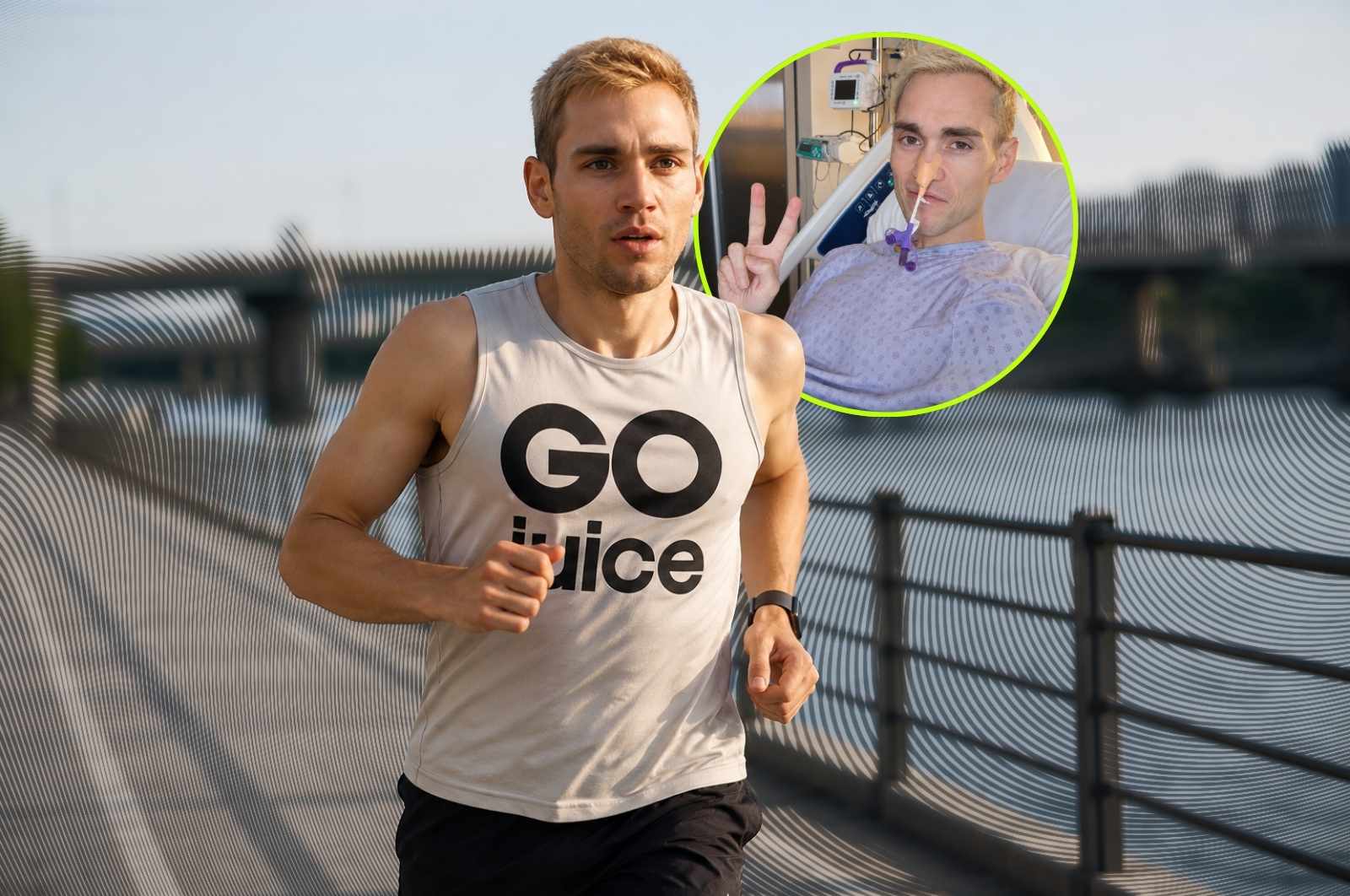
The story was first reported in detail by Canadian Running Magazine.

Talha Blogs Template (5).jpg

What Running Does When Everything Else Stops

You do not read a story like this for training tips.

You read it because it reframes what running is for.

A tool for staying present

The one thing every serious ultrarunner will tell you, sooner or later, is that the sport teaches you to stop projecting the finish line.

You get to the finish by being at the next aid station. Then the next one.

When the future turns into a set of medical appointments, that skill is not just poetic. It is portable.

A community that shows up

The ultra community moved fast when the news broke. A GoFundMe was set up within days.

Runners who had raced with Espinosa in the desert flew in to see him. Others sent messages from every continent.

This is the pattern the running world does well. See our piece on how to make a running comeback after taking time off for the training side of returning after any long forced break.

A reason to lace up on days you do not want to

Not every day of chemotherapy is a running day. That is not the point.

The point is that lacing up on the days you can is a small vote for continuing.

What This Story Actually Asks Us To Do

It is easy to read a story like this and admire it at a distance.

The better response is a small one, made now.

Do the medical check you have been putting off

Espinosa went in for what he thought was a routine colonoscopy after birthday symptoms.

For anyone over 40 who runs, screening catches the things that outrunning them never will.

Say the thing to the runner who inspires you

People assume the athletes they follow know they are watched. They usually do not.

A short message means more than a like.

Value durability, not just speed

Our piece on durability, not speed, being the real weapon in ultramarathons covers the training side of this idea.

The life side is the same lesson: the ability to keep showing up, over years, beats bursts of intensity every time.

A career built on a small daily deposit compounds in ways a single big push never does.

That is true for training. It turns out to be true for a diagnosis too.

Learn the Training Secrets of Kenyan Runners

Learn the Training Secrets of Kenyan Runners

Discover the authentic training methods of Kenyan runners and start improving your running faster than you ever thought possible.

Learn More About The Method →

*Limited-time reader offer available

The Bigger Picture

Espinosa's outcome is not written.

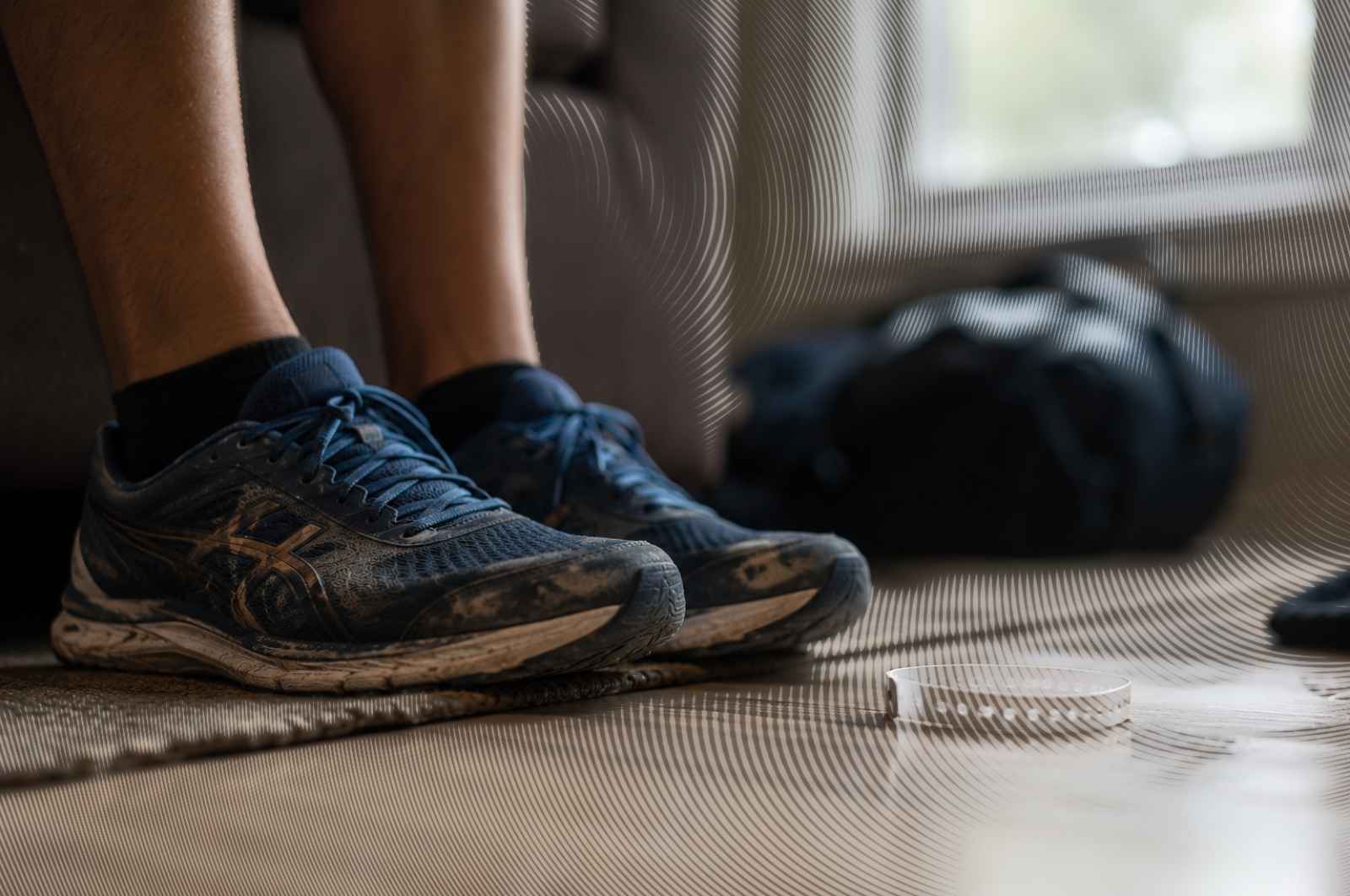
He is still training in the ways he can. He is still lacing up.

The lesson is not that running cures cancer. Nothing on the internet should ever suggest that.

The lesson is that the mental skills built by long, unsexy, unwitnessed miles are the exact skills a serious diagnosis demands.

You show up. You stay in this hour.

You do not fight the whole race at once.

One step at a time.

That is a five-word training plan for the hardest year of anyone's life.

Join The Conversation