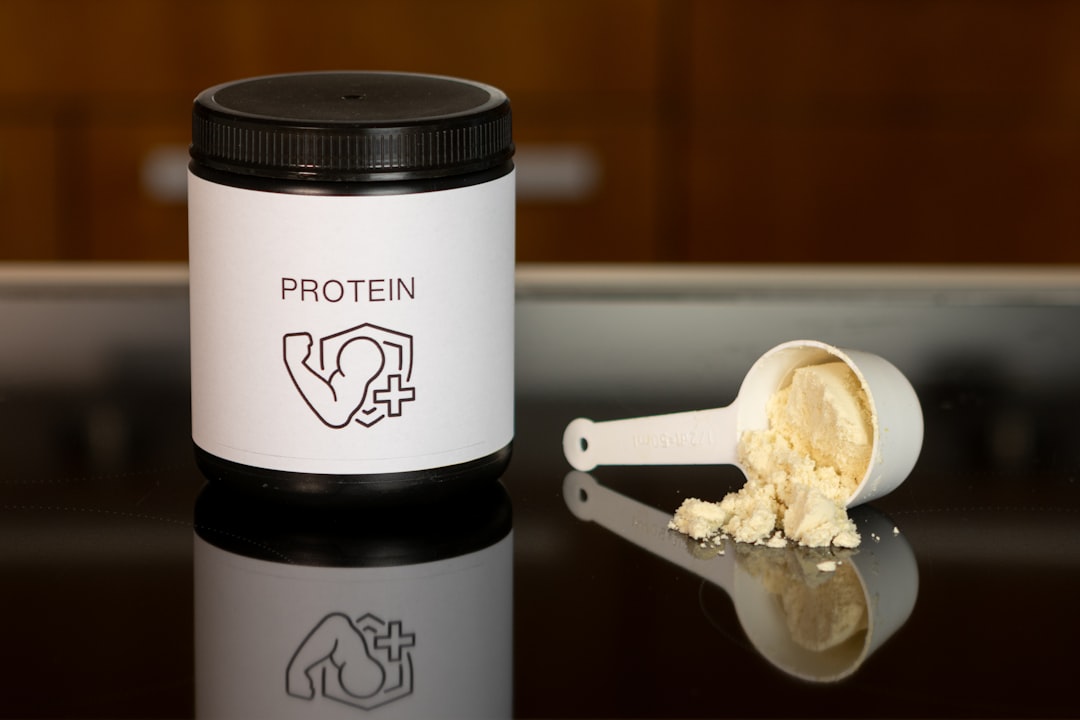
Are Protein Supplements Really Necessary for Distance Runners?
Protein is important for distance runners, but protein supplements are not a must-have.

Learn exactly what to eat before a half marathon, from race week to the start line, with a simple fueling and hydration plan to help you run.

You can train for months and still undo all of it in the final 48 hours. More often than not, the reason is fuel.
The good news is that race-week eating is not complicated. It just needs a little planning, the same way your training did.
Get it right and you reach the start line with a full tank, a calm stomach, and the energy to finish strong. Get it wrong and the wall can show up around mile 9.
Here is exactly what to eat before a half marathon, from the week of the race to the moments before the gun goes off.
A half marathon is 13.1 miles, or 21.1 kilometers.
For most runners, that means somewhere between 90 minutes and two and a half hours of steady effort.
That puts it firmly in endurance territory, where your fuel supply becomes a real limiting factor.
Your muscles and liver store carbohydrate as glycogen, and that glycogen is your fastest, most accessible source of energy.
During a hard half, you burn through it steadily. When the tank runs low, your pace drops, your legs turn heavy, and your brain starts negotiating.
Runners call that moment hitting the wall. Smart pre-race eating is how you push it as far away as possible.
Topping off those stores before the race is the whole point of carbohydrate loading, a well-studied strategy for endurance events that simply means filling your glycogen tank to the top before you start.
Race week is not the time for a dramatic diet overhaul. Your gut likes routine, and surprises rarely end well on race day.
For the first few days of the week, eat the way you normally do in training. Keep your meals balanced and familiar.
This is when carb loading actually begins. The aim is to gently shift more of your plate toward easy carbs while keeping portions sensible.
Think rice, pasta, potatoes, oats, bread, and fruit. You are not force-feeding yourself, just leaning carb-heavy at each meal.
It is completely normal to gain a pound or two during this phase. That is water bound to stored glycogen, not fat, so stay off the scale and trust the process.
High-fiber foods are great most of the time, but they can leave you bloated or hunting for a bathroom on race morning.
In the day or two before the race, go easy on large salads, beans, bran, and raw vegetables. Choose lower-fiber carbs that digest quickly instead.
Forget the giant pasta-and-breadsticks feast. A massive dinner often leaves you feeling heavy and restless the next morning.
Aim for a moderate, carb-focused meal that you have eaten before, like chicken with white rice, a simple pasta, or salmon with potatoes.
Keep it lower in fat and fiber, and stop eating early enough to digest before bed. Sip water through the evening rather than gulping it all at once.
If you want a fuller plan for race-week energy, the guide on how to fuel your training and racing walks through it in more detail.

Race morning is different from a normal training run. You will likely be awake, a little nervous, and moving around for two or three hours before you actually start.
That long gap means breakfast matters, and so does a small top-up closer to the start.
Try to eat your main pre-race breakfast about two to three hours before the start. That gives your body time to digest and turn the food into usable energy.
Set the alarm a little earlier if you have to. A rushed, last-second breakfast is harder on your stomach than an early wake-up call.
Keep it simple, high in carbs, and low in fat and fiber. A few reliable options:
A useful target is roughly half a gram to one gram of carbohydrate per pound of body weight, but let your training tell you what your stomach can actually handle.
The golden rule is nothing new on race day. Every food here should already be tested on your long runs.
Because there is such a long gap between breakfast and the gun, a small carb snack right before you start can make a difference.
Around 15 to 30 minutes out, try an energy gel, a few chews, or half a banana. That is roughly 30 grams of quick carbs to keep your tank full.
If you use caffeine, this is a common time to take it. It usually peaks in your system about 45 minutes later, right when the early miles start to bite.
Showing up dehydrated will cost you, no matter how well you carb loaded.
In the day before and the morning of, sip fluids steadily rather than gulping large amounts at once. Aim for pale yellow urine, not a stomach full of sloshing water.
Adding sodium helps your body hold onto that fluid so you start the race well hydrated. Getting the right electrolyte balance matters even more in heat or humidity.
A new gel flavor, an unfamiliar breakfast, or a tempting expo snack can all backfire. Stick to what your gut already knows.
More food does not mean more energy. It usually means a heavy, restless night and a sluggish start.
Even if nerves kill your appetite, eat something. This is your last chance to top off glycogen before the effort begins.
Pre-race nutrition is not about a secret superfood. It is about giving your body familiar, easy carbs at the right times so it can do what you trained it to do.
Practice your fueling on long runs, keep race week boring, and arrive at the start line light, hydrated, and full of energy.
Do that, and 13.1 miles has a much better chance of becoming your best race ever.
Every runner is a little different, so treat this as a starting framework and fine-tune it to your own stomach and goals.
Start your running journey today!
No spam. Cancel anytime.