.webp)
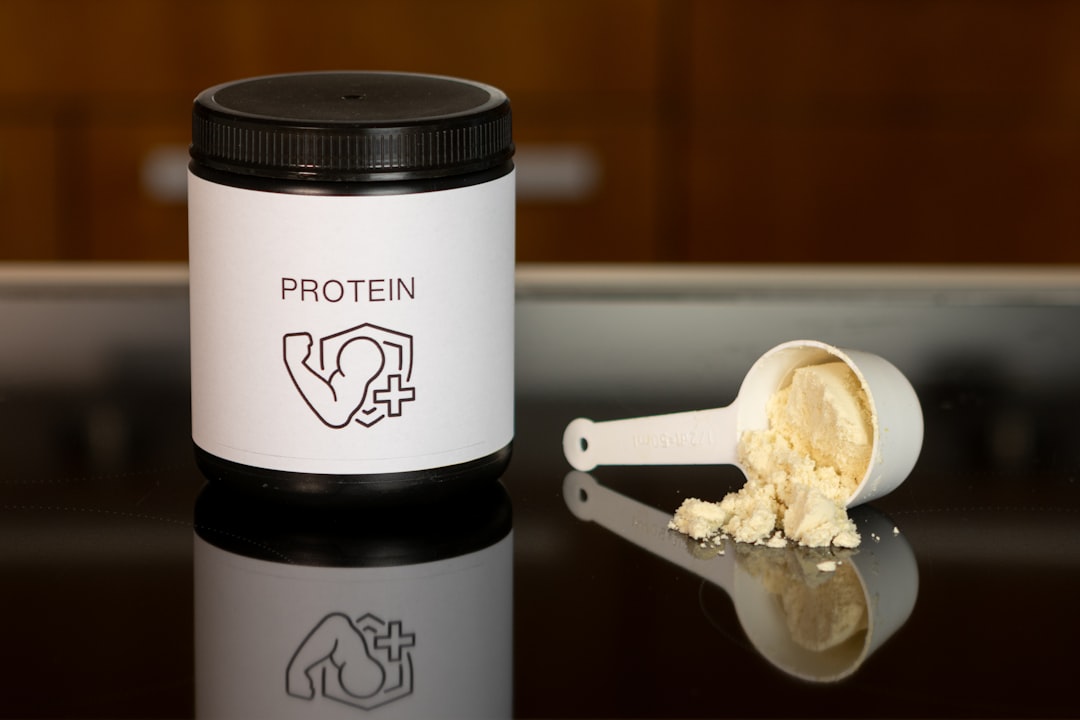
Are Protein Supplements Really Necessary for Distance Runners?
Protein is important for distance runners, but protein supplements are not a must-have.

You finish a long run soaked in sweat, legs heavy, and reach for something to drink. Most runners default to plain water or a neon sports drink loaded with sugar but…

Coconut water is not a trend. It is a recovery drink backed by a solid nutritional profile, and once you understand what it does inside your body during and after exercise, you may never look at it the same way again.
Sports drinks were engineered in a lab to replicate what the body loses during sweat. Coconut water does the same thing, except it was engineered by nature.
A single cup (240 ml) of plain coconut water contains roughly 600 mg of potassium, 252 mg of sodium, 60 mg of magnesium, and around 45 calories.
Compare that to a typical sports drink, which often packs in 34 grams of sugar, artificial colouring, and flavours that do nothing for your muscles.
Coconut water gives you real electrolytes without the sugar spike.
It is lower in calories, free from artificial ingredients, and hydrates your tissues faster because of the natural balance of minerals it carries.
Electrolytes are charged minerals that govern how your muscles contract, how your nerves fire, and how your cells hold water. Every time you sweat, you shed them.
Potassium is the one most people are deficient in, and it is the electrolyte most directly linked to muscle cramps.
One cup of coconut water delivers more potassium than a banana. Sodium, magnesium, and calcium round out the profile, making coconut water a surprisingly complete replenishment drink.
If you want a deeper breakdown of what electrolytes do for runners specifically,the guide on best electrolyte supplements for running covers the full science in detail.
Not all hydration drinks are created equal.
Here is exactly why coconut water earns a spot in your running routine, whether you are training for a 5K or building up for a marathon.
Plain water rehydrates you, but it does not replace what you lost. When you sweat heavily, you lose electrolytes that pull water into your cells.
Drinking plain water without those minerals can actually dilute your blood sodium, causing a condition called hyponatremia that can leave you feeling worse after a long effort.
Coconut water restores the electrolyte balance first, which then helps water move into the right places.
A 2012 study published in the Journal of the International Society of Sports Nutrition found that coconut water was just as effective as a commercial sports drink for rehydration after exercise-induced dehydration.
Muscle cramps during a run are usually a sign that something is off with your electrolyte balance, most often potassium or magnesium.
Coconut water is one of the richest natural sources of potassium available, delivering nearly 17% of your daily recommended intake per cup.
Drinking it before a long run, or sipping it in the hour after, significantly reduces the chance of cramping in subsequent efforts. Many runners who switch from plain water to coconut water report noticeably fewer mid-run cramps within a few weeks.
Recovery is not just about sore muscles. It is about your cardiovascular system, your connective tissue, your immune function, and your sleep. Coconut water contains natural antioxidants, including cytokines, which help reduce oxidative stress caused by hard training.
It is also mildly anti-inflammatory, which means it can support the recovery process at a cellular level. Pair a glass of coconut water with a protein-rich meal after a long run and you give your body a strong start on the rebuilding process.
For a complete look at what to take after hard training, check out the best supplements for Runners.
Many runners have experienced the uncomfortable reality of drinking a thick, sugary sports drink mid-run. The stomach sloshes, the sweetness becomes nauseating, and suddenly you are managing digestion instead of pace.
Coconut water is light, slightly sweet, and remarkably easy to digest. Its natural sugar content is low enough to avoid a glucose spike, while its liquid consistency makes it move through the stomach quickly. This makes it particularly useful during longer efforts when you need to top up fluids without upsetting your gut.
Endurance training puts sustained stress on your cardiovascular system. High potassium intake is directly associated with lower blood pressure, as potassium helps your kidneys excrete excess sodium and relaxes blood vessel walls.
Regular coconut water consumption has been shown in research to modestly reduce systolic blood pressure in people with hypertension. For runners who already maintain a healthy heart, it supports that work without any pharmaceutical intervention.
You do not need a lot of carbohydrates during short runs, but on efforts lasting over an hour, a small hit of fast-digesting sugar can help sustain your pace. Coconut water contains around 9 grams of natural sugar per cup, just enough to give your muscles a gentle top-up without the blood sugar rollercoaster of a gel or sugary drink.
It is not a replacement for proper race-day fuelling, but as a supplemental drink during medium-length training runs, it hits a sweet spot between plain water and a full carbohydrate supplement.
Calories: ~45
Potassium: ~600 mg (17% DV)
Sodium: ~252 mg
Magnesium: ~60 mg
Natural sugars: ~9 g
Fat: 0 g | Cholesterol: 0 g

Zico 100% Coconut Water (No added Sugar)
✓prime100% pure coconut water crafted with only 1 ingredient and NO added sugars
$19 from AmazonAs an Amazon Associate, we earn from qualifying purchases.
Timing matters as much as what you drink. Here is how to work coconut water into your routine for maximum benefit.
Drink 200-300 ml of coconut water 30 to 45 minutes before a hard session or long run.
This pre-loads your electrolyte stores so you begin hydrated and reduces the likelihood of cramping in the final miles.
Avoid drinking it right before you start. Like any liquid on a moving stomach, it needs time to absorb.
For runs under 60 minutes, water is enough. For runs over 60-75 minutes, coconut water becomes useful as a hydration option at aid stations or carried in a soft flask.
Sip it every 20-25 minutes rather than drinking large amounts at once.
On very hot days, increase your intake. Heat accelerates sweat rate dramatically, and the electrolytes in coconut water help offset what you lose faster than water alone.
This is where coconut water really shines. Drink 300-500 ml within 30 minutes of finishing a hard run.
The electrolytes replenish what you lost, the natural sugars help kick-start glycogen restoration, and the liquid volume begins the rehydration process immediately.
Pair it with a meal or snack that includes protein and you have an effective post-run recovery window without spending money on expensive protein-electrolyte blends.
Fresh coconut water, cracked from the fruit itself, is as good as it gets. The nutrient profile is intact, there are no additives, and the taste is clean and natural.
Packaged coconut water varies significantly by brand. Look for options that contain no added sugar, no concentrates, and minimal processing. Ultra-high temperature (UHT) pasteurization can degrade some of the antioxidants, so fresh-pressed or high-pressure processed (HPP) varieties are preferable where available.
Some flavored coconut water products add enough sugar to make them functionally equivalent to a regular sports drink. Always check the label and aim for 100% pure coconut water with no added ingredients.
For most runners, coconut water is an excellent natural choice. But there are a few things worth noting.
For the majority of recreational runners training for 5Ks, 10Ks, half marathons, and even full marathons, coconut water fits naturally into a well-rounded nutrition strategy.
Coconut water has been studied for hydration, blood pressure, and antioxidant activity. The results are generally positive, though researchers are careful to note that benefits are modest and context dependent.
A 2012 study in the Journal of the International Society of Sports Nutrition found that coconut water replenished exercise-induced fluid losses just as effectively as a carbohydrate-electrolyte sports drink, with less nausea and no stomach upset. A separate review in Molecules (2021) highlighted coconut water's cytokinins and L-arginine content as contributors to cardiovascular and anti-inflammatory benefits.
For a deeper dive into the peer-reviewed research, the National Institutes of Health database contains multiple studies on coconut water's hydration and health effects.
The science is not suggesting that coconut water is a miracle drink. What it does show is that it is a genuinely effective, natural alternative to manufactured hydration products, particularly for moderate-intensity exercise.
Running is a sport that rewards the small habits. The choice you make about what to drink after a long run might seem minor, but over weeks and months of training, those habits compound.
Coconut water gives you real electrolytes, natural hydration, and easy digestibility in a single drink. It fits seamlessly into pre-run, mid-run, and post-run routines. It is gentler on your gut than most sports drinks and does not come loaded with artificial ingredients.
If you have been relying on plain water or sugary sports drinks, try replacing your post-run recovery drink with coconut water for two weeks. Pay attention to how your energy levels feel, whether cramping reduces, and how quickly you feel ready to run again. The results may speak for themselves.
Running is already a commitment to taking care of your body. What you put into it after every mile is part of that same commitment.
Start your running journey today!
No spam. Cancel anytime.