.webp)

The Training Change Every Woman Runner Over 45 Is Getting Wrong
A 2025 clinical study of women in perimenopause and postmenopause found a training change that outperformed extra mileage. Most running plans still miss it.

From hamstring and back stretches to ankle and shoulder mobility, this guide provides essential stretches for a full-body routine. Start improving your flexibility today!
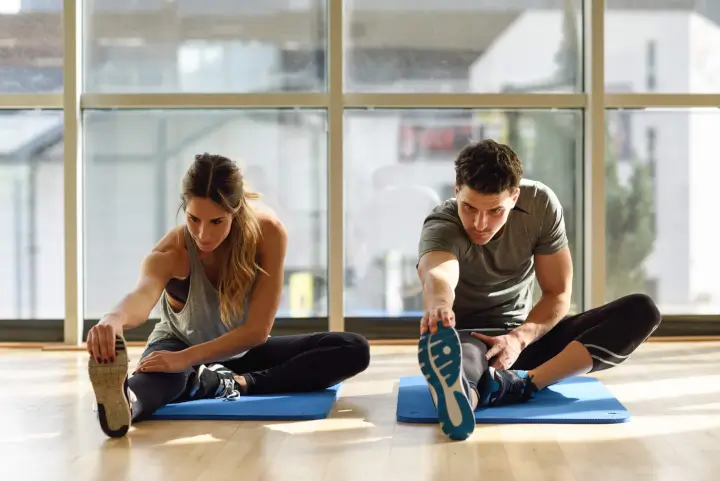
Flexibility is key to maintaining good posture, preventing injuries, and improving overall athletic performance.
Incorporating a stretching routine into your daily schedule can enhance movement efficiency and help you feel better.
Here are 10 essential flexibility exercises to target different muscle groups and improve mobility.

Hamstring flexibility is crucial for avoiding lower back pain and improving leg mobility. Sit with your legs extended straight in front of you, keeping your back straight.
Slowly lean forward, reaching for your toes without bending your knees. If you can't touch your toes yet, go as far as you can and hold the stretch for at least 15 seconds.
Over time, your flexibility will improve, and you can work on getting your forehead closer to your knees.

If the sitting stretch is too intense, try this modified version. Sit down and extend one leg while keeping the other leg bent with your foot flat on the floor. Slowly lean toward the extended leg, keeping your back straight. Hold for 15 seconds, then switch legs.
This stretch gently loosens up tight hamstrings, making it a great starting point for beginners.
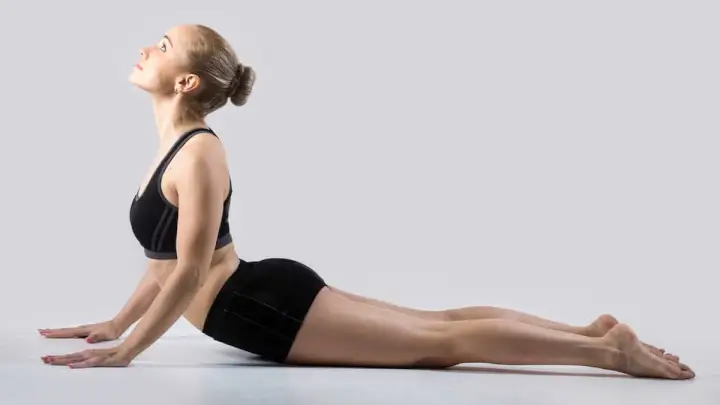
A staple yoga pose, the Cobra Stretch opens up the back and helps with spinal flexibility. Lie on your stomach, place your hands under your shoulders, and push your upper body upward.
Keep your elbows slightly bent and tilt your head back to enhance the stretch.
Hold this pose for 15-20 seconds to feel the benefits in your lower back and abdominal muscles.
This dynamic stretch increases flexibility in the back and spine. Start in a tabletop position with your hands beneath your shoulders and knees below your hips. Inhale as you arch your back, lifting your head and tailbone (Cow Pose).
Exhale as you round your back and tuck your chin toward your chest (Cat Pose). Repeat this motion 8-10 times to improve spinal mobility.
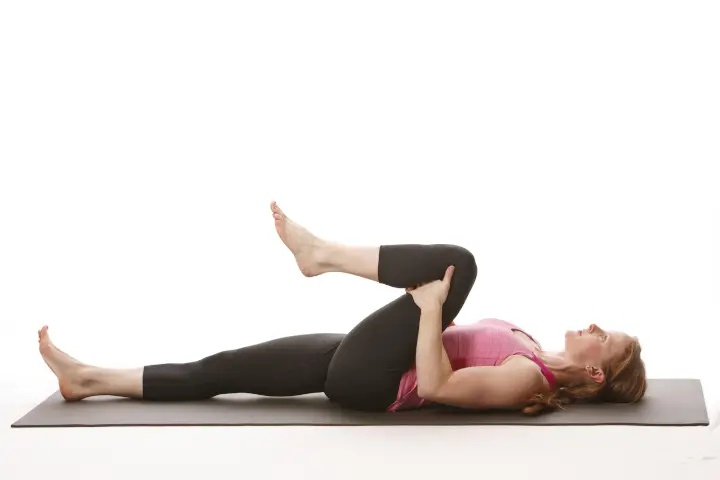
Hip flexibility is essential for smooth movement and injury prevention.
Lie on your back and bring one knee toward your chest while keeping the other leg flat on the ground. Hold the stretch for 15 seconds, then switch sides.
This movement helps relieve lower back tension and enhances hip flexibility.
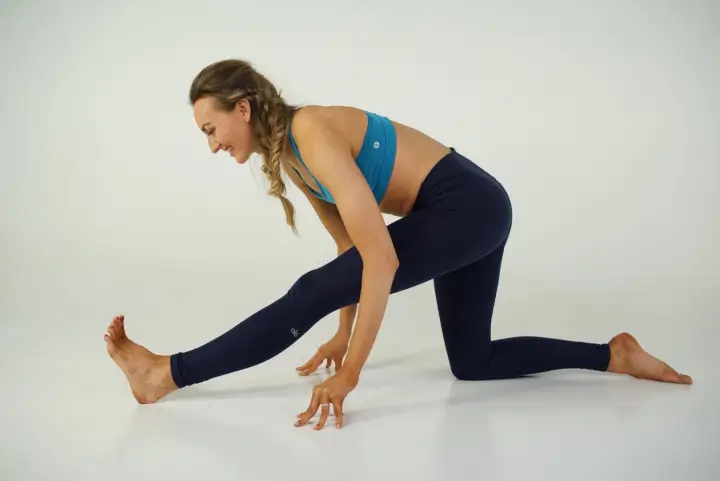
This stretch is great for increasing flexibility in the hips, hamstrings, and quadriceps.
Sit on the floor with one leg bent in front of you and the other extended straight behind you. Slowly lean back if you can, deepening the stretch.
Hold for 15 seconds before switching sides to stretch both legs evenly.
Ankle flexibility is often overlooked, but it plays a crucial role in maintaining balance and preventing injuries.
Stand and place the tip of your shoe on the ground. Rotate your heel in a circular motion, completing at least 10 rotations in each direction.
Repeat on the other ankle to ensure even mobility.
Strengthening your ankles can prevent common injuries such as sprains. Stand on the floor and lift your heels as high as possible, engaging your calves.
Perform 10-15 repetitions before resting.
To increase intensity, try standing on the edge of a step for a deeper stretch.
This yoga pose provides an excellent stretch for the back, shoulders, and hips.
Start in a tabletop position and sit back onto your heels while extending your arms forward.
Keep your forehead on the ground and hold the stretch for at least 20 seconds.
This exercise is ideal for relieving tension and improving flexibility in the upper body.
Shoulder flexibility is essential for preventing stiffness and improving upper body movement.
Extend one arm across your body and use the other arm to gently pull it closer. Hold the stretch for 15 seconds before switching arms.
This simple stretch helps loosen the shoulders and reduces tension in the upper back.
Want to take your flexibility to the next level without spending hours stretching?
Check this 8-Minute Stretching Routine plan designed to give you a full-body stretch in just a few minutes each day.
This quick yet effective routine targets all major muscle groups, helping you improve mobility, reduce stiffness, and feel more energized.
Whether you're warming up before a workout or unwinding after a long day, this stretching plan fits easily into any schedule.
Try it today and experience the benefits of better flexibility in less time!
By incorporating these 10 flexibility exercises into your routine, you’ll improve mobility, prevent injuries, and enhance overall physical performance.
Take the time to stretch daily and feel the benefits of increased flexibility!
Start your running journey today!
No spam. Cancel anytime.