The Scientist Who Studied 55,000 Runners Has One Rule: 10 Minutes a Day Is Enough
A 15-year study of 55,137 adults found that 10 minutes of easy running a day cut death risk by 30 percent. Here is why hard workouts are not the answer.

Want to boost your pace without wearing yourself out? These 8 research-backed strategies help runners of all levels improve speed, build endurance, and train smarter not harder.

Even if you don’t consider yourself a competitive runner, chances are you’ve wondered how to become faster.
Maybe it’s about chasing a new personal record, or just wanting to make your runs feel a little more effortless. Either way, if you’re looking to improve your pace without draining your energy, these 8 strategies will help you get there.
Improving your speed isn’t just about shaving time off your race results.
It can also enhance your cardiovascular health, increase endurance, and provide a big lift to your mental game.
Watching your times drop builds confidence and keeps you motivated to stay consistent.
Ready to start seeing results? Here’s how to get faster while keeping fatigue at bay.
Skipping a warm-up might save you time, but it’s likely slowing you down in the long run. A quick dynamic warm-up or light stretching helps activate muscles and gets your blood flowing.
This lets you ease into a run more efficiently, helping you start strong instead of spending the first 20 minutes warming up mid-run.
Even a few minutes of movement before your run can make a big difference.
Just remember to still start easy warming up isn’t a free pass to sprint out the gate.
While your legs get most of the attention, your diaphragm does a lot of heavy lifting during runs.
Shallow, fast breaths can leave you winded and limit oxygen flow. By focusing on deep, rhythmic breathing, you not only take in more oxygen but also improve your running mechanics.
Try syncing your breath with your steps.
This helps lengthen your stride, reduce tension, and improve running efficiency overall.
If you finish your runs feeling slouched or tight, it may be time to reevaluate your running form.
Keeping your shoulders relaxed and your chest open helps you run tall and strong.
A forward gaze about 10 to 15 feet ahead of you keeps your posture aligned and reduces unnecessary tension in your upper body.
When your form is efficient, your lower body naturally follows, making faster running feel smoother and more sustainable.
To run faster, you need to practice running fast. That’s where interval training comes in.
These sessions alternate bursts of effort with recovery periods and are one of the most effective ways to build speed.
Short sprints, tempo runs, or longer race-pace repeats can all help, depending on your goals.
Whether you’re training for a 5K or marathon, consistency with interval work builds the speed and stamina needed to hit new time goals.
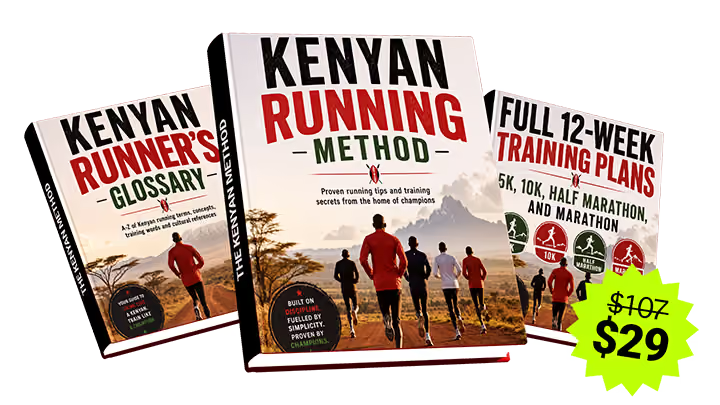
Discover the authentic training methods of Kenyan runners and start improving your running faster than you ever thought possible.
Learn More About The Method →Limited-time reader discount available
Many runners believe the only way to get better is to run more. But building strength especially in your core, glutes, and legs can significantly improve your running performance.
Incorporating strength sessions just a couple of times a week can lead to noticeable gains.
Stronger muscles support better form, reduce injury risk, and help you maintain speed over longer distances.
Your body needs energy to run, and even more to run fast.
Skipping meals or running on empty can limit performance.
Try eating a light, carb-rich snack 1 to 3 hours before your run to keep your energy levels steady.
Great pre-run options include peanut butter toast, fruit smoothies, or a protein bar.
For longer runs, don’t forget mid-run fuel.
Options like energy chews, waffles, or sports drinks can help maintain performance once your body’s initial energy stores start to deplete.
Running faster isn’t just about physical training it’s also a mental game.
If you believe you’re capable of running faster, your body is more likely to respond. A positive mindset can reduce perceived effort and help you push through tough moments.
Mental resilience also helps you stay focused during hard workouts and races.
Visualizing success, setting mini goals, and practicing mindfulness can all improve mental toughness over time.
Rest isn’t a reward it’s a critical part of your training.
Skipping rest can lead to burnout or injury, which will slow your progress in the long term. Recovery gives your muscles the time they need to rebuild stronger.
Prioritize rest days and active recovery.
Foam rolling, walking, or light yoga can support recovery while keeping your body moving. Over time, strategic rest helps you train harder and run faster.
Getting faster takes intention, consistency, and patience.
These strategies aren’t just about speed they’re about becoming a stronger, more efficient, and more confident runner. Listen to your body, train smart, and celebrate the small wins along the way.
Start your running journey today!
No spam. Cancel anytime.