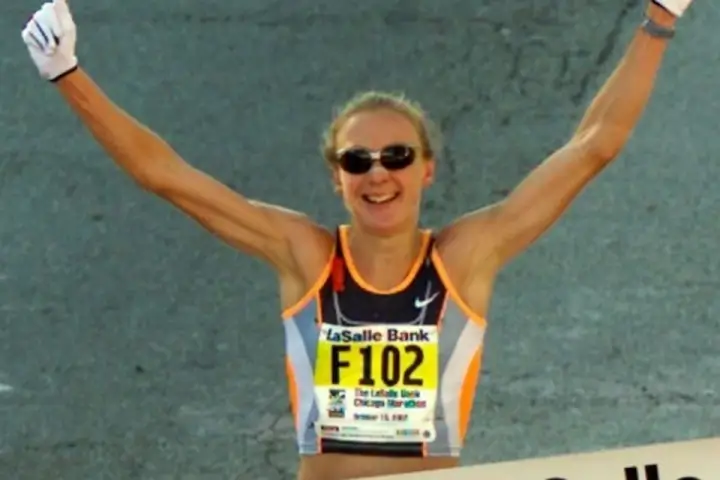
As Paula Radcliffe, who broke the marathon world record while on her period, said: “Periods are the last taboo in sport.” It’s time to change that and openly discuss how to optimize your race day performance during your cycle.
If you're a female runner, odds are you’ll eventually face a race day that coincides with your period.
While it may feel like an inconvenient reality, running on your period doesn’t have to hold you back.
In fact, it’s possible to perform at your best even with the cramps, bloating, and discomfort that sometimes come with it.
The Truth About Running on Your Period
The good news? For most women, your period itself won’t hinder your performance. After the hormonal ups and downs of your luteal phase (the days leading up to your period), your body experiences a drop in progesterone and estrogen once menstruation begins.
This means your body temperature normalizes, and hormonally speaking, your physiology is more similar to a man’s.
While cramps, bloating, and gastrointestinal issues might make race day feel tougher, your body is fully capable of delivering a strong performance.
Paula Radcliffe set the marathon world record in 2002 in Chicago while suffering from cramps
Practical Tips for Racing on Your Period
1. Manage Cramps with NSAIDs
Menstrual cramps are caused by prostaglandins, compounds that trigger inflammation and pain. NSAIDs like ibuprofen (Advil) or naproxen (Aleve) block prostaglandins, helping reduce pain.
Take NSAIDs 24-48 hours before your period begins for maximum effectiveness.
Eat something before taking them to avoid gastrointestinal distress.
Avoid overusing NSAIDs, especially if you’re dealing with an injury, as they can mask pain.
2. Optimize Your Nutrition
During your period, hormonal shifts can impact digestion and energy levels. Adjust your eating habits to minimize discomfort:
Spread Out Carb Loading: Instead of a big meal the night before, spread carb intake over several smaller meals in the days leading up to the race.
Eat on Race Morning: Even if you don’t feel like it, a pre-race meal provides energy and reduces the risk of NSAID-induced stomach upset.
3. Choose the Right Gear
Running a marathon (or any race) while managing your flow can be daunting. Choose the gear that makes you feel most comfortable:
Menstrual Cups: These silicone-based devices can be worn for up to 12 hours, eliminating the need for mid-race tampon changes. They’re reusable, environmentally friendly, and reduce the risk of chafing and toxic shock syndrome (TSS).
Tampons: If you prefer tampons, opt for small applicator brands like OB, and carry spares in your shorts or hydration vest.
Avoid Pads: Pads can cause chafing and discomfort, making them less ideal for long races.
4. Consider Supplements
If you’re prone to low iron levels or significant cramps, supplements might help:
Iron: Low iron can lead to fatigue, especially during your period. Speak with your doctor to determine if supplementation is necessary.
Magnesium, Zinc, and Omega-3s: These supplements may reduce inflammation, cramps, and fatigue. Consider adding them to your diet during the week leading up to your period.
5. Mentally Prepare for the Challenge
A positive mindset is key to racing your best, regardless of external factors like your period. Instead of viewing it as a limitation, focus on what you can control:
Embrace the discomfort rather than resisting it. Pain is part of racing, period or not.
Avoid self-limiting beliefs. Instead of thinking, “I’m on my period, I won’t do well,” remind yourself, “I can still give my best effort today.”
Why Your Period Doesn’t Have to Ruin Your Race
Racing on your period may feel daunting, but it doesn’t have to derail your performance. With the right strategies—like managing cramps, fueling effectively, and using comfortable gear—you can tackle race day with confidence.
Paula Radcliffe didn’t let her period stop her from setting a world record, and you don’t have to let it stop you from crushing your goals either.