Some venues simply host races. Hayward Field makes them.
Kenyan runner Sebastian Sawe did what generations of athletes, scientists, and coaches believed was virtually impossible: he crossed the finish line of the London Marathon in 1 hour, 59 minutes and 30 seconds.
New to running (or returning) and surprised it feels awful at first? These 12 rarely mentioned lessons cover the real stuff gear costs, hunger, bad runs, weather, feet issues, and why you might still end up hooked.
Harry Styles stunned marathon fans in Berlin 2025, running 2:59:13 under an alias and finishing 2,245th out of 48,000+
Paris welcomed 50,000 runners for the 2026 Paris Half Marathon, with Kennedy Kimutai and Ftaw Zeray taking the wins as crowds cheered along the Seine and through the Bois de Vincennes.
Los Angeles Marathon organizers are adding a heat-safety option: if race-day temperatures climb too high, runners may stop just after mile 18 and still receive a finisher medal. With forecasts rising from 12–13°C at the 7 a.m. start to 25–27°C by midday, the McCourt Foundation says the goal is preventing dangerous heat illness.
Jacob Kiplimo just rewrote the half-marathon record books in Lisbon, storming to a 57:20 victory without pacemakers, outkicking Nicholas Kipkorir late as Tsigie Gebreselama defended her women’s title in dominant fashion.
Vitamin D can help runners hold onto healthy levels through the dark winter months, and may support immune markers, but this new study found it doesn’t translate into better performance like VO₂max, power, or strength.
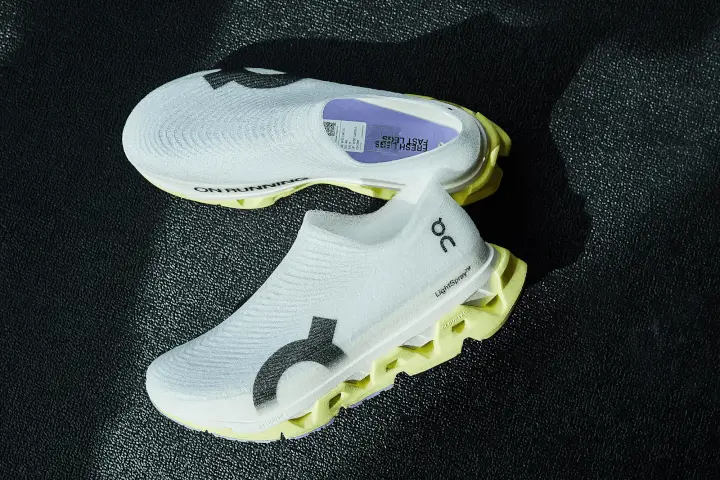
On Running’s new LightSpray laceless shoe uses 32 robots to spray a seamless upper in just three minutes, cutting development from 18–24 months to as little as 3–4 and hinting at a faster, more automated future for running footwear.
A finish line is never just a finish line. These unforgettable running memoirs prove the sport is about endurance, identity, and what you learn when the miles get long, quiet, and deeply personal.