Canadian skyrunner Kalie McCrystal disappeared on the Matterhorn on September 1 during a recon run for a speed record attempt. The official search has been called off.
Pictures from Kalie McCrystal, Instagram
Kalie McCrystal, a 38-year-old Canadian skyrunner and mountaineer from Squamish, British Columbia, has been missing on the Italian side of the Matterhorn since Tuesday, September 1.
She was last seen on her descent, moving smoothly, above the Jean-Antoine Carrel hut at 3,830 meters.
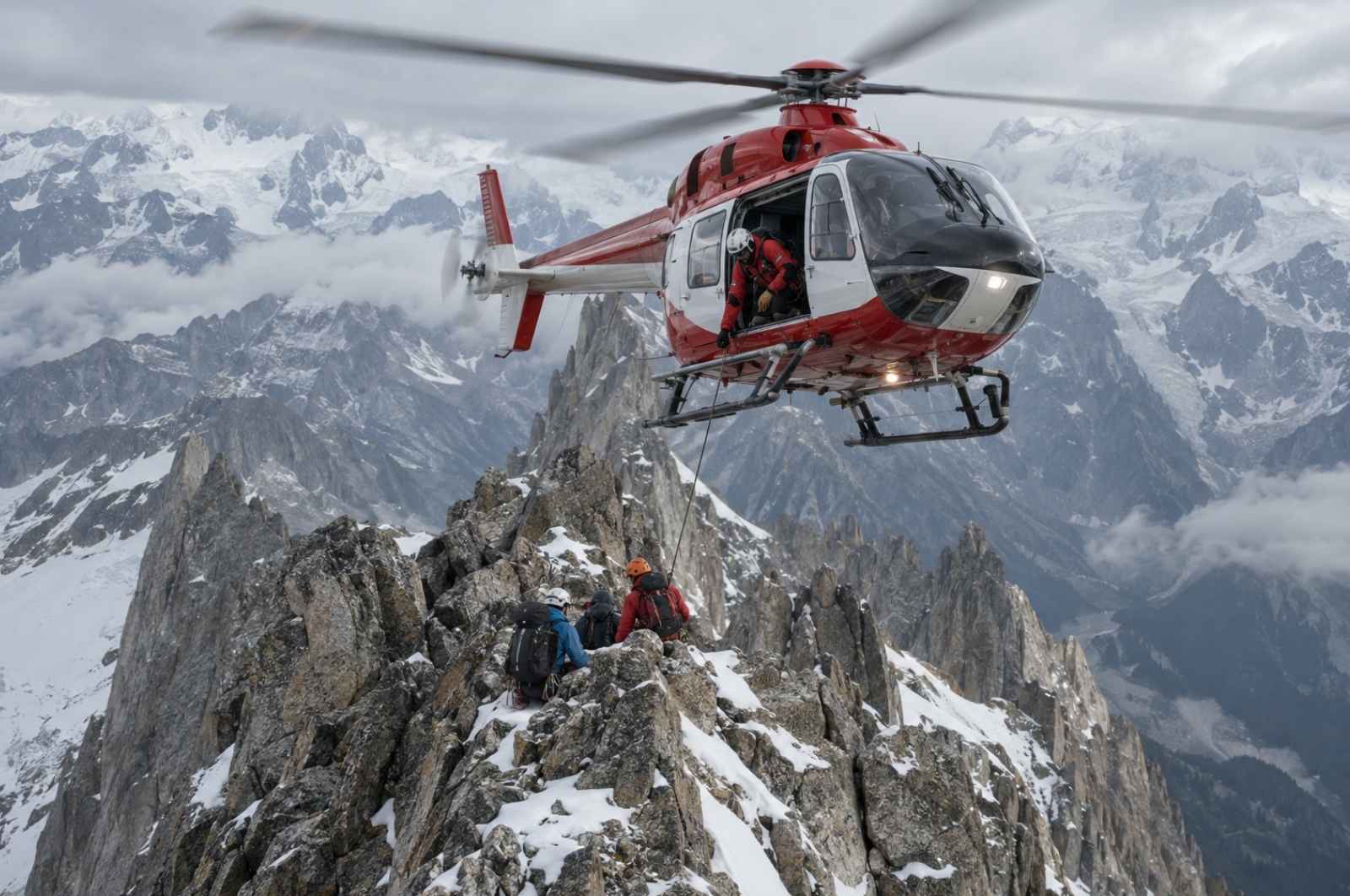
Italian search authorities suspended helicopter operations on September 4, and the official search was called off on September 8 after a week of aerial and ground sweeps.
As of this writing, ten days after she vanished, her family and the international skyrunning community are still hoping for news.
Who Kalie McCrystal is
McCrystal is not a beginner in high places.
She spent years as a corporate lawyer, then walked away from the profession to pursue serious mountain running full-time.
She has raced on the international Skyrunner World Series circuit, and her friends describe her as calm, precise, and unusually careful for a runner working at that level of technical exposure.
Skyrunning, briefly explained
Skyrunning is the discipline that sits at the border of ultrarunning and mountaineering.
Courses often exceed 2,000 meters of vertical, involve fixed-rope sections, exposed scrambles, and glaciated terrain.
It is not trail running in the conventional sense, and it is not casual mountaineering.
The best skyrunners move like climbers who happen to be running.
The route she was on
McCrystal was on the Lion Ridge, the standard climbing route up the Matterhorn from the Italian village of Cervinia.
It is a long, technical route with thousands of feet of drop on either side and sustained scrambling on rock.
She had summited the mountain by this same route in early August, and was scouting it in preparation for a formal speed record attempt.
What she was trying to do
McCrystal's September 1 outing was a reconnaissance run for a Fastest Known Time attempt, targeting the round trip from Cervinia to the summit and back down the Italian route.
According to the Outside Magazine report on her disappearance, the standing women's FKT on the route is 5 hours, 14 minutes, and 53 seconds, set by Karina Anderson on August 9. McCrystal wanted to run it in under five hours. Why an FKT recon is not a light day out
An FKT attempt on a route like Lion Ridge is not a race you run cold.
Route familiarity is safety, because on technical mountain terrain a wrong line does not just cost minutes, it can cost everything.
That is exactly what she was doing on September 1.
She had been in Cervinia for weeks, staying on the route, building a mental map of every anchor, every scramble, every exposed step.
What we know about the day she vanished
Local outfitters saw her going up above the Carrel hut in the morning.
A guide on the mountain confirmed she was moving well, told the guide she was training for a record attempt, and continued upward.
She reached the summit that day. On her descent, according to friend and fellow trail runner Hillary Gerardi speaking to Outside, she vanished without a trace.
The search operation
Italian mountain rescue crews mobilized quickly.
Helicopter sweeps of the Italian face ran daily until aerial operations were suspended on September 4 after repeated flights turned up no sign of her.
Ground searches continued for several more days.
On September 8, the coordinated official search on the Matterhorn was formally called off.
The conditions this summer have been unusually severe
The Matterhorn has seen a difficult 2026 season. Heat has driven a run of rockfall events on the peak, and the route conditions have degraded significantly.
McCrystal herself had noted the route was in worse shape than it had been on her August summit.
She was, by every friend's account, aware of the conditions and taking them seriously.
Why this story matters to the running community
Skyrunning has boomed in the last few years, and the pursuit of Fastest Known Times has moved from a niche hobby onto increasingly technical terrain.
The Matterhorn round trip is now a contested objective, especially among elite women.
McCrystal is precisely the kind of athlete driving that shift: experienced, humble about the risks, and physically capable of moving fast in serious places.
The FKT calculus is changing
As speed record attempts push higher up more technical mountains, the sport is quietly having a conversation about what it is asking of its athletes.
Fastest Known Times were once the province of dirt trails and long ridges.
Now they sit on peaks that require rope work, glacier travel, and exposed climbing.
That is a different sport, and it carries different consequences.
What happens now
McCrystal's family issued a statement on September 4 describing her as an experienced skyrunner and mountaineer with many years in technical high-altitude terrain.
They asked for continued support.
The formal search on the mountain has ended, but that does not mean her friends and community have stopped looking.
Squamish's mountain running community has been open about holding out hope.
A note on how this story is being reported
This is a developing situation.
Details around McCrystal's exact last known location remain limited to what the guide who saw her on the way up confirmed, and to what conditions on the mountain would allow.
This piece does not speculate on cause. It is written to sit alongside the reporting from Outside, Canadian Running Magazine, and CBC News, all of whom have followed the story with the care it deserves.
Anyone who knew Kalie McCrystal, or who follows the sport at this level, will recognize the profile immediately.
Careful, prepared, and devoted to the mountains she trained on.
The running world is holding its breath, and it will keep holding its breath for a while yet.