.webp)
We Wore The Huawei Watch Fit 5 For A Week And One Thing Surprised Us
After a week on our wrists through hill runs and quiet rest days, here is our honest verdict.

The best running gear for hot weather, from sun-blocking caps and breathable shirts to hydration vests, cooling sleeves, and electrolytes that keep summer miles safe and fast.

Summer running is a different sport.
The pace drops, the effort climbs, and the gear that worked in spring suddenly feels like a wetsuit on the move.
The right kit will not make a heatwave disappear.
But the right combination of fabrics, hydration tools, and sun protection can shave minutes off your tempo run and keep an easy hour from turning into a medical event.
Here is a category-by-category look at the best running gear for hot weather in 2026, with the features that actually matter when the temperature climbs past 85°F.
Sweat rates during a hard summer run can reach 1 liter per hour, and dehydration is the single biggest predictor of heat illness, according to the CDC Yellow Book on heat and cold illness in travelers.
Your body temperature climbs in direct proportion to how dehydrated you are. That is the gap that good gear is designed to close.
Lighter fabrics, smarter hydration, and better sun coverage are not luxuries in summer.
They are the difference between training and surviving.
A good summer cap does three things: shades your face, wicks sweat off your forehead, and dries fast enough to feel weightless after the first mile.
Look for a perforated mesh crown, a soft sweatband, and a stiff but flexible brim. Brands like Ciele, Janji, and BOCO Gear all do this well in 2026.
If you run in midday sun, a legionnaire-style cap with a neck flap is worth the slightly dorky look. It blocks UV on the most exposed real estate of your body.

Ciele Athletics GOCap
✓primePremium Washable Moisture Wicking Hat with Sun Protection, 5-Panel Knit Running Hat
$40 from AmazonAs an Amazon Associate, we earn from qualifying purchases.

Coal Hat UPF50
✓primeUPF 50, Lightweight Nylon, Moisture Wicking, Adjustable - Running, Hiking
$44 from AmazonAs an Amazon Associate, we earn from qualifying purchases.

Quick Dry Run Hat
✓primeThe hat is made of soft and durable nylon fabric which has passed UPF 50+ test
$14 from AmazonAs an Amazon Associate, we earn from qualifying purchases.
Sunglasses are not just a comfort upgrade. Polarized lenses cut glare on hot asphalt and bright trails, which reduces squinting, neck tension, and the headache that often shows up on long Saturday runs.
Goodr, Roka, and SunGod all make running-specific frames that stay put when sweaty and weigh almost nothing. Photochromic lenses are a smart upgrade if your run starts in shade and finishes in full sun.
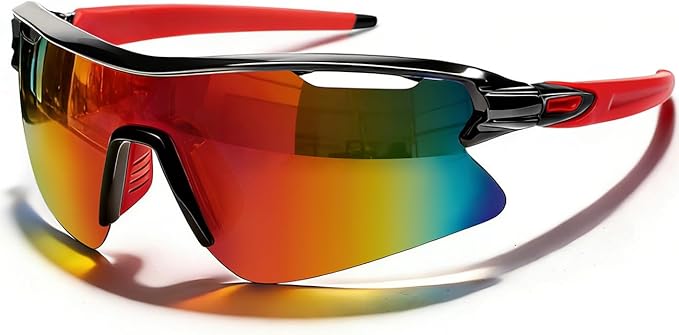
Polarized Running Sunglasses
✓primeEquipped with premium HD polarized lenses, these sports sunglasses block 99.9% of harmful UVA/UVB rays
$19 from AmazonAs an Amazon Associate, we earn from qualifying purchases.

Lamicall 24g Sunglasses
✓primeColorful HD polarized lenses block 99.9% of harmful UVA & UVB rays and effectively filter out astigmatism
$21 from AmazonAs an Amazon Associate, we earn from qualifying purchases.

ATTCL 0.9 oz Polarized Sunglasses
✓primeTTCL polarized sunglasses for men with UV400 coating block 100% UVA & UVB rays
$24 from AmazonAs an Amazon Associate, we earn from qualifying purchases.

It sounds wrong, but a thin long-sleeve sun shirt is often cooler than a singlet when the UV index is high. The fabric blocks direct sun from your skin, which is what spikes your core temperature in the first place.
Look for fabrics labeled UPF 30 or higher, in light colors, with a loose drape that lets air move underneath. Janji, rabbit, and Patagonia all have strong options in 2026.
For shorter, faster sessions, a mesh-back singlet still wins. The Tracksmith Session Singlet and the rabbit EZ Tank remain reliable picks.
Hot-weather shorts should be light, short, and friction-free. A split or V-notch design lets your stride open up and keeps the fabric from sticking to wet thighs.
Two-in-one shorts with a soft liner reduce chafing on long efforts. If you have ever finished a humid 15-miler with raw inner thighs, you already know why this matters.
A pair of cooling arm sleeves soaked in cold water before a long run can drop your perceived effort noticeably in the first hour. They also double as portable sun protection without trapping heat the way a full shirt sleeve does.
A Mission or Buff cooling neck gaiter served the same purpose. Dunk it at every aid station and you will feel the difference within seconds.

UPF 50+ Sun Protection T Shirts
✓primeUPF50 Fabric For Maximum Protection Against Harmful UVA and UVB Rays
$19.99 from AmazonAs an Amazon Associate, we earn from qualifying purchases.

Sun Protection Shirts Long Sleeve
✓primeUltra-Soft and Quick Dry fabric provide extreme comfort with very lightweight without restriction
$19.99 from AmazonAs an Amazon Associate, we earn from qualifying purchases.

Sun Protection Shirts Long Sleeve
✓primeA built-in compression liner can greatly reduce less chaffing than more traditional athletic shorts
$29.99 from AmazonAs an Amazon Associate, we earn from qualifying purchases.
If you only upgrade one thing for summer, upgrade how you carry water. A run is twice as hard when your only option is to push through thirst until you get home.
There is no single right answer, only the right tool for the distance. The full breakdown of options lives in this guide on the best ways to carry water while running, and it is worth a read before your next gear purchase.
For anything under 60 minutes, a 10 to 20 oz handheld bottle with an adjustable hand strap is usually enough. Nathan, Salomon, and Amphipod all make versions that stay comfortable once you stop noticing them.
Once your run pushes past 90 minutes in the heat, a running vest with two front soft flasks becomes the smarter call. The Salomon Adv Skin, Nathan Pinnacle, and Ultimate Direction Race vests are still the gold standard in 2026.
Pro tip: pre-freeze one flask. It thaws as you run and gives you cold water at the back half of a long effort.

Salomon Unisex Advance Skin 12
✓primeThe updated Adv Skin 12 offers excellent fit, loads of storage and easy hyrdation access in a lightweight pack.
$185 from AmazonAs an Amazon Associate, we earn from qualifying purchases.
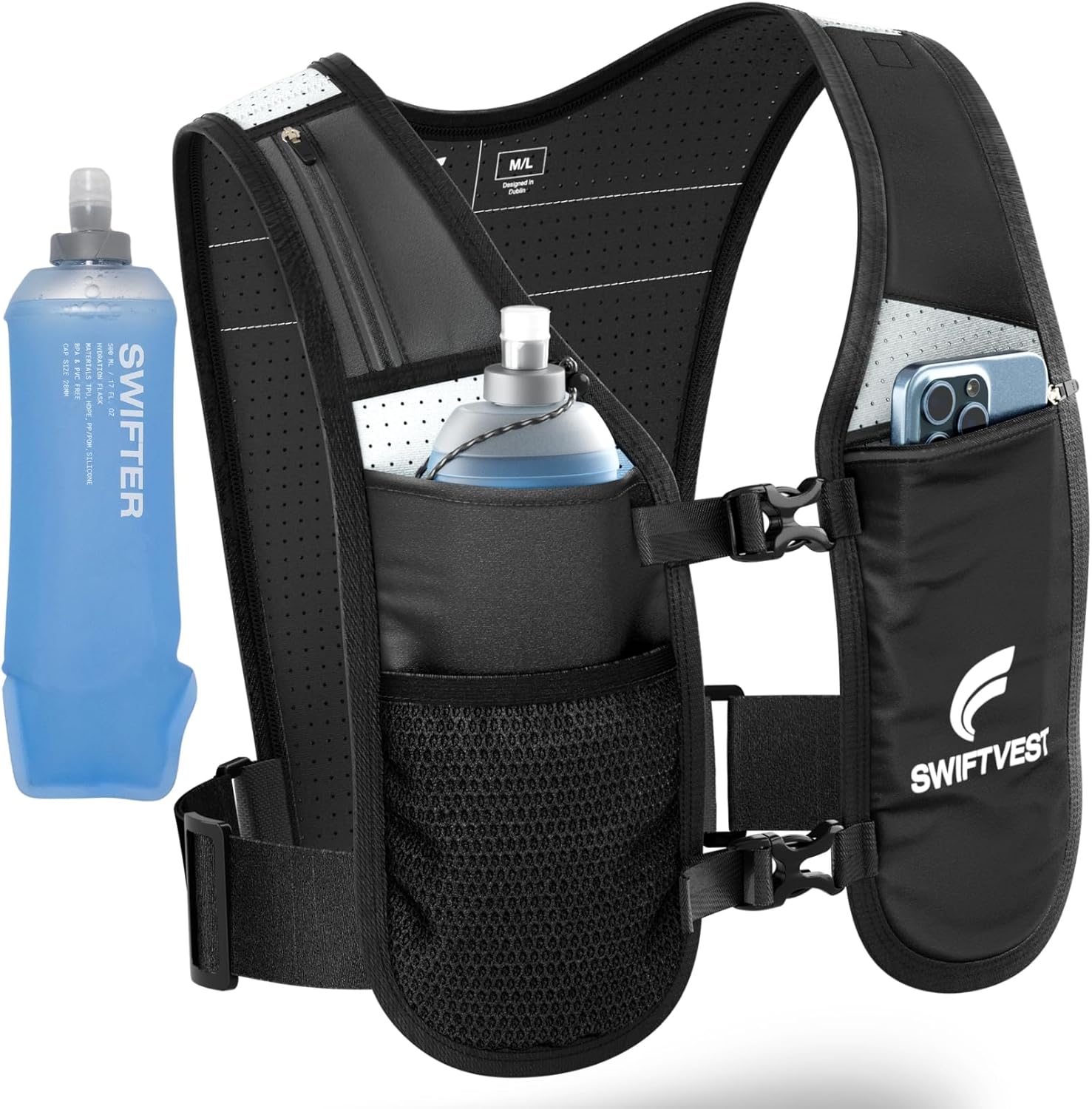
Running Phone Holder Vest with 500ml
✓primeDesigned for runners, this vest features 6 easy-access pockets to carry your phone, keys, gels, and hydration.
$44.99 from AmazonAs an Amazon Associate, we earn from qualifying purchases.

WILDREEDS 500ml Soft Flask
✓primeMade of food grade TPU (thermoplastic polyurethane) material, BPF free, safe, lightweight and easy to clean.
$9.99 from AmazonAs an Amazon Associate, we earn from qualifying purchases.
Plain water is not enough on hot runs. Sodium loss through sweat is what triggers cramps, foggy thinking, and the flat feeling that hits 45 minutes in.
Tablets, powders, and concentrates all work if the sodium dose is high enough.

HNY+ Organic Honey Energy Gel
✓primeProviding quick-acting carbohydrates and antioxidants that support sustained energy during running, cycling, hiking, and endurance training without any crash.
$35.99 from AmazonAs an Amazon Associate, we earn from qualifying purchases.

Nuun Sport Electrolyte Tablets
✓primeNuun Sport electrolyte tablets offer a perfect sports drink for daily use, including 5 essential electrolytes and 1g of sugar
$20.99 from AmazonAs an Amazon Associate, we earn from qualifying purchases.
Hot feet swell. Wet feet blister.
A thin merino or engineered-mesh sock with targeted ventilation panels keeps both problems in check.
Balega, Feetures, Smartwool, and Stance all make summer-weight running socks that survive repeated washes without losing shape.

Balega Silver Compression Fit
✓primeThe updated Adv Skin 12 offers excellent fit, loads of storage and easy hyrdation access in a lightweight pack.
$21 from AmazonAs an Amazon Associate, we earn from qualifying purchases.

Feetures Elite Max Cushion
✓primeThese Feetures socks are engineered with Targeted Compression and anatomical design that conform to the shape of the left and right foot.
$13.30 from AmazonAs an Amazon Associate, we earn from qualifying purchases.
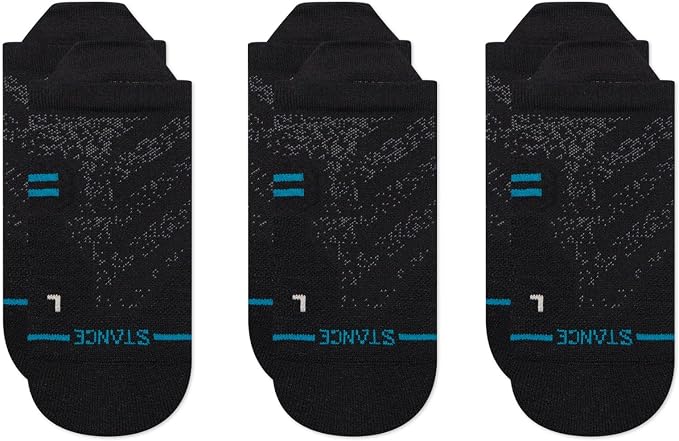
Stance Icon Athletic Performance Socks 3-Pack
✓primeThree pairs designed for all-day support and immediate connection to your shoe and for high-responsiveness in any terrain.
$44.90 from AmazonAs an Amazon Associate, we earn from qualifying purchases.
Sweat-resistant sunscreen is the cheapest piece of hot-weather gear you can own. A mineral SPF 30 or higher, labeled water-resistant for 80 minutes, will outlast most chemical formulas during a sweaty effort.
Skip the spray for runs. Cream sticks better, covers better, and does not blow off in the wind.

Banana Boat Sport Ultra SPF 50
✓primeFrom family fun to hardcore competition, Banana Boat Sport Sunscreen provides strong sun protection that stays on so you can play on
$8.48 from AmazonAs an Amazon Associate, we earn from qualifying purchases.

Ultra Sheer Dry-Touch Mineral Sunscreen
✓primeNon-chalky and formulated with antioxidant Vitamin E, the lightweight shine-free sun screen is fast absorbing and leaves skin feeling nourished & clean
$9.89 from AmazonAs an Amazon Associate, we earn from qualifying purchases.
Gear matters, but it sits inside a bigger system. Smart pacing, route selection, and timing carry just as much weight as the fabric on your back.
For the deeper science on why summer feels so brutal, this piece on why running in the sun feels so hard pairs well with this gear list.
Build the kit, respect the conditions, and the heat becomes a season you train through. Not a season you survive.
Start your running journey today!
No spam. Cancel anytime.


