Download our Free 8-Week Plan here →

Dead Butt Syndrome: The Hidden Running Problem You Need to Fix

February 25, 2025
By

Long hours of sitting can weaken your glutes, leading to dead butt syndrome, poor running efficiency, and even injuries. Learn how to wake up your glutes, prevent imbalances, and run stronger with these expert tips.
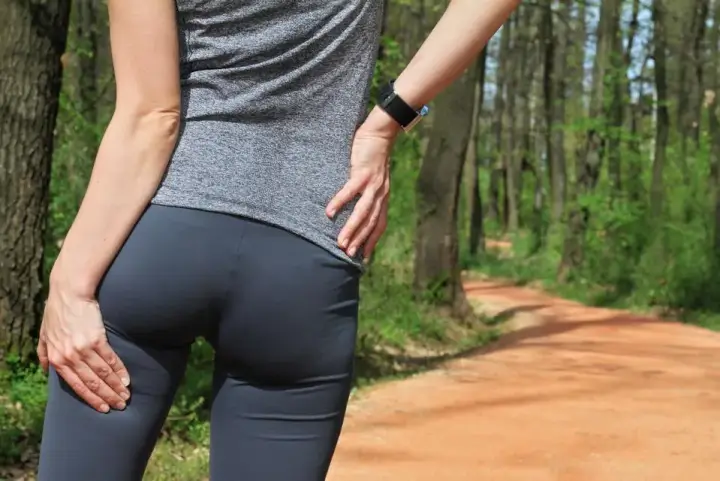
Most runners don’t think of themselves as sedentary, but long hours sitting at a desk or lounging in front of the TV can actually work against your performance.

If you spend a lot of time sitting and don’t actively strengthen your glutes, you could be at risk for “dead butt syndrome”—also known as gluteal amnesia.

In simple terms, this condition occurs when your glute muscles stop activating properly, affecting your balance, running efficiency, and even leading to injury.

Why Strong Glutes Matter for Runners

Your glutes consist of four key muscles:

  • Gluteus Maximus – the largest and most powerful muscle in the body, responsible for hip extension and propulsion.
  • Gluteus Medius – stabilizes the pelvis and helps with side-to-side movement.
  • Gluteus Minimus – assists the medius in hip stabilization.
  • Tensor Fascia Lata (TFL) – runs along the thigh and aids in hip movement.

Together, these muscles keep your pelvis stable, help maintain balance, and allow you to run with power.

When they weaken due to prolonged sitting or lack of targeted training, your body compensates by overloading other muscle groups, often leading to discomfort and injuries.

What Is Dead Butt Syndrome?

Dead butt syndrome occurs when the glutes—especially the gluteus medius and maximus—fail to activate properly.

This is often caused by too much sitting, which leads these muscles to “switch off” and stop firing efficiently.

Unlike a typical injury, the pain isn’t always localized in the glutes. Instead, runners may experience discomfort in the lower back, hamstrings, or hips, as these areas compensate for weak glutes.

The symptoms tend to start as mild soreness and gradually become more persistent.

If you frequently experience low back pain that doesn’t resolve after a few weeks, it may be worth consulting a physical therapist to determine if weak glutes are the culprit.
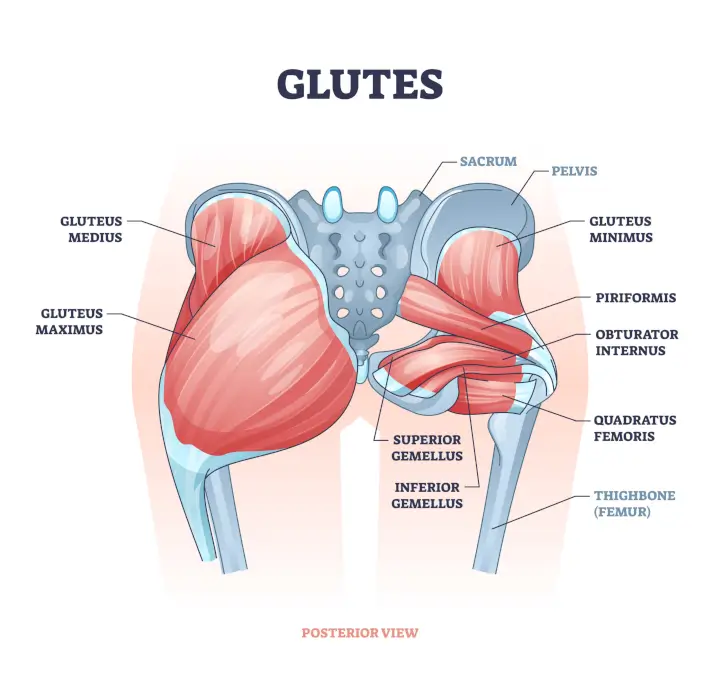
Image via totalhealthsystems

How Dead Butt Syndrome Affects Running

Since your glutes play a major role in running mechanics, weak or inactive glutes can have a serious impact on your performance:

  • Reduced Running Efficiency – The glutes generate power and keep the pelvis stable. If they aren’t firing properly, your body shifts the workload to the hip flexors, hamstrings, and lower back, making you tire more quickly.
  • Increased Risk of Injury – When one muscle group doesn’t function correctly, others compensate, which can lead to overuse injuries. Many runners with dead butt syndrome develop chronic back pain, IT band issues, or hamstring strains.
  • Altered Running Form – Weak glutes can affect your stride, causing imbalances that may limit your speed and endurance.

If you’re dealing with nagging pain or noticing a decline in performance, it’s worth addressing potential glute weakness.

How to Prevent Dead Butt Syndrome

Preventing dead butt syndrome requires a two-part approach:

  1. Reduce prolonged sitting – Stand up, stretch, or walk around every 30-60 minutes. Using a standing desk or alternating seating positions can also help.
  2. Strengthen the glutes – Incorporate targeted glute exercises into your routine to keep these muscles engaged and active.

Sprint training is another effective way to activate the glutes. Sprinting recruits fast-twitch muscle fibers, which enhance glute strength and power.

Additionally, cross-training activities like yoga, Pilates, and incline walking can help improve overall hip stability.

Before running, warm up with glute activation exercises to ensure your muscles are firing properly. When glutes are pre-activated, they’re more likely to function correctly during your run, reducing the risk of compensatory movements and injuries.

Best Exercises to Wake Up Your Glutes

Perform 10-20 reps per side of the following exercises before your run or as part of your strength routine:

1. Glute Bridges

  • Lie on your back with knees bent, feet flat on the floor.
  • Squeeze your glutes and lift your hips until your body forms a straight line from shoulders to knees.
  • Hold briefly, then lower back down.

2. Donkey Kicks

  • Start on hands and knees with a neutral spine.
  • Keeping your knee bent, lift one leg toward the ceiling while squeezing your glutes.
  • Lower back down and repeat on the other side.

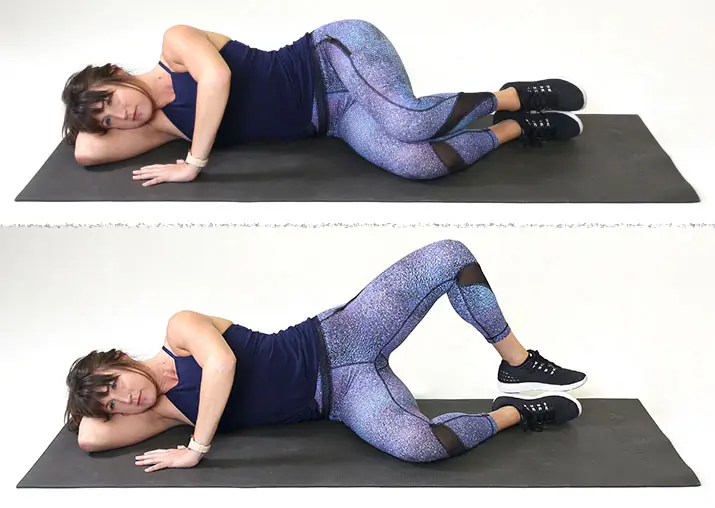
3. Clamshells

  • Lie on your side with legs stacked and knees bent at 45 degrees.
  • Keeping heels together, lift your top knee as high as possible without rotating your hips.
  • Hold briefly, then return to the starting position.
  • Add a resistance band for extra challenge.

By incorporating these simple exercises and making an effort to reduce prolonged sitting, you can keep your glutes strong, boost your running performance, and avoid the discomfort of dead butt syndrome.

Plus, we highly recommend adding a stretching routine to maintain muscle flexibility. This 8-minute daily stretching program is quick, effective, and offers great benefits, especially for runners!

You Might Also Like

The 99-Year-Old Who Still Works Out and What Her Routine Can Teach Us

Meet the 99-year-old woman quietly rewriting what aging “should” look like by sticking to simple strength training, daily walking, and mobility work that keeps her strong, steady, and fiercely independent.

6 Effects of Aging That Running Can Help Counteract

Regular running after 40 can help you stay strong and sharp by supporting heart health, slowing bone and muscle loss, improving digestion, protecting cognitive function, managing weight, and boosting confidence as your body changes with age.

The Mental Mistake That Can Sabotage Tough Runs, According to Sports Psychology

Hard runs hurt, but sports psychologist Mike Gross says the biggest performance threat isn’t the pain it’s the mental “second arrow” that turns discomfort into suffering. Practice curious awareness to observe sensations without spiraling into doubt.

Marathon vs Half Marathon; New Study Reveals Which Race Hits Your Heart Harder

Marathon or half marathon: new heart scans from the 2023 Silesia Marathon suggest both distances cause only small, short-lived dips in heart performance for most recreational runners, with readings returning to normal within two weeks.

Former College Runner Warns Against "No Days Off" Culture After Career-Threatening Injury

Former college runner Liv Paxton, 28, is challenging a “pain equals pride” mindset in distance running after training through what was misdiagnosed as tendinitis and later revealed in April 2021 as a partial Achilles tear.

Finish Line Surge Linked to Spike in Cardiac Arrest Risk, Paris Race Study Finds

Paris race data covering 1.2 million+ participations shows sudden cardiac arrests are rare but disproportionately concentrated in the final kilometer especially in the 20 km and half marathon highlighting the “finishing surge” as a potential trigger and the value of rapid on-course response.