The Training Change Every Woman Runner Over 45 Is Getting Wrong
A 2025 clinical study of women in perimenopause and postmenopause found a training change that outperformed extra mileage. Most running plans still miss it.

For decades, well-meaning friends and family have warned runners about the supposed dangers of their favorite activity: "Running will destroy your knees!"
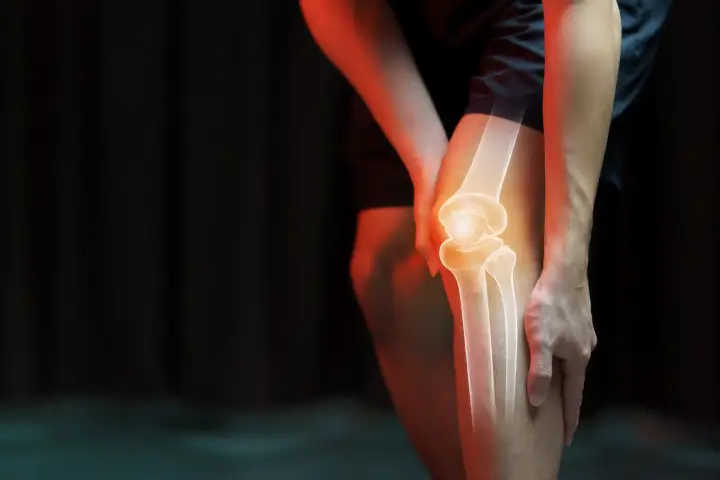
However, science tells a dramatically different story. Research now reveals that recreational runners not only maintain healthy joints but actually experience lower rates of arthritis compared to non-runners…
For years, people believed that running would damage their joints and lead to arthritis.
However, this widely held belief doesn't match what scientists have found. Studies show that recreational runners actually have no increased risk of osteoarthritis. In fact, running may help protect joints and lower the chance of developing arthritis.
A 21-year study from Stanford found that runners' knees were no worse than those of non-runners.
The data revealed that runners had a 39% lower death rate compared to non-runners. Additionally, runners showed fewer physical disabilities over time.
People who run regularly have three times lower rates of knee and hip osteoarthritis compared to those who don't exercise.
When you run, the muscles around your knee joint become stronger, offering better support to the joint itself.
This strengthening effect extends to all the muscles that support your joints. The regular movement involved in running helps maintain joint function and stability.
Running influences cartilage health in interesting ways. While temporary changes occur during a run, with cartilage thickness and volume decreasing by 3.3-4.9%, these changes appear to be short-term.
The body adapts to regular running, and evidence suggests that single running sessions don't cause lasting harm to cartilage.
Studies comparing runners to non-runners show notable differences in joint health. Runners experience better physical function and mobility as they age.
The evidence indicates that recreational running doesn't increase the risk of symptomatic knee osteoarthritis compared to a sedentary lifestyle.
The impact of running on joints varies between recreational and competitive runners.
While recreational runners show decreased rates of hip and knee osteoarthritis, elite competitive runners might face a slightly higher risk compared to those who don't run.
This difference likely stems from the intensity and volume of training.
Proper form plays a key role in preventing injuries and maintaining joint health. The right footwear matters too - shoes should match your running style and foot type.
Cross-training and strength training complement running and help maintain joint stability, keep reading to the end if you want know an other way to protect and boost your joint health.
Starting to run after age 50 without prior experience requires extra care. Building general fitness before beginning a running program helps protect joints.
Older adults should start gradually and pay attention to their body's signals.
If you experience persistent joint pain while running, consulting a healthcare provider or physical therapist makes sense.
They can assess your running form, suggest modifications, and create safe exercise routines tailored to your needs. Pre-existing knee conditions might require special attention or alternative low-impact activities.
The evidence clearly shows that recreational running supports joint health rather than damages it. By following proper techniques and listening to your body, running can be a beneficial activity for maintaining strong, healthy joints throughout life.

While running is excellent for joint health, combining it with proper supplementation can take your joint support to the next level.
If you’re looking for a scientifically-backed way to keep your joints nourished, lubricated, and mobile, Joint Genesis™ might be exactly what you need.
This doctor-formulated supplement features Mobilee®, a patented ingredient shown to enhance joint health by increasing hyaluronan levels tenfold.
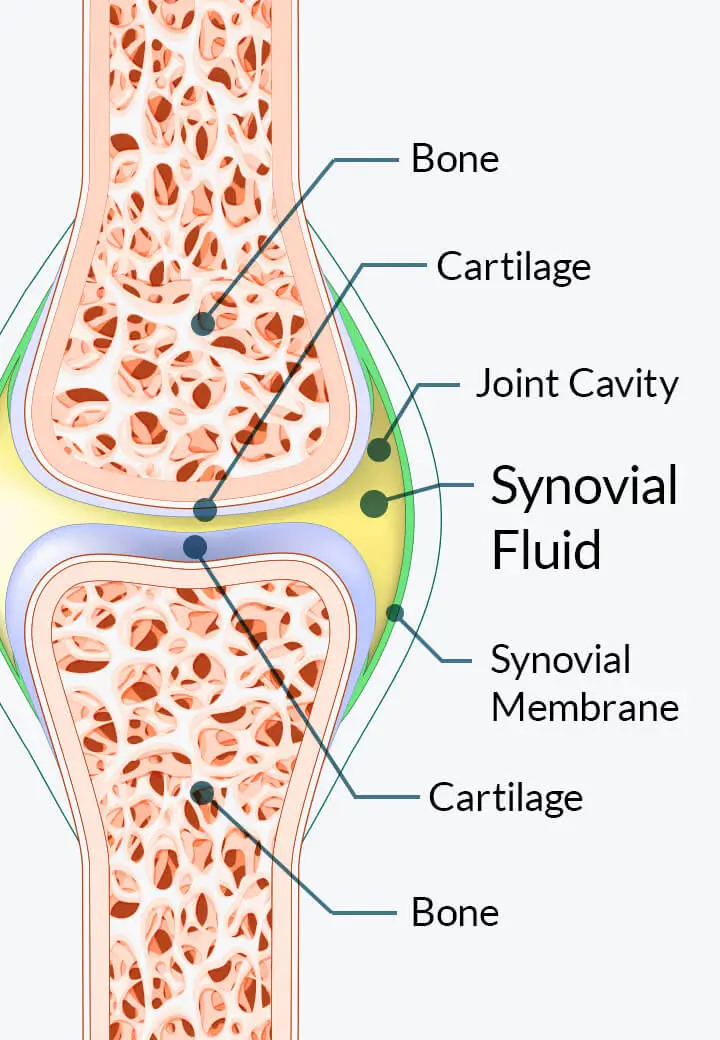
By thickening and rehydrating your synovial fluid, it promotes smoother, pain-free movement while supporting a healthy inflammatory response.
Whether you're a seasoned runner or just starting, Joint Genesis™ can help keep your joints strong and ready for every stride.
The scientific consensus is clear: running isn't the joint-destroyer many once believed it to be.
Instead, it emerges as a powerful tool for maintaining joint health, mobility, and overall physical well-being throughout life. The key lies in approaching running intelligently, with proper form and appropriate progression.
For those hesitant to start running due to joint concerns, the evidence provides reassurance.
With proper guidance and attention to form, running can be a sustainable, joint-friendly activity that contributes to both immediate and long-term health benefits.
Start your running journey today!
No spam. Cancel anytime.