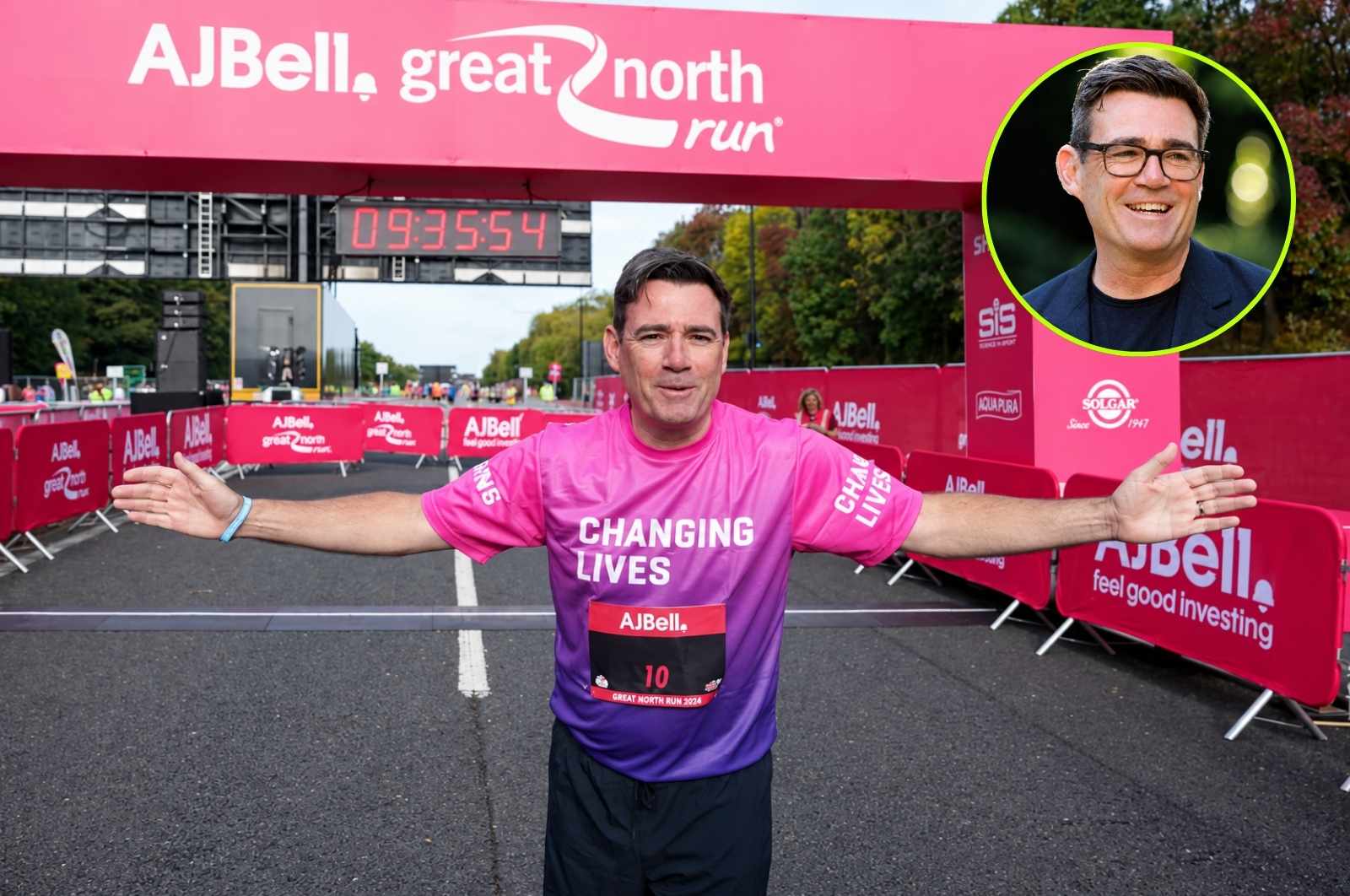
Prime Minister Andy Burnham finished the 2026 Great North Run in 1:57:34, becoming the first sitting PM to race it. Here is his time, his charity, and what it took.
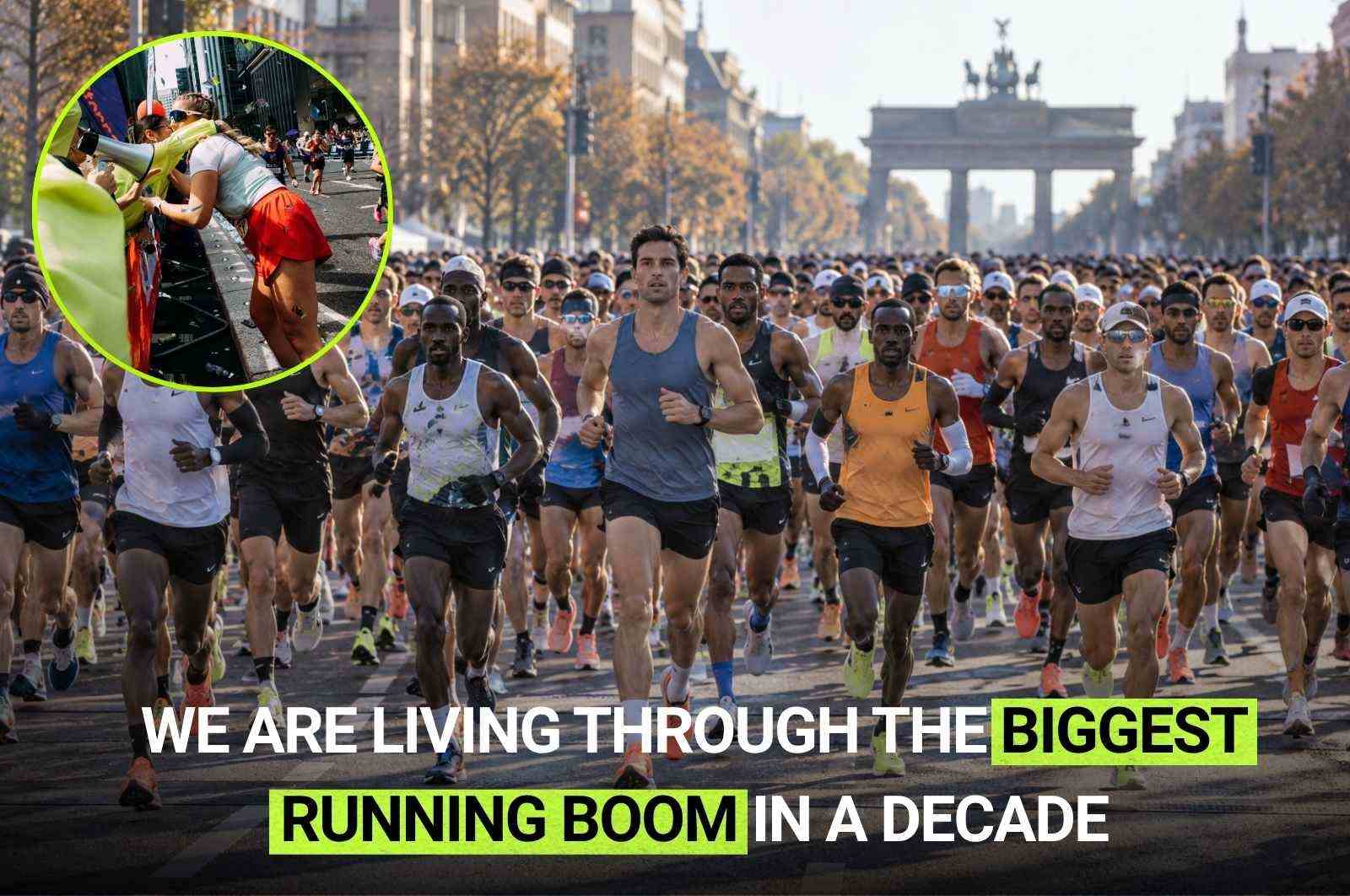
Marathon fields are up 14.6%, half marathons up 20.9%, and young runners are flooding back into races. The 2026 running boom is not a rebound. It is a re-founding.
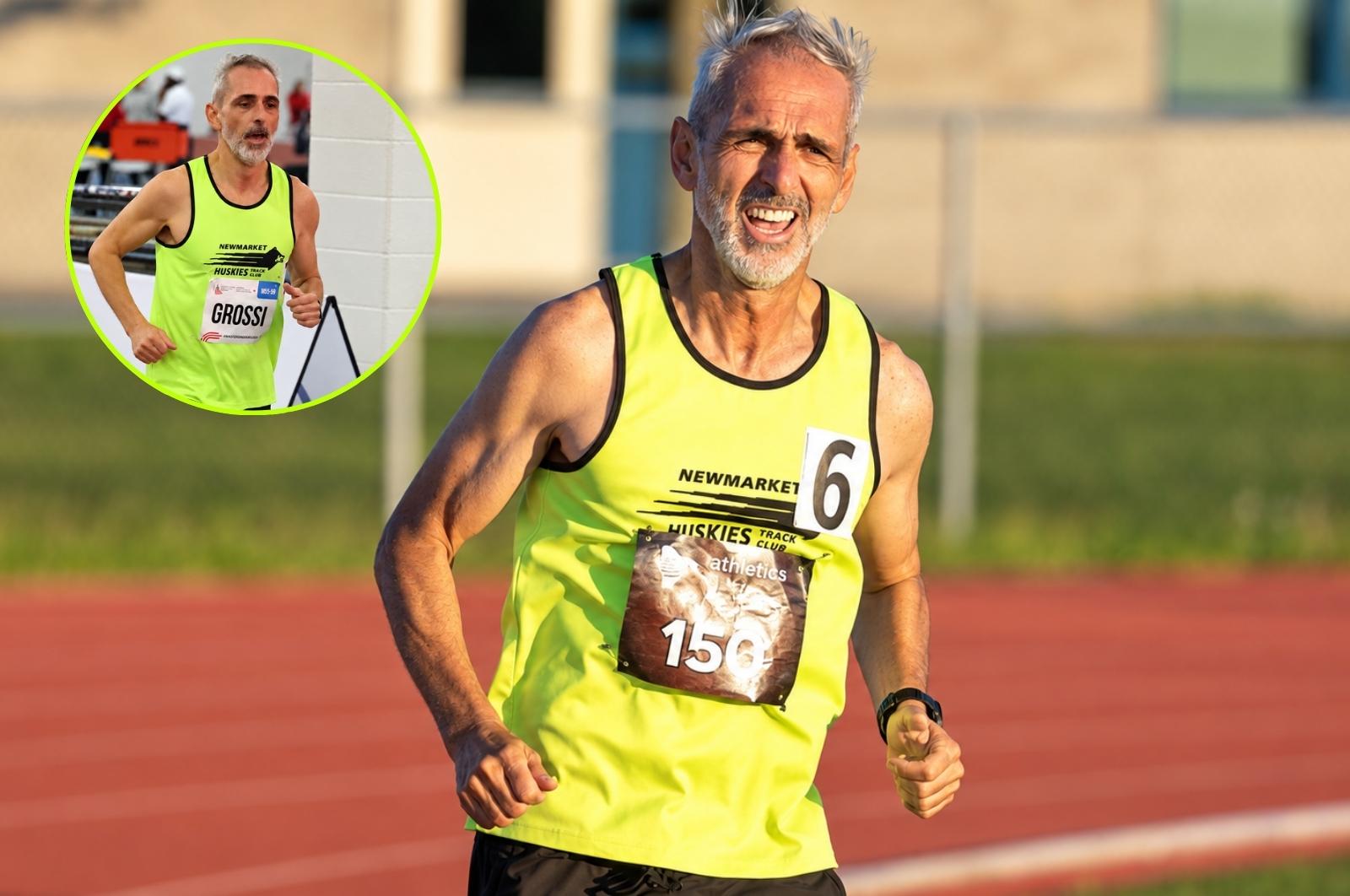
Ontario doctor Danny Grossi spent 29 days in hospital fighting a blood clot that nearly cost him his leg. Less than a year later he was Canadian masters 1,500m champion, and he had built a training AI along the way.
Canadian skyrunner Kalie McCrystal disappeared on the Matterhorn on September 1 during a recon run for a speed record attempt. The official search has been called off.
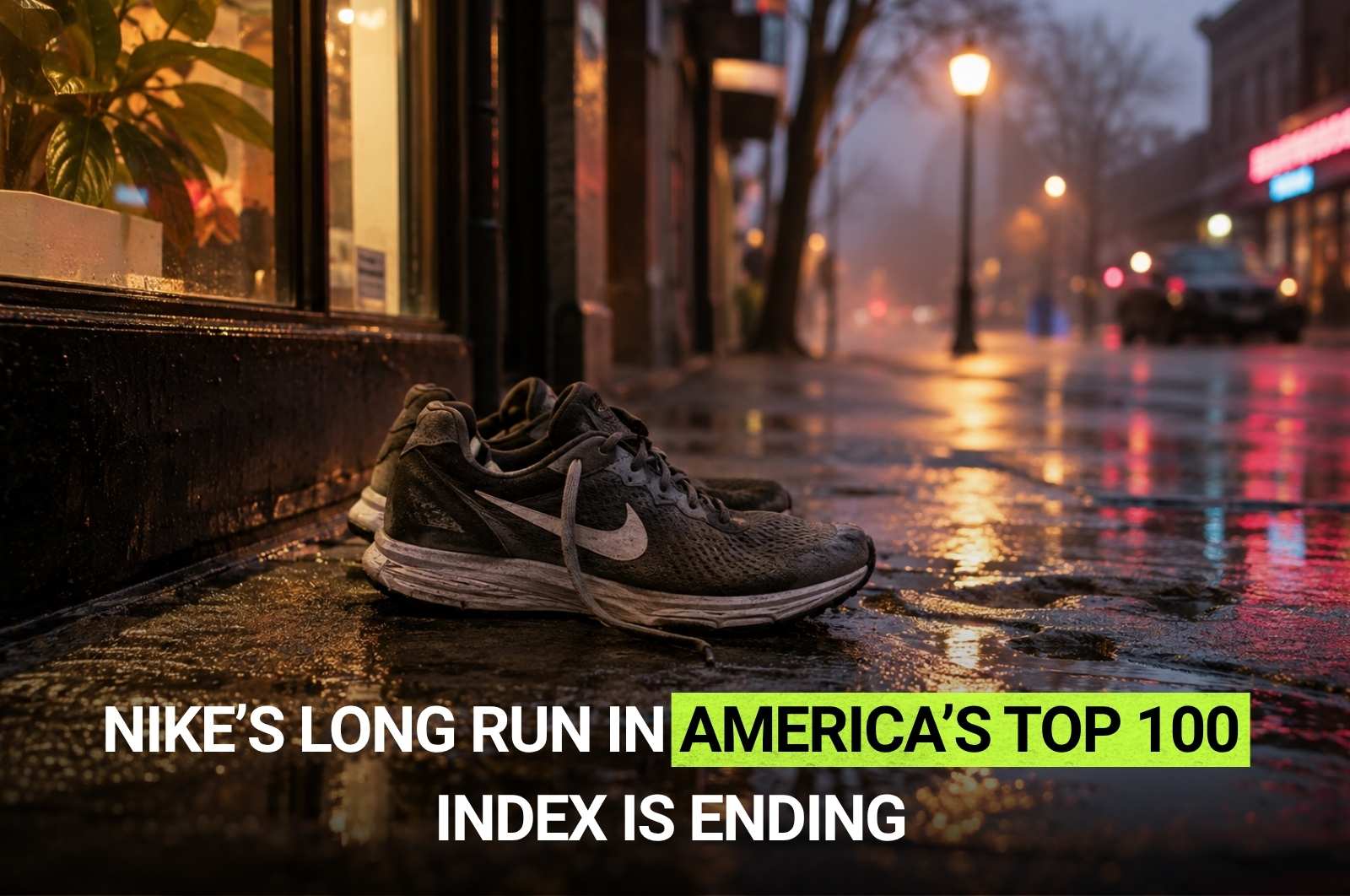
Nike is out of the S&P 100 after almost 18 years and a $224 billion market slide. Here is why runners should care about what happens next.
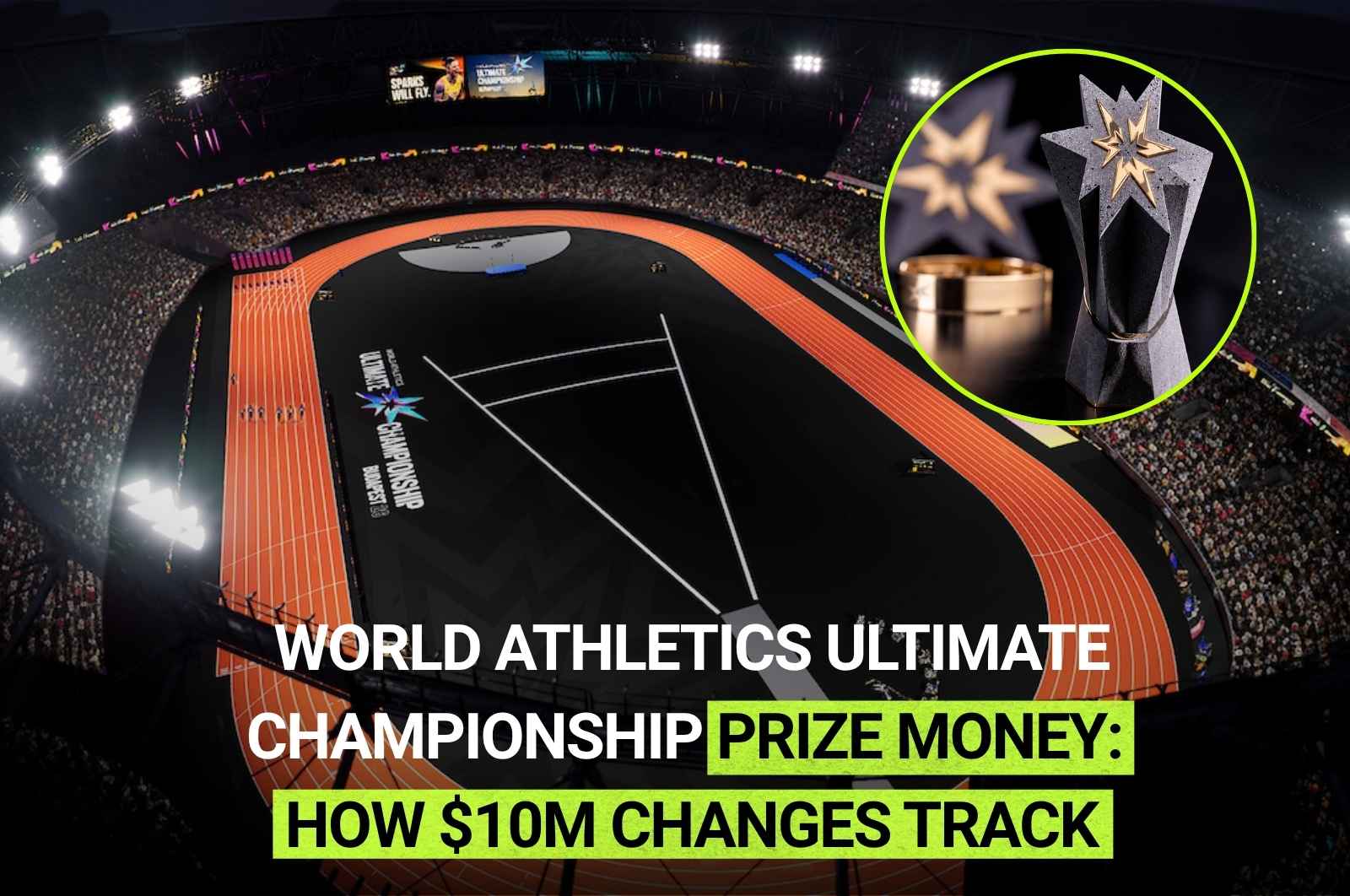
The Ultimate Championship offers 150,000 US dollars per gold and a 10 million dollar total pot, the largest prize in track and field. Here is what it means for the sport.
Complete guide to watching the World Athletics Ultimate Championship in Budapest, 11-13 September 2026. Session schedule, US, UK, and global streaming options.
Jakob Ingebrigtsen and Josh Kerr face off in the 1500m at the World Athletics Ultimate Championship in Budapest. Here is what the sport has been waiting for.
World Athletics redesigned the Ultimate Championship for younger TV audiences with 3-hour sessions and no 10,000m or steeplechase. Here is what the sport gains and what it loses.
Three men broke the Boston course record. Seven broke Sydney's. Two men beat two hours in London. Here is what the data on marathon course record clusters actually shows.