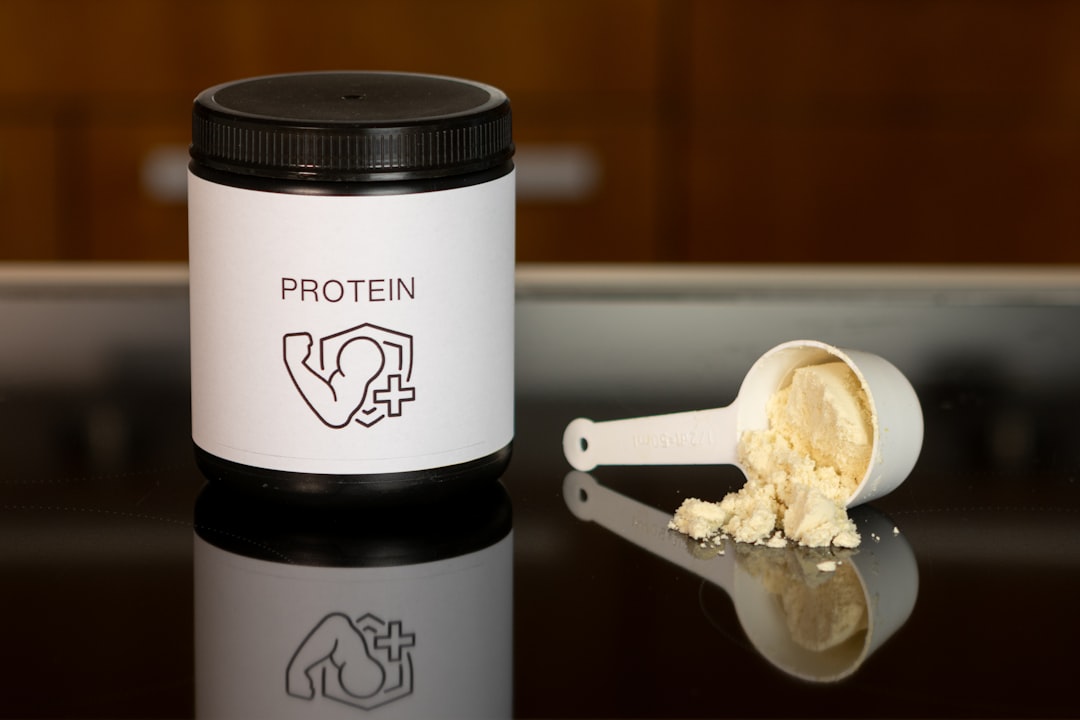
Are Protein Supplements Really Necessary for Distance Runners?
Protein is important for distance runners, but protein supplements are not a must-have.

Dr. Stacy Sims has spent 20 years dismantling the assumption that female runners can fuel like men. Here are her five clearest contradictions of standard marathon nutrition advice.

For most of the last four decades, sports nutrition science was built on male subjects.
The recommendations that flow through marathon training plans, running magazines, and coach handouts have largely been designed around male physiology and then adapted, often poorly, for women.
Dr. Stacy Sims, the physiologist and nutrition scientist behind the book Roar, has spent 20 years pushing back against that gap.
Her central thesis is captured in one line she is now famous for: women are not small men.
Below are five of her clearest contradictions of standard marathon fuelling advice, drawn from her published work, her podcast appearances, and the peer-reviewed research she cites.
The single most common piece of nutrition advice given to female runners chasing a race weight goal is to run first thing in the morning on an empty stomach.
Sims is unambiguous that fasted training for female athletes is a mistake.
The rationale that gets used, that fasted running improves fat oxidation, was drawn from male-subject studies.
Female physiology already preferentially uses fat as a fuel source during exercise.
A small pre-run intake of protein and carbohydrate, roughly 15 grams of protein plus 30 grams of carbohydrate, taken before a training session.
That combination stabilises blood sugar, blunts the morning cortisol spike, and preserves lean muscle.
A protein-coffee shake, a slice of toast with nut butter, or Greek yogurt with a small piece of fruit all fit the profile.
This is a genuinely different starting point from most marathon plans.
Standard marathon nutrition plans still push a rough daily carbohydrate target across every day of the week.
Sims argues that female runners are better served by concentrating carbohydrates around training, and building the rest of the day around whole foods with protein.
The mechanism is straightforward. Female bodies use carbohydrate very differently around the menstrual cycle, and blanket daily targets miss the sensitivity.
For extreme-intensity training of five hours or more, Sims recommends six to seven grams of carbohydrate per kilogram of bodyweight on the day.
For lower-intensity days, the number drops sharply.
This variable-carb approach is at the core of her published guidance, and it lines up with the pattern seen in our breakdown of 10 essential nutrition rules for marathon training.
The standard post-run protein guidance for the last 20 years has been 20 to 25 grams within an hour.
Sims says that number is too low for women, and the window matters far more than most runners appreciate.
Her published recommendation is 35 grams of high-quality protein within 45 minutes of finishing a hard session for women in their reproductive years.
For women over 50 dealing with anabolic resistance, that number climbs to 40 to 60 grams.
Whole-food sources, first and always.
Greek yogurt, eggs, poultry, fish, and legumes deliver the amino acid profile that supports muscle repair.
For runners who cannot hit those targets from food alone, Sims points to whey isolate as a defensible supplement.
She specifically flags soy as a food to avoid for female athletes, and recommends pea protein isolate for those following plant-based patterns.

Female runners lose iron through menstruation, sweating, and the mechanical impact of foot strikes on capillaries.
Iron deficiency is significantly more common in female runners than in male runners at the same training volume.
Sims stresses that iron problems in women over 35 often reflect poor absorption linked to inflammation, not simple low intake.
Supplementing without addressing the absorption issue is largely wasted effort.
Standard hydration guidance recommends a fixed sodium intake for endurance events.
Sims points out that female sodium losses vary significantly across the menstrual cycle.
In the high-hormone phase, women lose more total-body sodium during exercise, which changes hydration needs.
Iron and sodium are two variables that most male-designed marathon plans get badly wrong for female runners, alongside the underlying carbohydrate demand covered in our guide to the 12 best carb-rich foods for runners.
This is the most important point on the list.
Standard marathon advice, particularly when it comes to weight loss, still implicitly encourages a small daily caloric deficit.
Sims is one of the loudest voices arguing that this pattern is the single biggest hidden cause of injury and performance loss in female runners.
Chronic mild under-fueling produces Relative Energy Deficiency in Sport (RED-S), a syndrome now recognised as compromising bone health, hormonal function, immunity, and cardiovascular health.
A 2026 cross-sectional PMC study on female endurance athletes confirmed that low energy availability is prevalent in this population and directly linked to compromised bone and hormonal profiles.
For any female runner reading this, Sims’ position leads to one blunt self-check.
Are the daily calories genuinely meeting daily expenditure, or is a slight, quiet, week-after-week deficit hiding in the training log?
If the answer is unclear, the honest move is to track intake for a week and compare it to the demand of the actual training schedule.
Most female runners in the risk group are eating 300 to 600 calories a day less than they need without realising it.
Discover the authentic training methods of Kenyan runners and start improving your running faster than you ever thought possible.
Learn More About The Method →Limited-time reader discount available
Dr. Stacy Sims does not argue that men and women should fuel identically differently for the sake of it.
She argues that the entire framework of endurance nutrition was built without female physiology in mind, and that female runners have been paying the price for decades.
Her five clearest contradictions, taken together, form a simple test.
Any marathon nutrition plan that recommends fasted training, blanket daily carbohydrate targets, low protein intake, ignoring sodium and iron across the cycle, or a caloric deficit for weight loss is a plan built for a male body.
Female runners deserve a plan built for theirs.
Sims has provided the framework, and the peer-reviewed evidence continues to catch up with it.
Start your running journey today!
No spam. Cancel anytime.