Are Protein Supplements Really Necessary for Distance Runners?
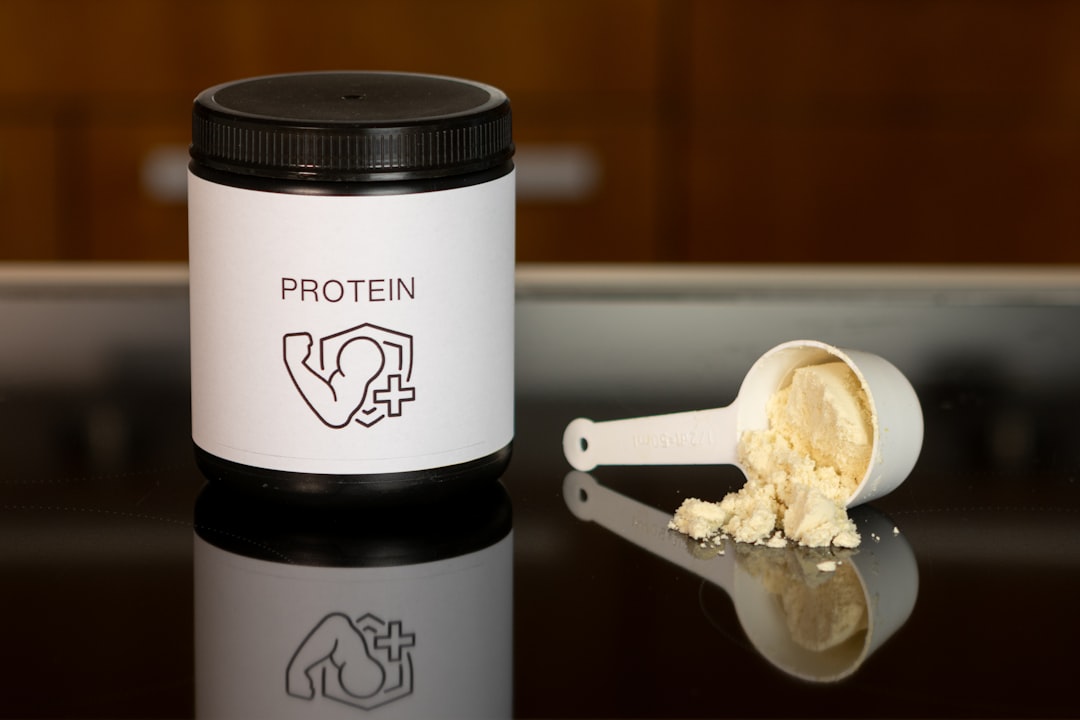
Protein is important for distance runners, but protein supplements are not a must-have.

Runners are adding protein to everything. Sports nutritionists say the missing nutrient in most training plans is carbs, and the pace numbers show it.

Runners are eating more protein than ever and getting slower for it.
The reason is boring and specific: they are under-eating carbohydrates, the fuel their training actually runs on.
Most runners need somewhere between 2.5 and 4.5 grams of carbohydrate per pound of body weight per day.
Almost nobody chasing high-protein diet culture hits the bottom of that range, let alone the top.
Protein-maxxing is the current wellness trend of stacking protein into every meal and snack.
It is not evil, just misdirected for the specific job of running fast.
Walk down any grocery aisle and count how many products have added protein: cottage cheese, ice cream, cereal, cookies, iced coffee, pizza crust, chocolate bars.
Even fast-food chains list gram counts on the menu.
The pitch is intuitive: protein builds muscle, muscle is good.
Therefore, more protein means more muscle, more speed, and more performance.
That logic works inside a narrow range and completely breaks outside it.
Muscle protein synthesis has a ceiling, and anything past it is either converted to energy or excreted.
Most active adults need somewhere around 0.7 to 1 gram of protein per pound of body weight, spread across the day. Runners at high volume can sit at the upper end.
Above that, extra grams do not build extra performance. They just displace other food.
Your muscles run on glycogen, a stored form of carbohydrate.
Deplete glycogen, and every metric that matters to a runner deteriorates.
You will notice it first as heavy legs on interval day, then as an inability to hold pace in the last 5K of a long run.
Eventually it shows up as poor sleep and a resting heart rate that will not come down.
Reduced power output on tempo runs, and difficulty pushing intensity even on fresh legs.
Faster than expected fatigue in the final third of a workout.
Difficulty sustaining weekly volume without small pains flaring up.
leep that feels shallow, and mood that dips in the afternoon.
None of these signals is dramatic. All of them are correctable within a week if you actually increase carbohydrate intake around your training.
When carb intake stays low for long enough, the body begins to reroute protein toward energy production.
Amino acids that were supposed to repair muscle end up burned as fuel instead.
The end result is the opposite of what the protein-maxxer intended. Lean muscle mass drops, recovery slows, and strength falls off before speed does.
This is one of the ways high protein plus low carb can make you weaker over months, despite hitting your daily protein target.
Sports nutrition research consistently points to a range of 2.5 to 4.5 grams of carbohydrate per pound of body weight per day for runners in active training.
A 150-pound runner in the middle of a marathon block sits at the top of that range.
On an easy week or in the off-season, the bottom end covers it.
Those grams do not have to come from cakes and sports drinks.
Oats, brown rice, potatoes, sweet potatoes, lentils, beans, whole-grain bread, bananas, and dates all do the same job.
The Cleveland Clinic's overview of carbohydrates is a good primer on why carbs are the body's preferred fuel source in the first place.
For a deeper look at how to actually apply this on training days, our guide on how to fuel your long runs with real food has the practical setups.
The picture most people carry of a carb-heavy day is spaghetti and pancakes. Real runner nutrition is more spread out and less dramatic.

Breakfast: oats with milk, banana, honey, and a small handful of berries.
Roughly 90 to 100 grams of carbs.
Lunch: rice bowl with grilled chicken or tofu, roasted vegetables, and beans.
Around 100 grams of carbs and 30 to 40 grams of protein in one meal.
Snack: Greek yogurt with granola and fruit. Another 40 to 50 grams of carbs and a smaller hit of protein.
Dinner: pasta or potatoes with a lean protein and vegetables, worth another 100 grams of carbs.
Total for the day sits comfortably inside the recommended range without ever feeling excessive.
For a more detailed pantry list, our roundup of the 12 best carb-rich foods for runners covers exactly what to keep in the kitchen.
The bigger danger with pushing protein up and pushing carbs down is not slow times. It is relative energy deficiency in sport, or REDs.
REDs shows up when total energy availability falls below what your body needs to run its background systems.
Hormones drop and bone density drops.
Injury risk climbs, and menstrual cycles are often the first canary.
Runners tracking macros aggressively are among the highest-risk groups for slipping into it accidentally. Cutting carbs to hit a lean-look target is one of the fastest paths in.
A large-scale review published in the National Library of Medicine walks through the mechanisms and downstream effects in detail.
Protein still matters. Aim for it, but do not obsess over it.
The runners who negative-split their races are the ones who ate enough carbs to actually train hard. That is the boring truth the wellness feed is not selling.
Skip the espresso proteini. Have a bowl of oatmeal instead.
Start your running journey today!
No spam. Cancel anytime.