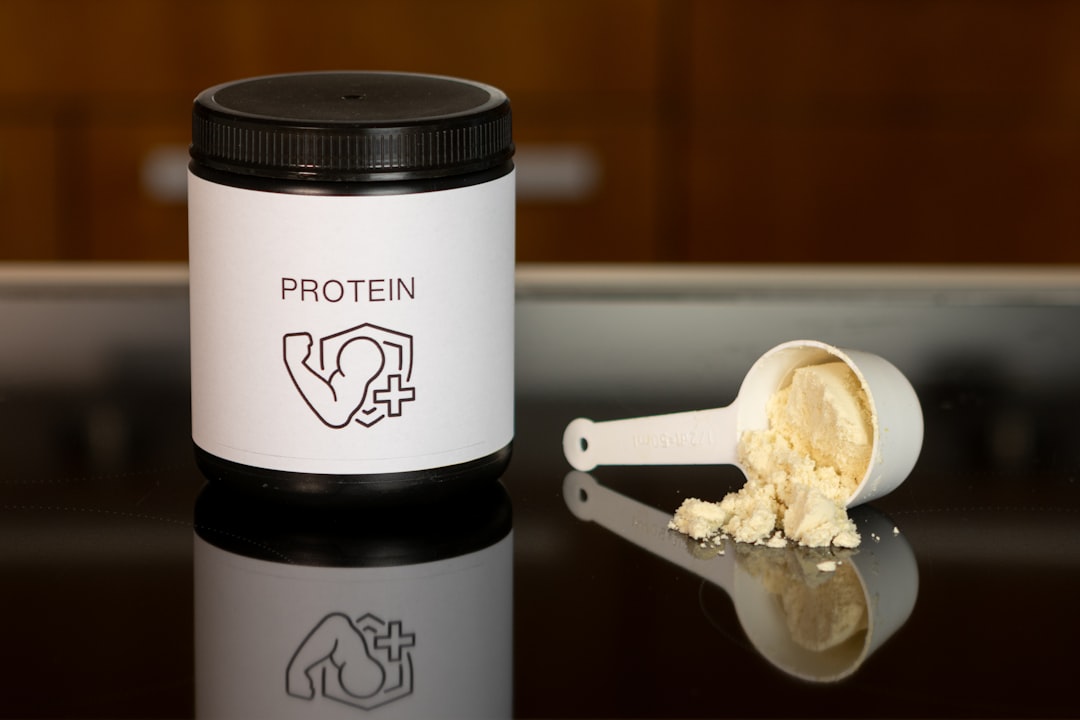
Protein is important for distance runners, but protein supplements are not a must-have.
Protein shakes, powders and recovery drinks have become a familiar sight in the running world. But while protein is undeniably important for your muscle repair and recovery, more protein doesn’t automatically mean better performance, and supplements aren’t necessarily essential for every distance runner.
Why Distance Runners Need Protein in the First Place
Distance running places repeated stress on muscles, tendons and other tissues. Protein provides amino acids that help the body repair and adapt after training, making it an important part of a runner’s overall nutrition strategy.
Protein also becomes equally relevant when training volume increases. Long runs, back-to-back training days, hill sessions and strength work can all increase recovery demands.
Muscle recovery matters, even if running doesn’t require large amounts of muscle mass. Consuming enough protein supports the repair processes that help runners adapt to repeated training stress.
Protein is vital for bodybuilders and distance runners. Its primary role is helping the body recover well enough to train consistently.
However, high-protein snacks before a run can make you feel heavy and sluggish because they are more difficult to digest. This is why you should prioritize protein after your sessions.
Your Needs May Increase During Heavy Training
A runner completing a few easy miles each week will have different needs from someone preparing for a marathon or ultramarathon. Higher training volumes and additional strength sessions can make adequate protein intake more important.
A runner who eats regular, balanced meals and consumes enough total calories may have little difficulty meeting their protein requirements without ever opening a tub of protein powder.
Whole-food protein sources often provide other valuable nutrients, too.
Dairy products may provide calcium, beans contain fiber and foods such as fish, eggs and tofu can contribute various vitamins and minerals.
These carry increased nutrient density in addition to providing a protein boost.
A breakfast containing yogurt and oats, a lunch with chicken or tofu and a dinner built around beans, fish or another protein source can quickly add up. Snacks can also contribute.
When Are Protein Supplements Useful?
Protein supplements are best viewed as a convenience tool rather than a nutritional requirement.
They can be particularly helpful when preparing a high-protein meal is impractical or when appetite is low after a difficult training session.
When You Need Something Quick
A shake can be useful after a long run when a runner needs something quick and portable.
This may be particularly valuable for athletes who train before work, travel frequently or have a short window between finishing one session and starting the rest of their day.
When Meeting Your Needs Through Food Is Difficult
Supplements may also help runners who struggle to eat enough food overall.
Vegetarian and vegan runners can meet their needs with whole foods, but a plant-based protein powder may occasionally make it easier to hit a higher intake target.
Focus on More Than Protein
Protein is important, but carbohydrates are often the more immediate nutritional priority after demanding endurance exercise.
Running depletes glycogen stores, and replenishing them is essential for recovery and preparation for the next training session.
Most runners need up to 4.5 grams of carbs per pound of body weight per day. While protein matters, healthy fats and other nutrients create a more rounded picture.
Recovery Requires Several Macronutrients
A post-run protein shake alone may not be the ideal recovery meal. Pairing protein with carbohydrates can provide a more complete approach, particularly after a long or intense run.
Think fruit and yogurt. Or consider a smoothie with protein powder, milk and a banana.
The goal isn’t to consume as much protein as possible. It’s to give the body the range of nutrients it needs to recover.
Dose Protein Correctly
There’s a tendency in fitness culture to treat protein as a magic ingredient. However, once a runner consistently meets their needs, adding increasingly large amounts of protein is unlikely to yield proportionally greater results.
Remember the Other Nutrients
Very high protein intake can crowd out other important foods. A runner who fills up on protein bars and shakes may end up consuming too few carbohydrates, fruits, vegetables and healthy fats.
Distance running is an energy-intensive sport. Adequate total nutrition matters just as much as any single macronutrient.
The Growing Demand for Sports Nutrition Products
The popularity of protein supplements is part of a much larger wellness trend. The global nutraceuticals market was expected to reach $591.1 billion in 2024, driven mainly by rising consumer demand for natural, health-enhancing products.
That demand has helped create an enormous range of powders, drinks, bars and other products marketed toward active consumers.
But a growing market doesn’t mean every product is necessary, and runners should remain wary of confusing convenience with necessity.
What Should Distance Runners Look for in a Protein Supplement?
If you decide a supplement fits your routine, simplicity is often a good place to start. Look for a product that provides a useful amount of protein without excessive added sugar or a long list of unnecessary ingredients.
Choose a Protein That Works for You
The type of protein matters less than whether it works for your dietary preferences and digestion.
Whey is a popular option, while soy, pea and blended proteins can be useful alternatives for those avoiding dairy or following a plant-based diet.
If you have a sensitive tummy, a protein powder with fewer additives and simple ingredients can be easier to digest. Taste and convenience matter too.
The best supplement is ultimately one you can use consistently. It should genuinely make your nutrition easier.
The Finish Line Beyond a Shaker Bottle
Protein supplements can be useful for distance runners, but they’re not always necessary.
A balanced diet can provide the protein and other nutrients needed to support training, recovery and performance, while supplements offer a convenient solution when time, appetite or lifestyle make whole-food meals more difficult.