Female runners are injured at roughly twice the rate of male runners. The two numbers that predict most of that gap are ferritin and cycle-phase estrogen, not training volume.
The injury gap between male and female runners is real and it is wide.
Stress fractures, running-related tendinopathies, and soft tissue injuries all show up more frequently in women who train at the same volume as men.
The common advice for female runners has been: do less.
That is not the fix.
The two numbers that predict most of the gap are ferritin and cycle-phase estrogen.
Once female runners test both and train around them, injury rates drop toward the male baseline.
Number One: Ferritin, Not Just Hemoglobin
Iron deficiency in female runners is common, and standard blood tests often miss it.
A hemoglobin test can look normal while ferritin, the storage form of iron, is depleted.
The threshold that matters for endurance athletes is roughly 30 ng/mL.
Below that, oxygen delivery to working muscle degrades.
Recovery slows. Perceived effort at a given pace climbs.
Under-recovery is the primary driver of running injuries. The tissue does not get the resources to rebuild between sessions.
Why Most Female Runners Are Undiagnosed
Menstruation creates monthly iron loss that male athletes never have to account for.
Estrogen fluctuates predictably across the menstrual cycle.
In the late follicular phase, roughly days 10 to 14 for a 28-day cycle, estrogen peaks.
High-estrogen days come with increased ligament laxity, which measurably raises the risk of ACL injuries, ankle rolls, and soft tissue tears.
This is not theoretical. It has been documented across multiple sports.
What This Means for Training
Female runners who track their cycle can plan technical or speed workouts around it.
The late follicular window is a bad time to run a hard trail race with sharp turns.
It is a good time for steady-state aerobic work on smooth terrain.
The luteal phase, after ovulation, brings different challenges: higher core body temperature, harder heat regulation, and often reduced carbohydrate tolerance during hard efforts.
The short version: female athletes need more fuel earlier in workouts, more protein in the 30 minutes after training, and a fundamentally different approach to fasted running.
The Two Tests Every Female Runner Over 25 Should Get
Get a full iron panel including ferritin, not just hemoglobin. Repeat annually if healthy, quarterly if training for a marathon.
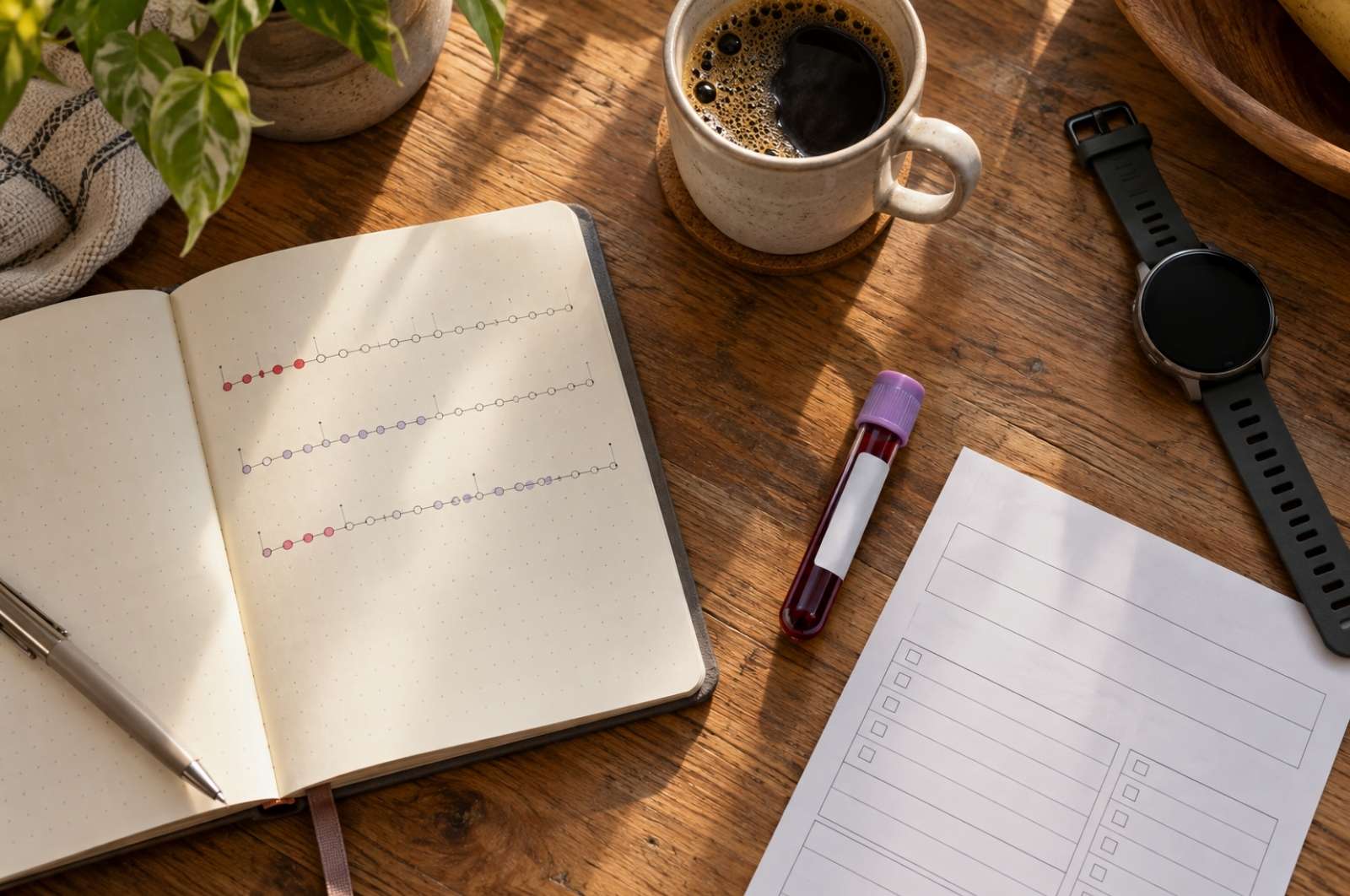
Track menstrual cycle phase alongside training. Free apps do this, but a paper log works fine.
Neither test costs much. Together they explain more of the injury gap than any single training variable.
Learn the Training Secrets of Kenyan Runners
Discover the authentic training methods of Kenyan runners and start improving your running faster than you ever thought possible.
A simple 25-hydroxyvitamin D blood test costs almost nothing and identifies the deficiency.
Combined with iron and cycle tracking, three cheap numbers explain most of the injury gap between male and female runners.
What A Testing Schedule Actually Looks Like
Full iron panel including ferritin, annually if healthy, quarterly during marathon training.
Vitamin D, annually, ideally at the end of winter when levels tend to bottom out.
Menstrual cycle tracking, ongoing.
None of these require a specialist. A general practitioner can order all of them in one appointment.
The Fueling Layer That Sits Underneath Everything
Iron, vitamin D, and estrogen all require adequate energy intake to work correctly.
Under-fueled female runners, whether by accident or design, produce hormonal cascades that suppress reproductive function, weaken bones, and increase every injury metric.
The condition has a name: Relative Energy Deficiency in Sport, or RED-S.
Missed or irregular periods are the flagship symptom, but stress fractures, low mood, poor sleep, and constant illness are common accompaniments.