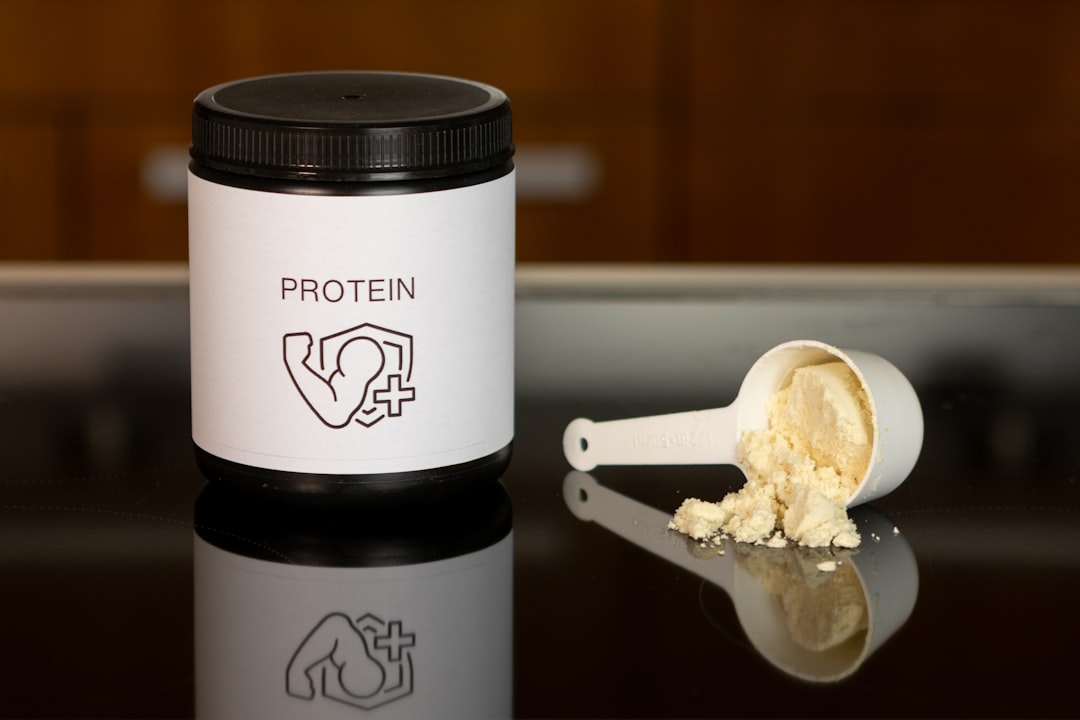
Are Protein Supplements Really Necessary for Distance Runners?
Protein is important for distance runners, but protein supplements are not a must-have.

Elite marathoners now take 90 to 120 grams of carbs per hour. Here is the research behind it, the GI trade-off, and what recreational runners should actually do.

For three decades, marathon fuelling advice sounded the same. Thirty to sixty grams of carbs per hour. More than that and the stomach rebels.
That number is now outdated. Elite marathoners routinely take 90 grams per hour.
Some are experimenting with 120. And new research suggests the body can genuinely use it.
The question is no longer whether to fuel bigger. It is how much is right for you, and how to train the gut to tolerate it.
A recent study tested eight elite male marathoners under three fuelling conditions during 2-hour treadmill runs: 60, 90, and 120 grams of carbs per hour.
The headline finding: at 120 grams per hour, oxygen cost at marathon pace dropped by 2.6 percent compared to 60 grams per hour.
For a 2:10 marathoner, that efficiency gain translates to measurable time off a personal best.
For a 3:30 marathoner, the arithmetic is less clean but the direction is the same.
The study also found the obvious catch. Every runner reported at least one moderate or severe GI symptom in every condition, but severity and frequency were highest at 120 grams per hour.
More fuel is not free. The gut has limits, and pushing those limits without training first ends in a very specific race-day disaster.
The 60 gram ceiling came from research on single-source carbohydrates, usually glucose or maltodextrin. The limiting factor was intestinal transporter saturation.
The SGLT1 transporter that moves glucose from gut to bloodstream maxes out around 60 grams per hour.
The breakthrough was mixing carbohydrate sources.
Fructose uses a different transporter (GLUT5), which runs in parallel. A glucose plus fructose blend at roughly a 2:1 ratio clears the 60 gram ceiling cleanly.
This is why modern sports drinks and gels list two carbohydrate sources, not one.
Read the label on any high-carb gel sold in 2026 and the mix is deliberate.
The target is 90 to 120 grams per hour, assuming months of gut training.
The efficiency gains are real, the research is strong, and the top of the sport has already shifted.
The target is 60 to 90 grams per hour. This is the sweet spot where performance improvement is substantial and GI distress stays manageable with proper training.
Start at 30 to 60 grams per hour. The priority is finishing without a GI disaster, not optimising a time.
More can be added once the first marathon is in the bank.
Below 90 minutes of continuous running, glycogen stores alone can usually carry the effort.
A single gel at the start or around the hour mark is enough.

Hitting 90 grams per hour is harder than it sounds. Most standard gels contain 20 to 25 grams of carbs each. That is 3 to 4 gels per hour, which is a lot of packets, a lot of water, and a lot of chewing while trying to breathe.
For a deeper breakdown on specific products, see our guide to the best energy gels for runners.
The number on the plan is useless if the gut cannot process it. Jumping from 40 grams per hour to 90 grams per hour the week before a race is a near-guarantee of a GI meltdown somewhere between mile 15 and mile 20.
The gut adapts the way the muscles do, through progressive overload. Start where you currently fuel.
Add 10 grams per hour on every third long run. By week 12 of a build, 90 grams should feel routine.
This is covered in detail in our guide to fluids, carbs, and salt in a marathon.

Discover the authentic training methods of Kenyan runners and start improving your running faster than you ever thought possible.
Learn More About The Method →Limited-time reader discount available
For a 3:30 to 4:30 marathoner who has done basic gut training:
Running the numbers, this clears 80 to 95 grams per hour for a 4-hour finisher.
The old 60 gram ceiling was never a physiological limit. It was a product limitation that stopped being true a decade ago.
Elite marathoners already know this. Recreational runners are catching up.
The authoritative sports science literature now supports 90 to 120 grams per hour as the frontier of what the trained gut can process (see the NIH analysis of exogenous carbohydrate ingestion).
The constraint is no longer physiology. It is training the gut to meet it.
Start your running journey today!
No spam. Cancel anytime.