Download our Free 8-Week Plan here →

The Perfect Runner's Daily Diet

Written by 
Matteo Sargenti

Published on January 2, 2025

Discover practical tips and a sample meal plan to optimize your performance and enjoy your food along the way.

The Perfect Runner's Daily Diet

Every runner dreams of peak performance, and a well-rounded diet plays a crucial role in achieving that goal. While it may seem overwhelming, maintaining a nutritious and balanced eating plan is simpler than you think. With a little planning, you can fuel your runs and improve your overall fitness effectively.

Why Nutrition Matters for Runners

As a runner, you likely focus on training, gear, and recovery.

But your diet is just as important in achieving peak performance. A proper nutritional plan can enhance endurance, speed, and recovery, making it an essential part of your training.

A balanced runner's diet generally includes:

  • Carbohydrates (around 60%): The primary energy source for endurance.
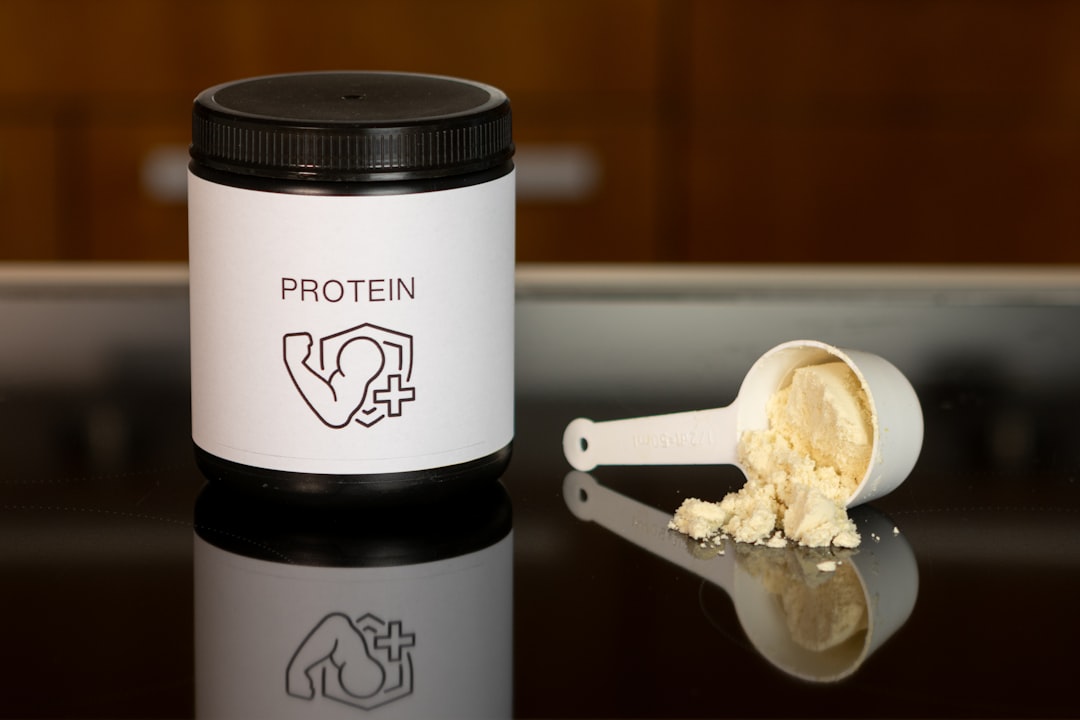
  • Protein (around 20%): Helps repair and build muscles.
  • Healthy fats: Support overall health and energy.
  • Fruits and vegetables: Provide essential vitamins, minerals, and fiber, here you can find the best fruits for runners.

Sample Meal Ideas for Runners

__wf_reserved_inherit

Breakfast: Start Strong

Begin your day with energy-boosting meals like:

  • Oatmeal topped with fresh fruit or honey.
  • A bagel with peanut butter or low-fat jam.
  • Muesli with seeds or nuts.
  • Whole grain toast with a boiled egg.
  • Fresh berries with low-fat yogurt.

A cup of coffee can also enhance your focus, improve fat-burning, and aid in recovery.

Avoid monotony by varying your breakfast choices to keep things interesting and enjoyable.

Lunch: Add Protein to the Mix

Midday meals are an excellent time to incorporate protein:

  • Salads with beans, lentils, or cottage cheese.
  • Sandwiches with lean meats, fish, or hummus, paired with fresh veggies.
  • Soup enriched with seeds or beans, served with whole grain toast.
  • Brown rice or noodle salads with your choice of protein and vegetables.

Experiment with different ingredients, such as beetroot or celery, to keep your meals exciting and flavorful.

In this article you can find some high-protein snacks ideas for your diet.

Dinner: Balance Carbs and Protein

For dinner, combine protein-rich options with a variety of carbs:

  • Grilled fish or chicken with roasted vegetables and quinoa.
  • Pasta or couscous dishes paired with lean meats and colorful veggies.
  • Lentil or chickpea curries with brown rice or whole grain bread.

Keep it simple yet flavorful by incorporating herbs, spices, or light sauces.

End your meal with fresh fruit, low-fat yogurt, or a small piece of dark chocolate for a satisfying dessert.

Snacks: Fuel Between Meals

Healthy snacks are essential to maintain energy levels:

  • Homemade smoothies with fruit, yogurt, and seeds.
  • Rice cakes or oatcakes with hummus or peanut butter.
  • Fresh or dried fruits, nuts, and seeds.
  • Vegetable sticks with a light dip.

Tips for Success

  1. Variety is key: Rotate your meals and snacks to avoid monotony.
  2. Experiment with recipes: Try new ingredients and cooking methods.
  3. Listen to your body: Adjust your intake based on your energy needs and training intensity.

Conclusion

A well-planned diet is a powerful tool for any runner. By prioritizing balanced nutrition, experimenting with new meals, and staying consistent, you’ll not only fuel your runs but also enhance your overall health and fitness.

Remember, the goal is to enjoy your food while optimizing your performance.

Start making small, sustainable changes today, and watch your running improve mile by mile.

Join The Conversation

You Might Also Like

Dr. Stacy Sims Says Runners Are Fueling Wrong: 5 Rules That Contradict Standard Marathon Advice

Dr. Stacy Sims Says Runners Are Fueling Wrong: 5 Rules That Contradict Standard Marathon Advice

Dr. Stacy Sims has spent 20 years dismantling the assumption that female runners can fuel like men. Here are her five clearest contradictions of standard marathon nutrition advice.

Runners Are Chasing Protein. Sports Nutritionists Say It Is Quietly Making Them Slower.

Runners Are Chasing Protein. Sports Nutritionists Say It Is Quietly Making Them Slower.

Runners are adding protein to everything. Sports nutritionists say the missing nutrient in most training plans is carbs, and the pace numbers show it.

Why Coconut Water Should Be Your Go-To Drink for Exercise and Health

Why Coconut Water Should Be Your Go-To Drink for Exercise and Health

You finish a long run soaked in sweat, legs heavy, and reach for something to drink. Most runners default to plain water or a neon sports drink loaded with sugar but…

What to Eat Before a Half Marathon for Your Best Race Ever

What to Eat Before a Half Marathon for Your Best Race Ever

Learn exactly what to eat before a half marathon, from race week to the start line, with a simple fueling and hydration plan to help you run.

Runner’s Diet: How to Fuel Your Runs

Runner’s Diet: How to Fuel Your Runs

Learn what runners should eat to stay energized and recover faster: the right balance of carbs, protein, and fats, plus smart pre-run, during-run, and post-run fueling strategies to avoid bonking and GI issues.

Marathon Hydration, Solved: Exact Fluids, Carbs, and Sodium You Need on a Race Day

Marathon Hydration, Solved: Exact Fluids, Carbs, and Sodium You Need on a Race Day

Marathon hydration isn’t one-size-fits-all: Samuel Cheuvront’s approach is to start normally hydrated, drink to your sweat rate, keep carbs at 30–60 g/hour, and use sodium only when heat, duration, or salty sweat demands it.