He is the founder of The Running Week, a runner, and a lifelong sports enthusiast dedicated to sharing practical advice, inspiring stories, and evidence-based training tips.
The Sydney Marathon has more climbing than any other Abbott World Marathon Major. Here is the elevation data, the three climbs that decide it, and how to train.
The Harbour Bridge descent is the biggest drop on the Sydney Marathon course and it arrives at kilometre 2. Here is why it ruins races and how to pace it.
Peres Jepchirchir headlines the 2026 TCS Sydney Marathon women's field on August 30. Here is her record, the field behind her, and the course record in play.
Nineteen men entered for the 2026 TCS Sydney Marathon have run faster than the 2:06:06 course record. Here is the field, the names, and what the numbers mean.
Alphonce Simbu won Tanzania's first world athletics title by 0.03 seconds. On August 30 he makes his TCS Sydney Marathon debut. Here is the decade behind it.
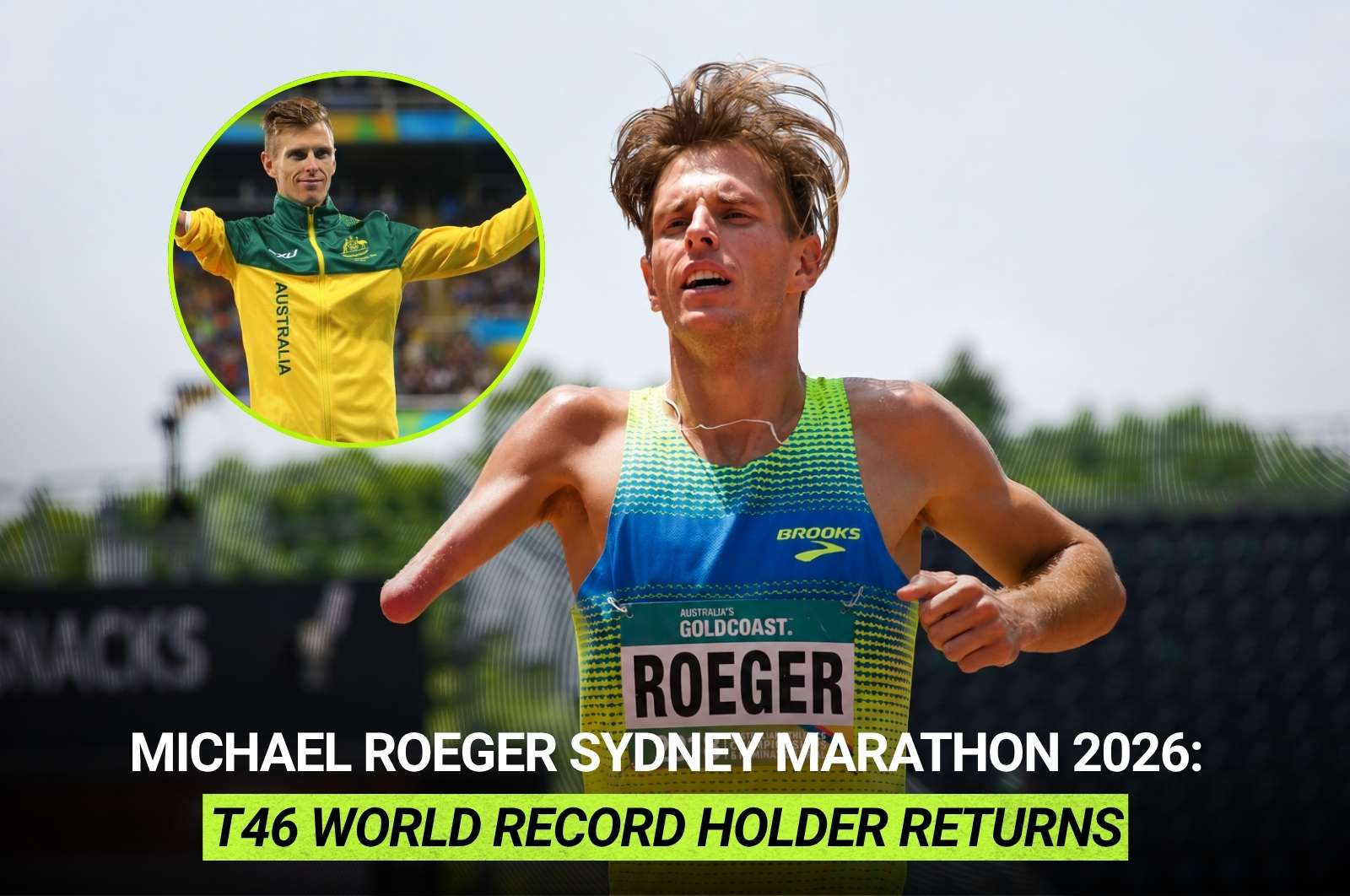
Michael Roeger holds the T46 marathon world record and lines up at the 2026 TCS Sydney Marathon on August 30. Here is the road that brought him there.
A day-by-day guide to the final two weeks before the 2026 TCS Sydney Marathon on August 30, covering taper, carb loading, bridge wind and the 6:30am start.
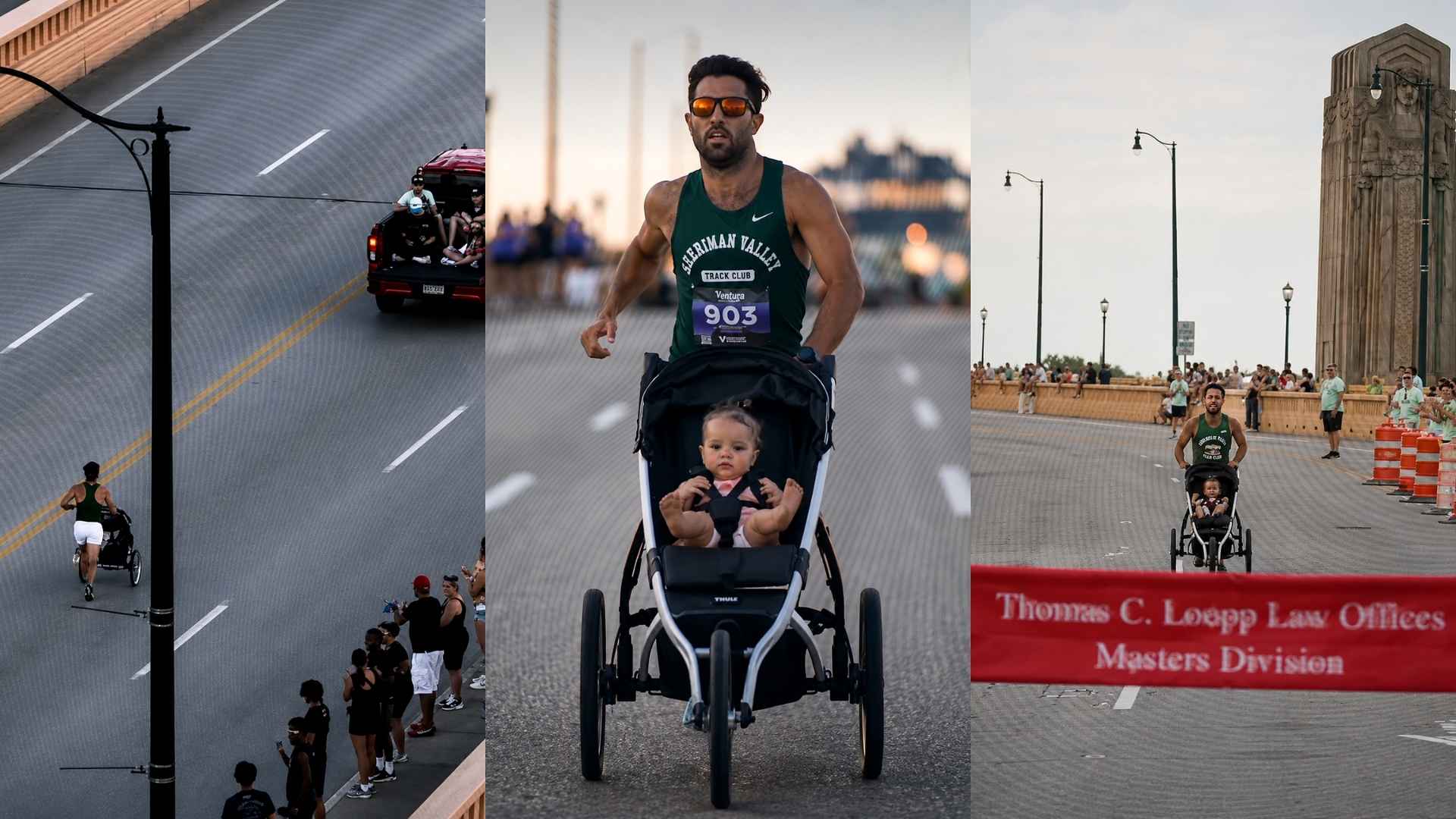
Former college miler Stephen Biebelhausen ran 4:17 with a baby stroller at the 2026 Guardian Mile in Cleveland, blowing past the previous mark of 4:26.29 and reopening a heated ratification debate.
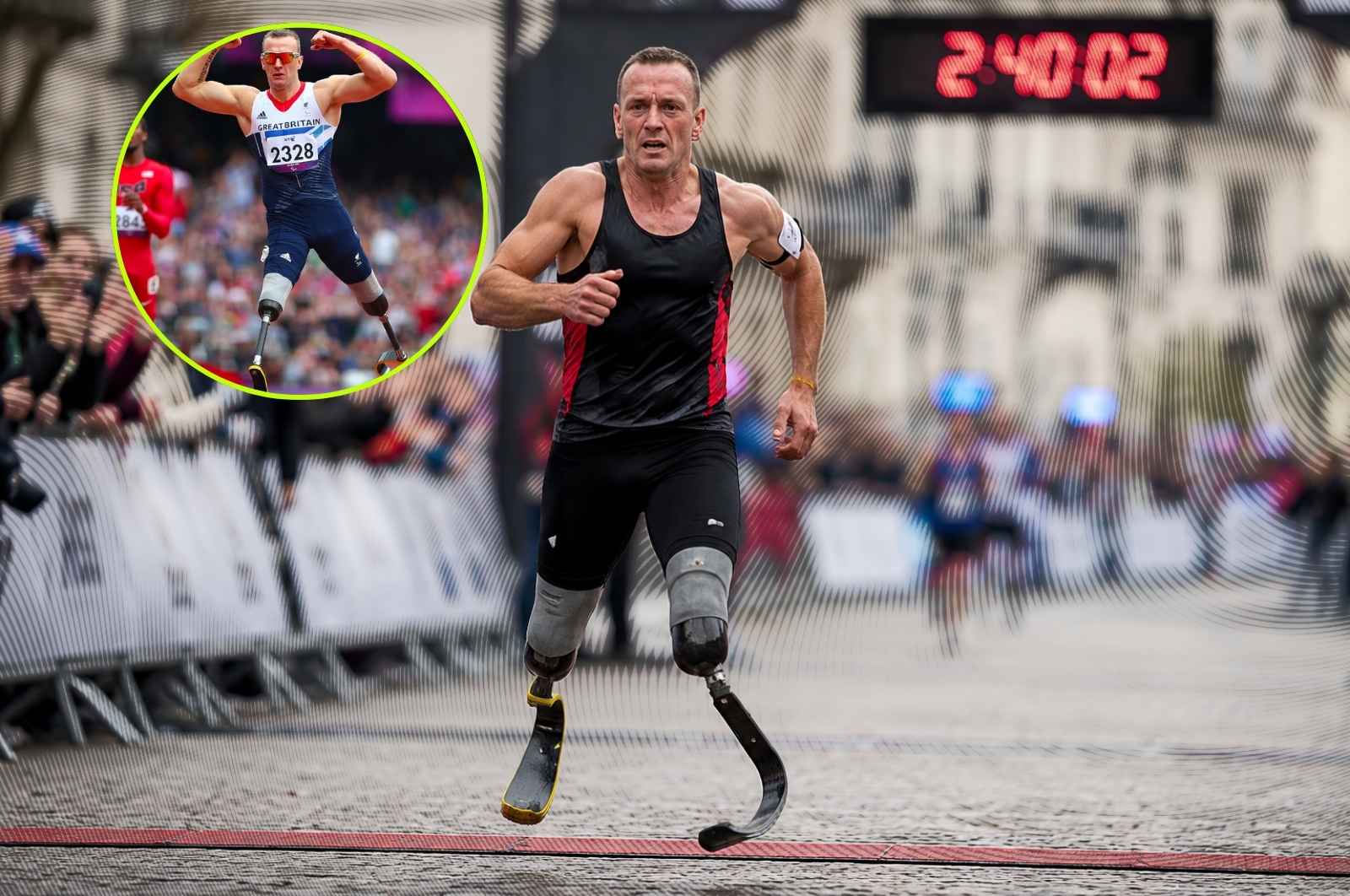
Richard Whitehead MBE ran 2:40:47 at the Wizz Air Milano Marathon to lower his own world record for athletes with bilateral knee amputations. Here is how he keeps doing it.
A 2025 Mayo Clinic Proceedings study of 3,889 adults found muscle power predicted mortality far better than muscle strength. It changes what runners should be training.
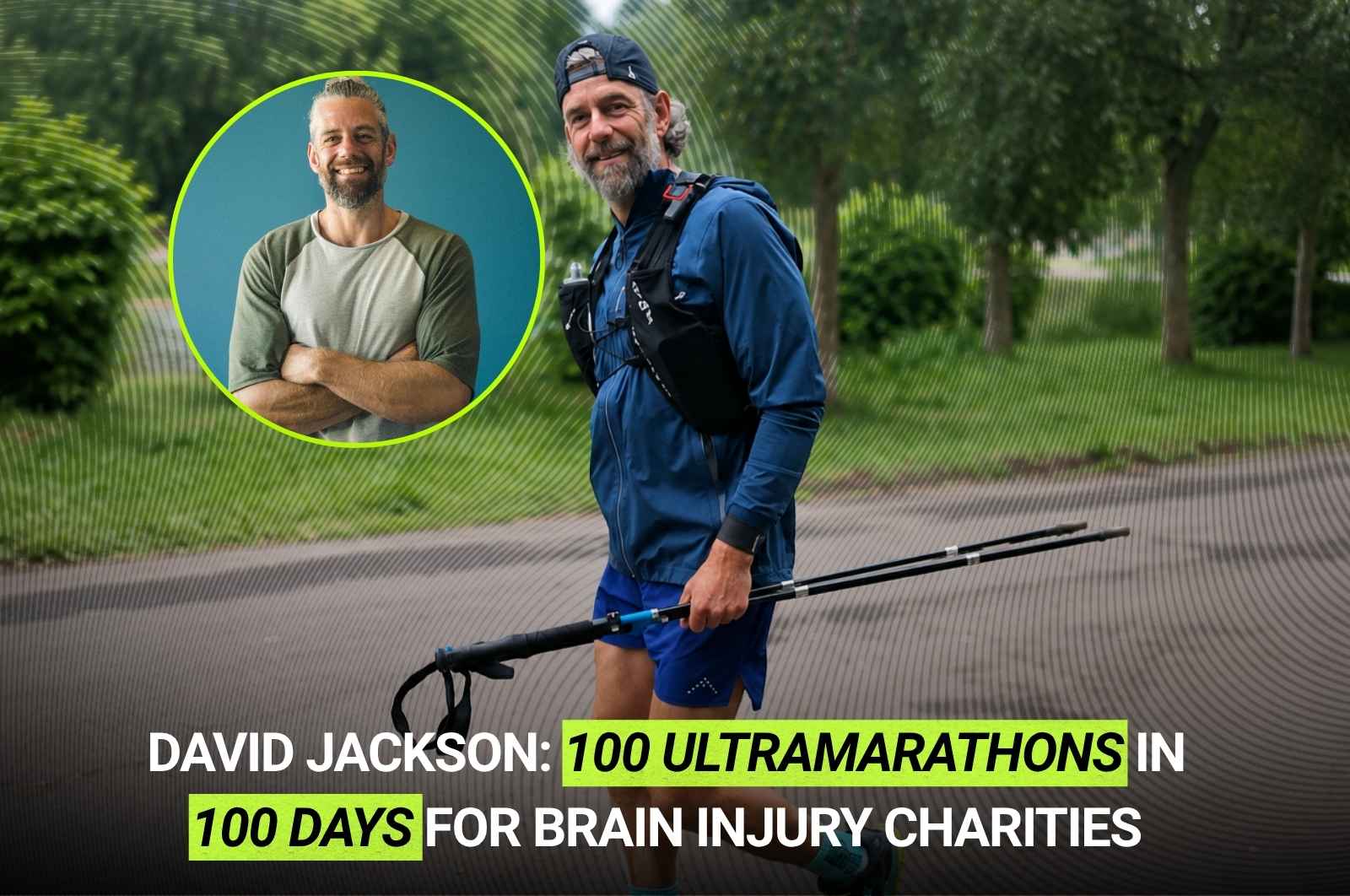
David "Jacko" Jackson, 44, a former Nottingham RFC winger whose career ended with a brain injury, is running 100 ultramarathons in 100 days. Bournemouth is his next stop.
A 2025 clinical study of women in perimenopause and postmenopause found a training change that outperformed extra mileage. Most running plans still miss it.